Share Market Explained: A Comprehensive Point-Wise GuideIntroduction to the Share Market
The share market, also known as the stock market or equity market, is a platform where shares of publicly listed companies are bought and sold. It acts as a bridge between companies that need capital to grow and investors who want to grow their wealth. By purchasing shares, investors become part-owners of a company and gain the right to benefit from its growth and profitability.
Meaning of Shares and Stocks
A share represents a unit of ownership in a company. When a company divides its ownership into small units and offers them to the public, these units are called shares. Stocks is a broader term often used to describe ownership in one or more companies. Holding shares allows investors to participate in the company’s success through price appreciation and dividends.
Purpose of the Share Market
The main purpose of the share market is capital formation. Companies raise funds to expand operations, invest in new projects, or reduce debt. For investors, the market provides opportunities to earn returns, beat inflation, and create long-term wealth. It also ensures transparency, price discovery, and liquidity in financial markets.
Primary Market and Secondary Market
The share market is divided into two segments:
Primary Market: Where companies issue shares for the first time through Initial Public Offerings (IPOs). Investors buy shares directly from the company.
Secondary Market: Where existing shares are traded among investors on stock exchanges. Prices here change based on demand and supply.
Role of Stock Exchanges
Stock exchanges like the NSE and BSE in India provide a regulated platform for trading shares. They ensure fair trading practices, transparency, and investor protection. Exchanges also help in price discovery by matching buyers and sellers efficiently using electronic systems.
Market Participants
Several participants operate in the share market:
Retail Investors: Individual investors trading with their personal funds.
Institutional Investors: Mutual funds, insurance companies, pension funds, and foreign investors.
Traders and Speculators: Participants who aim to profit from short-term price movements.
Brokers and Intermediaries: Entities that facilitate buying and selling of shares.
How Share Prices Are Determined
Share prices are determined by demand and supply. When more investors want to buy a stock than sell it, the price rises. When selling pressure increases, the price falls. Factors influencing prices include company performance, earnings, economic conditions, interest rates, global markets, and investor sentiment.
Types of Shares
Equity Shares: Represent ownership and voting rights. Returns depend on company performance.
Preference Shares: Offer fixed dividends and priority over equity shareholders but limited voting rights.
Equity shares are more common among retail investors due to higher growth potential.
Returns from the Share Market
Investors earn returns in two ways:
Capital Appreciation: Increase in share price over time.
Dividends: A portion of company profits distributed to shareholders.
Long-term investors mainly focus on capital appreciation, while income-oriented investors value dividends.
Investment vs Trading
Investing: Focuses on long-term wealth creation by holding quality stocks for years. It relies on fundamental analysis.
Trading: Focuses on short-term price movements, from minutes to weeks. It relies on technical analysis and market timing.
Both approaches require different mindsets and risk management strategies.
Fundamental Analysis
Fundamental analysis studies a company’s financial health, business model, management quality, and growth prospects. Key factors include revenue, profits, balance sheet strength, industry position, and economic outlook. Long-term investors use this to identify undervalued stocks.
Technical Analysis
Technical analysis focuses on price charts, volume, and indicators to predict future price movements. Traders use patterns, support-resistance levels, moving averages, and momentum indicators. It assumes that market prices reflect all available information.
Market Indices
Indices like NIFTY 50 and SENSEX represent the overall performance of the market. They track a basket of top companies and act as benchmarks for investors. Rising indices indicate bullish sentiment, while falling indices signal bearish conditions.
Risk in the Share Market
The share market involves risks such as price volatility, business risk, economic risk, and global uncertainties. Prices can fluctuate sharply in the short term. Understanding and managing risk is crucial for long-term survival and success.
Risk Management and Diversification
Diversification means investing across different sectors and companies to reduce risk. Proper position sizing, asset allocation, and use of stop-losses help protect capital. Successful investors focus more on risk control than on returns.
Role of Regulations
Regulatory bodies like SEBI in India protect investor interests, prevent fraud, and ensure fair market practices. Regulations promote transparency, disclosure, and accountability among listed companies and market participants.
Impact of Economic and Global Factors
Inflation, interest rates, government policies, geopolitical events, and global markets influence share prices. For example, rising interest rates may negatively affect equity markets, while economic growth usually supports higher stock prices.
Behavioral Aspects of the Share Market
Investor psychology plays a major role. Emotions like fear, greed, and overconfidence often lead to irrational decisions. Successful market participants develop discipline, patience, and a rule-based approach.
Long-Term Wealth Creation through the Share Market
Historically, equities have delivered higher returns compared to most asset classes over the long term. Compounding, when profits generate further profits, makes long-term investing powerful. Time in the market is more important than timing the market.
Conclusion
The share market is a vital part of the modern financial system. It offers opportunities for wealth creation, economic growth, and financial participation. While it involves risks, proper knowledge, discipline, and a long-term perspective can help investors benefit significantly. Understanding how the share market works is the first step toward making informed and confident financial decisions.
Trade Management
Candle PatternsWhy Candle Patterns Matter in Trading
Candlestick patterns matter because they provide:
1. Early trend reversal signals
Before a trend changes, buyers and sellers show hesitation, exhaustion, or aggression. Candles capture these emotions early.
2. Clarity of market sentiment
You can quickly understand whether bulls or bears are in control.
3. Entry and exit confirmation
Combined with chart patterns, market structure, and volume profile, candle patterns significantly improve precision.
4. Risk management
Certain patterns provide tight stop-loss areas—like wicks, rejection levels, and candle lows/highs.
5. Works across markets
Whether it’s stocks, forex, crypto, commodities, or index trading, candle patterns behave the same because human psychology is universal.
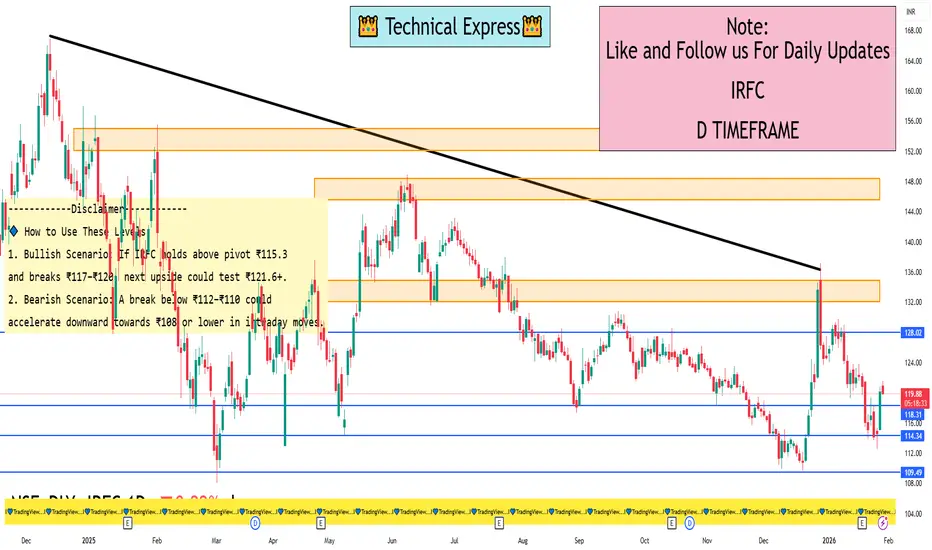
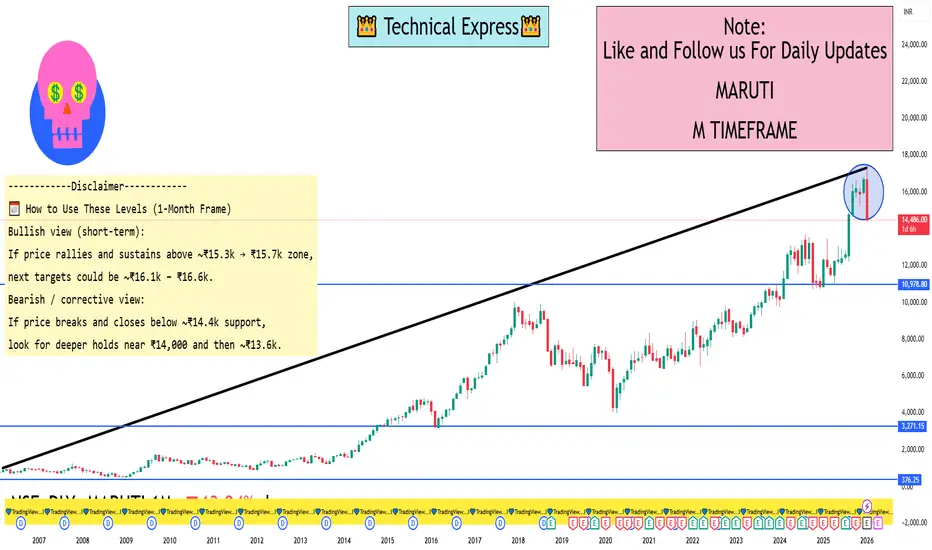
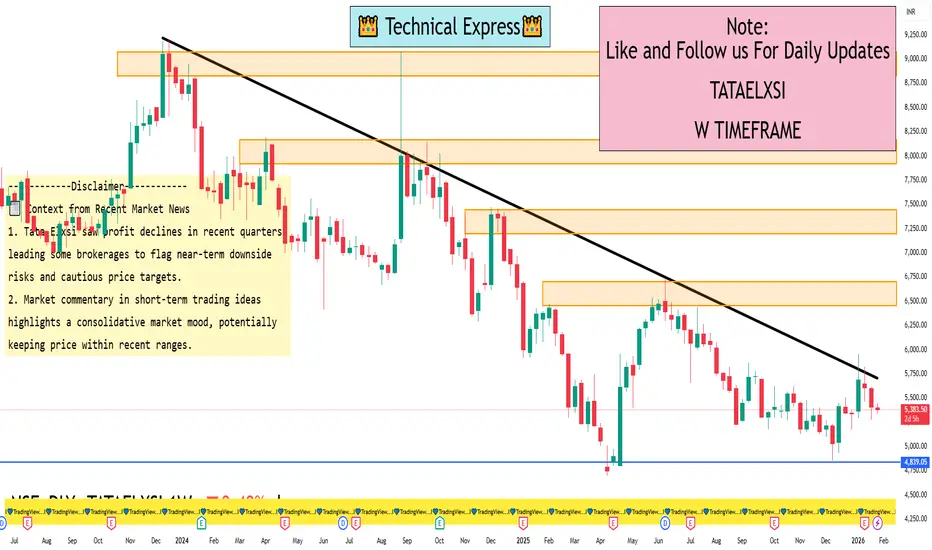
SJVN 1 Week Time Frame 📈 Current Price Context
SJVN is trading around ~₹73–₹83 recently (data varies by source/time — approximate current market level) with volatility around that band.
📌 Practical Weekly Trading Levels
Bullish Scenario (Price Structure)
Bullish threshold: Break & hold above ₹77–₹80 (weekly close)
Next upside zone: ₹83+ weekly resistance
Targets: ~₹83 → ₹88+ if bullish momentum continues
Bearish Scenario
Bearish invalidation: Failure below ₹69
Next lower supports: ~₹65, then ~₹62
Neutral / Range
Between ₹71–₹77 → consolidative range, price may oscillate with low conviction.
🧠 Summary (1-Week Bias)
Short-term bias: Neutral to slightly bearish — price stuck in range with sellers dominant if it stays under key zone ~₹77-₹80.
Bullish trigger: Weekly close above ¥80
Bearish trigger: Weekly close below ₹69-71
Turning Good Plans into High-Performance SystemsStrategy Optimization Guide:
Strategy optimization is the disciplined process of refining a plan, method, or system to achieve the best possible outcomes under real-world constraints. Whether applied to business, trading, investing, operations, or personal performance, optimization is not about finding a “perfect” strategy, but about continuously improving effectiveness, efficiency, and adaptability. In an environment defined by uncertainty, competition, and rapid change, optimized strategies are the difference between consistent success and repeated failure.
At its core, strategy optimization bridges the gap between theory and execution. Many strategies look powerful on paper, but only those that are stress-tested, measured, and refined over time survive in practice. This guide explains the principles, processes, and mindset required to optimize strategies in a sustainable and scalable way.
1. Understanding Strategy Optimization
Strategy optimization involves improving decision-making rules, resource allocation, timing, and risk controls to maximize desired objectives while minimizing unwanted outcomes. These objectives may include profitability, growth, stability, efficiency, or resilience. Optimization is iterative, meaning it evolves through repeated testing, learning, and adjustment.
Importantly, optimization is context-dependent. A strategy optimized for high-growth markets may fail in volatile or declining conditions. Therefore, optimization must always consider external factors such as market cycles, competition, regulation, technology, and human behavior.
2. Defining Clear Objectives
Every optimization effort begins with clarity. Without well-defined goals, optimization becomes directionless. Objectives should be specific, measurable, and realistic. For example, instead of aiming to “improve performance,” a better objective would be to “increase risk-adjusted returns while reducing maximum drawdowns.”
Clear objectives help in:
Identifying what needs improvement
Selecting appropriate metrics
Avoiding over-optimization
Maintaining long-term alignment
Optimization should never sacrifice core objectives for short-term gains. A strategy that generates high returns but exposes you to unacceptable risk is not truly optimized.
3. Identifying Key Variables and Constraints
Every strategy operates within constraints such as capital, time, risk tolerance, liquidity, skills, and regulations. Optimization requires identifying which variables have the greatest impact on performance. These may include entry and exit rules, position sizing, frequency of execution, diversification levels, or operational processes.
Understanding constraints is equally important. Constraints define what is possible and prevent unrealistic expectations. Effective optimization works within constraints rather than attempting to eliminate them.
4. Data Collection and Performance Measurement
Optimization without data is guesswork. Reliable data allows you to evaluate what is working and what is not. Historical performance data, simulations, and real-time results provide insights into strengths and weaknesses.
Key performance metrics often include:
Consistency of results
Risk-to-reward ratio
Volatility and drawdowns
Efficiency and cost metrics
Win/loss distribution
The goal is not just higher returns, but better quality returns—those achieved with controlled risk and repeatability.
5. Testing and Validation
One of the most critical steps in optimization is testing. Backtesting, forward testing, and scenario analysis help validate whether improvements are genuine or merely random outcomes. Testing should cover different conditions, including stress scenarios, to ensure robustness.
A common mistake is curve-fitting—over-adjusting a strategy to past data until it looks perfect but fails in live conditions. True optimization improves adaptability and resilience, not just historical performance.
6. Risk Management as a Core Pillar
No strategy is optimized without strong risk management. Optimization should aim to control downside risk before enhancing upside potential. Risk management includes defining acceptable losses, managing exposure, diversifying intelligently, and planning for worst-case scenarios.
An optimized strategy survives adverse conditions and remains operational during periods of uncertainty. Longevity is a powerful competitive advantage.
7. Continuous Improvement and Feedback Loops
Strategy optimization is not a one-time activity. Markets, businesses, and environments evolve, and strategies must evolve with them. Continuous monitoring and feedback loops allow for timely adjustments.
Regular reviews help identify:
Structural changes in the environment
Deterioration in performance
Emerging opportunities
Behavioral biases influencing decisions
Incremental improvements over time often outperform radical changes made infrequently.
8. Psychological and Behavioral Factors
Human behavior plays a major role in strategy execution. Even a well-optimized strategy can fail if emotional discipline is lacking. Fear, greed, overconfidence, and impatience often lead to deviations from the plan.
Optimization must account for psychological comfort. A strategy that aligns with the user’s temperament is more likely to be followed consistently. Simplicity, clarity, and rule-based execution enhance discipline and reduce emotional errors.
9. Balancing Simplicity and Complexity
While advanced models and tools can improve performance, excessive complexity often reduces reliability. Optimized strategies tend to balance sophistication with simplicity. Each added rule or parameter should provide meaningful value.
Simplicity improves transparency, execution speed, and adaptability. Complexity should only be introduced when it clearly enhances performance without increasing fragility.
10. Long-Term Perspective and Sustainability
True optimization focuses on sustainability. Short-term success achieved through excessive leverage, risk concentration, or luck is not optimization—it is exposure. A well-optimized strategy compounds results steadily over time.
Long-term optimization emphasizes:
Consistency over frequency
Survival over aggression
Process over outcomes
Learning over prediction
The best strategies are those that remain effective across cycles, not just during favorable conditions.
Conclusion
Strategy optimization is a structured, ongoing process that transforms average ideas into high-performance systems. It requires clarity of objectives, disciplined testing, robust risk management, and continuous learning. Most importantly, it demands patience and humility—the willingness to adapt when conditions change and to improve incrementally rather than chase perfection.
In a world of uncertainty, optimized strategies do not eliminate risk, but they manage it intelligently. They do not promise certainty, but they offer consistency. Over time, this consistency becomes the foundation for sustainable success, whether in markets, business, or life itself.
Technical Analysis and Fundamental AnalysisTwo Pillars of Financial Market Decision-Making
In financial markets, investors and traders are constantly trying to answer one core question: Where is the price going next, and why? To find this answer, two major analytical approaches are widely used—Technical Analysis and Fundamental Analysis. While both aim to identify profitable investment opportunities, they differ significantly in philosophy, tools, time horizons, and decision-making processes. Understanding these two methods—and how they complement each other—is essential for anyone participating in equity, commodity, forex, or cryptocurrency markets.
Understanding Technical Analysis
Technical analysis is the study of price movements, volume, and market behavior using charts and mathematical indicators. It is based on the belief that all known information is already reflected in the price, and that historical price patterns tend to repeat themselves due to human psychology and market dynamics.
Core Principles of Technical Analysis
Price Discounts Everything
Technical analysts believe that economic data, company performance, news, and market sentiment are already embedded in the price. Therefore, analyzing price alone is sufficient.
Price Moves in Trends
Markets tend to move in identifiable trends—uptrends, downtrends, or sideways ranges. Once a trend is established, it is more likely to continue than reverse.
History Repeats Itself
Market participants often react similarly to similar situations, creating recurring chart patterns driven by fear, greed, and herd behavior.
Tools Used in Technical Analysis
Charts: Line charts, bar charts, and candlestick charts
Indicators: Moving averages, RSI (Relative Strength Index), MACD, Bollinger Bands
Patterns: Head and shoulders, triangles, flags, double tops and bottoms
Support and Resistance Levels: Price zones where buying or selling pressure is strong
Volume Analysis: Confirms the strength or weakness of price movements
Applications of Technical Analysis
Technical analysis is especially popular among:
Short-term traders (day traders, swing traders)
Derivatives traders (options and futures)
Forex and cryptocurrency traders
Its strength lies in timing market entries and exits, identifying momentum, and managing risk through stop-loss and target levels.
Understanding Fundamental Analysis
Fundamental analysis focuses on evaluating the intrinsic value of an asset by examining economic, financial, and qualitative factors. Instead of asking when to buy or sell, fundamental analysis primarily seeks to answer what to buy and why.
Core Principles of Fundamental Analysis
Intrinsic Value Matters
Every asset has a true value based on its ability to generate future cash flows. If the market price is below this value, the asset may be undervalued.
Markets Can Be Inefficient in the Short Term
Prices may deviate from fair value due to emotions, speculation, or macroeconomic shocks, but over the long term they tend to align with fundamentals.
Economic and Business Performance Drive Value
Strong earnings, healthy balance sheets, competitive advantages, and favorable economic conditions lead to long-term price appreciation.
Tools Used in Fundamental Analysis
Financial Statements: Income statement, balance sheet, cash flow statement
Valuation Ratios: P/E ratio, P/B ratio, ROE, debt-to-equity
Macroeconomic Indicators: GDP growth, inflation, interest rates, employment data
Industry and Sector Analysis
Management Quality and Corporate Governance
Applications of Fundamental Analysis
Fundamental analysis is widely used by:
Long-term investors
Portfolio managers
Value and growth investors
Its strength lies in identifying high-quality assets, understanding long-term growth potential, and building conviction during market volatility.
Key Differences Between Technical and Fundamental Analysis
Aspect Technical Analysis Fundamental Analysis
Focus Price and volume Business and economy
Time Horizon Short to medium term Medium to long term
Decision Basis Charts and indicators Financial data and valuation
Market View Market psychology Economic reality
Best For Trading and timing Investing and value discovery
Strengths and Limitations
Strengths of Technical Analysis
Works across all asset classes
Useful for precise entry and exit points
Effective in trending and volatile markets
Helps in risk management
Limitations
Can give false signals
Less effective in news-driven markets
Does not explain why price moves
Strengths of Fundamental Analysis
Identifies long-term opportunities
Helps avoid overvalued assets
Builds confidence during corrections
Limitations
Time-consuming and data-intensive
Poor timing signals
Markets can remain irrational longer than expected
Combining Technical and Fundamental Analysis
Modern market participants increasingly use a hybrid approach, combining the strengths of both methods.
Fundamental analysis helps identify what to buy or sell
Technical analysis helps decide when to buy or sell
For example, an investor may use fundamentals to select a fundamentally strong company and then apply technical analysis to enter the position at a favorable price level. This integrated approach improves decision quality, reduces emotional bias, and enhances risk-adjusted returns.
Relevance in Today’s Markets
In today’s fast-moving global markets—shaped by algorithmic trading, geopolitical events, central bank policies, and digital assets—both analyses are more relevant than ever. Technical analysis adapts quickly to market sentiment, while fundamental analysis anchors decisions in economic reality. Together, they provide a comprehensive framework for navigating uncertainty.
Conclusion
Technical analysis and fundamental analysis are not opposing strategies but complementary tools. Technical analysis excels in understanding market behavior and timing trades, while fundamental analysis provides deep insight into value and long-term potential. Mastery of both allows traders and investors to make informed, disciplined, and confident decisions across varying market conditions.
Ultimately, success in financial markets does not come from choosing one method over the other, but from knowing when and how to apply each effectively.
Understanding the Hidden Dangers Behind High ReturnsRisks in Option Trading:
Option trading is often marketed as a powerful financial tool that allows traders to earn high returns with relatively low capital. While it is true that options provide flexibility, leverage, and multiple strategic possibilities, they also carry significant risks that are frequently underestimated, especially by new traders. Understanding these risks is critical before participating in options markets, as a lack of awareness can quickly lead to substantial and sometimes irreversible losses. Option trading is not merely about predicting market direction; it involves time sensitivity, volatility dynamics, pricing models, and psychological discipline. Below is a detailed discussion of the major risks involved in option trading.
1. Leverage Risk
One of the most attractive features of option trading is leverage. With a small amount of capital, traders can control a large notional value of an underlying asset. However, leverage is a double-edged sword. While it magnifies gains, it equally magnifies losses. A small adverse movement in the underlying asset can result in a disproportionately large loss on the option position. In some cases, especially with selling options, losses can exceed the initial investment. Traders who misuse leverage often face rapid capital erosion, making leverage risk one of the most dangerous aspects of option trading.
2. Time Decay (Theta Risk)
Unlike stocks, options are wasting assets. Every option has an expiration date, and as that date approaches, the option loses value due to time decay, known as theta. Even if the underlying asset remains stable, the option’s premium can decline daily. This risk is particularly severe for option buyers, as they must not only be correct about market direction but also about timing. Many traders experience losses simply because the expected price movement did not occur fast enough before expiration.
3. Volatility Risk
Option prices are highly sensitive to changes in volatility, measured by implied volatility (IV). A trader may correctly predict the direction of a stock, index, or commodity, yet still incur losses if volatility contracts after entering the trade. For example, buying options during periods of high implied volatility can be risky because a subsequent volatility drop can reduce option premiums sharply. This phenomenon, often referred to as “volatility crush,” is common after events like earnings announcements. Volatility risk makes option pricing complex and less intuitive for beginners.
4. Unlimited Loss Risk in Option Selling
Selling options, especially naked calls or naked puts, carries potentially unlimited or very large losses. When selling a call option without owning the underlying asset, there is theoretically no limit to how high the price can rise, exposing the seller to unlimited risk. Similarly, selling naked puts can lead to massive losses if the underlying asset collapses. While option selling may generate consistent small profits, one adverse market move can wipe out months or even years of gains.
5. Liquidity Risk
Not all options are actively traded. Some options contracts suffer from low liquidity, leading to wide bid-ask spreads. This means traders may have to buy at a higher price and sell at a much lower price, increasing transaction costs and reducing profitability. In illiquid options, exiting a position quickly during adverse market conditions can be difficult or impossible, further amplifying losses. Liquidity risk is especially relevant in far-out-of-the-money options or contracts with distant expiration dates.
6. Pricing Complexity and Model Risk
Option pricing is based on mathematical models such as the Black-Scholes model, which rely on assumptions like constant volatility and efficient markets. In reality, markets behave unpredictably, and these assumptions often fail. Traders who do not fully understand how option Greeks (Delta, Gamma, Theta, Vega, and Rho) interact may misjudge risk exposure. Misinterpreting pricing dynamics can result in positions behaving very differently from expectations, leading to unexpected losses.
7. Psychological and Emotional Risk
Option trading can be emotionally intense due to rapid price fluctuations and the possibility of quick gains or losses. Fear, greed, overconfidence, and revenge trading often lead traders to deviate from their strategies. The fast-paced nature of options markets can cause impulsive decisions, such as holding losing positions too long or overtrading after a loss. Psychological risk is often underestimated but plays a crucial role in long-term failure or success.
8. Event and Gap Risk
Options are highly sensitive to sudden market events such as economic data releases, geopolitical developments, policy announcements, or corporate earnings. These events can cause sharp price gaps in the underlying asset, leaving traders with little or no opportunity to adjust positions. Stop-loss orders may not work as expected during gaps, especially in option selling strategies. Event risk can turn a seemingly safe trade into a large loss overnight.
9. Margin and Assignment Risk
Option selling often requires margin. If the market moves against the position, brokers may issue margin calls, forcing traders to add funds or close positions at unfavorable prices. Additionally, American-style options can be exercised at any time before expiration, creating assignment risk. Unexpected assignment can lead to sudden stock positions, additional capital requirements, or unintended exposure to market risk.
10. Regulatory and Operational Risk
Changes in regulations, margin requirements, or exchange rules can impact option strategies. Technical issues such as system failures, internet outages, or broker platform glitches can prevent timely execution or exit of trades. These operational risks may not be frequent, but when they occur, they can result in significant financial damage, especially in fast-moving option markets.
Conclusion
Option trading offers powerful opportunities, but it is far from risk-free. The combination of leverage, time decay, volatility sensitivity, and psychological pressure makes it one of the most complex forms of trading. Many traders focus solely on potential returns while ignoring the structural risks embedded in options. Successful option trading requires deep knowledge, disciplined risk management, realistic expectations, and emotional control. Without these, option trading can quickly turn from a wealth-building tool into a capital-destroying activity. Understanding and respecting the risks is not optional—it is essential for survival in the options market.
Earnings Season Trading: Strategies, Opportunities, and RisksUnderstanding Earnings Season
Earnings season typically occurs four times a year, shortly after the end of each fiscal quarter. Companies release their income statements, balance sheets, cash flow statements, and forward guidance during this time. In markets like the US and India, earnings seasons often cluster, with many companies reporting within a few weeks. This concentration of information increases overall market volatility and sector-wide movements. Stocks may move not only due to their own results but also in reaction to peer performance, sector trends, and macroeconomic signals.
Why Earnings Move Markets
Stock prices are forward-looking, meaning they reflect expectations about future performance rather than just past results. Earnings announcements act as a reality check against these expectations. If reported earnings exceed expectations (an earnings beat), the stock may rise. If earnings fall short (an earnings miss), the stock may decline. However, the reaction is not always straightforward. Sometimes a stock falls even after strong results if expectations were too high, or rises after weak earnings if the outlook improves. This dynamic makes earnings season trading both challenging and rewarding.
Pre-Earnings Trading Strategies
One common approach is pre-earnings positioning. Traders analyze estimates, historical earnings reactions, sector momentum, and technical setups before the announcement. Stocks often build up momentum leading into earnings, especially if there is optimism about results. Traders may enter positions days or weeks in advance, aiming to benefit from this “earnings run-up.” Technical indicators such as volume expansion, breakout patterns, and relative strength are often used to time entries. However, pre-earnings trades carry risk, as unexpected results can quickly reverse gains.
Post-Earnings Reaction Trading
Another popular strategy focuses on trading after earnings are released. Instead of speculating on the outcome, traders wait for the market’s reaction and then act. Post-earnings trading emphasizes confirmation—how price, volume, and trend behave once new information is fully absorbed. Strong earnings accompanied by high volume and a breakout above resistance may signal trend continuation. Conversely, a sharp drop below key support after disappointing results may indicate further downside. This approach reduces uncertainty but may miss the initial large move.
Gap Trading and Volatility Plays
Earnings often cause price gaps, where a stock opens significantly higher or lower than its previous close. Gap trading strategies aim to profit from either continuation or gap-filling behavior. Some stocks continue strongly in the direction of the gap due to sustained institutional interest, while others retrace as early traders take profits. Understanding the context—such as overall market sentiment, guidance quality, and historical behavior—is crucial when trading gaps.
Earnings season is also a period of elevated implied volatility, especially in options markets. Options traders use strategies like straddles, strangles, and spreads to benefit from large price moves or volatility changes. While these strategies can be powerful, they require a strong understanding of option Greeks, volatility crush, and risk-reward dynamics.
Role of Guidance and Management Commentary
Earnings numbers alone rarely tell the full story. Management guidance, conference calls, and future outlook often matter more than reported profits. Markets react strongly to changes in revenue growth expectations, margin outlook, capital expenditure plans, and commentary on demand conditions. A company may report solid earnings but issue cautious guidance, leading to a negative reaction. Successful earnings season traders pay close attention to these qualitative factors, not just headline numbers.
Sector and Index Effects
Earnings season trading is not limited to individual stocks. Strong or weak results from market leaders can influence entire sectors and indices. For example, earnings from major banks can impact the financial sector, while results from large IT or FMCG companies can move broader indices. Traders often monitor sector ETFs or index futures to capture these broader moves. Relative performance within a sector can also highlight leadership and laggards, offering pair trading or rotation opportunities.
Risk Management During Earnings Season
Risk management is critical during earnings season due to heightened volatility and unpredictable reactions. Position sizing should be adjusted to account for potential large price swings. Stop-loss orders, while useful, may not always protect against gaps, so traders must be prepared for slippage. Diversification across multiple trades and avoiding overexposure to a single earnings event can help reduce portfolio risk. Many experienced traders also avoid holding large positions overnight during earnings unless they have a strong edge or hedging strategy.
Behavioral Aspects and Market Psychology
Earnings season amplifies behavioral biases such as overconfidence, herd mentality, and loss aversion. Traders may chase stocks after strong earnings or panic-sell after disappointing results. Media headlines and social media commentary can further exaggerate emotional responses. Successful earnings traders remain disciplined, stick to predefined plans, and avoid impulsive decisions driven by short-term noise.
Long-Term Perspective vs Short-Term Trading
Not all earnings season activity is about short-term trading. Long-term investors use earnings to reassess company fundamentals, valuation, and growth trajectories. Consistent earnings growth, improving margins, and strong cash flows reinforce long-term confidence, while repeated disappointments may signal deeper issues. Understanding the difference between temporary earnings-related volatility and structural business changes is key to making informed investment decisions.
Conclusion
Earnings season trading is a dynamic and complex aspect of financial markets that offers significant opportunities for traders and investors alike. It combines elements of fundamental analysis, technical trading, volatility management, and behavioral finance. While the potential rewards are high, so are the risks. Success during earnings season requires preparation, discipline, and a clear understanding of both market expectations and actual results. By focusing on strategy, risk control, and continuous learning, traders can navigate earnings season more effectively and turn market uncertainty into a structured trading advantage.
Managing Losses and Drawdowns: The Psychology Behind DrawdownsUnderstanding Drawdowns Beyond Numbers
A drawdown is not just a percentage decline in capital; it is an emotional experience. A 10% drawdown can feel manageable to one trader and devastating to another. This subjective experience arises because drawdowns threaten three deeply rooted psychological needs:
Ego and self-image (“I thought I was good at this”)
Sense of control (“The market is not behaving as expected”)
Fear of future loss (“What if this gets worse?”)
When capital declines, traders often interpret it as personal failure rather than statistical variance. This misinterpretation magnifies emotional pain and clouds judgment.
Loss Aversion and Emotional Asymmetry
One of the strongest behavioral finance principles at play during drawdowns is loss aversion. Psychologically, losses hurt roughly twice as much as equivalent gains feel good. This asymmetry explains why traders may:
Exit winning trades too early
Hold losing trades too long
Abandon a profitable system after a temporary drawdown
Loss aversion pushes traders to seek emotional relief instead of probabilistic advantage. The mind prioritizes stopping pain now over achieving long-term expectancy, which is why impulsive decisions increase during drawdowns.
Ego, Identity, and Overreaction
Many traders unconsciously tie their identity to trading performance. When equity curves fall, it feels like a judgment on intelligence, discipline, or competence. This ego involvement triggers:
Overtrading to “prove oneself”
Revenge trading after losses
Strategy hopping in search of instant recovery
The more ego-driven the trader, the more severe the psychological reaction to drawdowns. Professionals, in contrast, view drawdowns as operational events, not personal ones.
Fear, Stress, and Cognitive Narrowing
During drawdowns, stress hormones such as cortisol increase, leading to cognitive narrowing—a mental state where the brain focuses on threats and ignores nuance. In this state:
Risk perception becomes distorted
Probabilistic thinking declines
Rule-based discipline collapses
Traders begin to see the market as hostile rather than neutral. This “fight or flight” response is biologically outdated for modern financial markets but still governs behavior unless consciously managed.
The Illusion of Control and Panic Adjustments
Another psychological trap during drawdowns is the illusion of control. Traders may believe that frequent changes—adjusting stops, indicators, timeframes—will immediately stop losses. While adaptation is important, reactive tinkering driven by fear usually worsens outcomes.
Common panic behaviors include:
Reducing position size inconsistently
Removing stops after losses
Doubling down to recover faster
These actions are rarely strategic; they are emotional attempts to regain certainty in an uncertain environment.
Drawdowns as Statistical Reality, Not Failure
Every trading system has a maximum expected drawdown. Even highly profitable strategies experience losing streaks. The psychological error is assuming that a drawdown means:
The strategy is broken
Market conditions will never improve
Losses will continue indefinitely
In reality, drawdowns are the cost of participation. Accepting this intellectually is easy; accepting it emotionally requires experience, preparation, and mindset conditioning.
Managing Losses Through Psychological Preparation
Effective drawdown management begins before losses occur. Traders who survive long term typically:
Define acceptable drawdowns in advance
Risk small enough to stay emotionally stable
Expect losing streaks as normal
When losses occur within expected boundaries, the mind remains calmer. Surprise—not loss itself—is what destabilizes psychology.
Detachment and Process-Oriented Thinking
One of the most powerful psychological shifts is moving from outcome focus to process focus. Instead of asking:
“How much money did I lose?”
Ask:
“Did I follow my rules correctly?”
This reframing reduces emotional volatility and restores a sense of control. Over time, consistency of process matters far more than short-term equity fluctuations.
Confidence vs. Overconfidence During Drawdowns
Healthy confidence allows traders to continue executing a proven system during drawdowns. Overconfidence, however, collapses quickly when losses appear. True confidence is built on:
Data-backed expectancy
Historical drawdown analysis
Emotional self-awareness
Traders with grounded confidence do not panic during losses; they become more disciplined.
Recovery Psychology and the Urge to ‘Make It Back’
One of the most dangerous mental states is the recovery mindset—the urge to quickly make back losses. This mindset shifts goals from execution to emotional repair. Consequences include:
Taking suboptimal trades
Increasing risk unjustifiably
Ignoring market conditions
Professionals understand that capital recovery is a byproduct of good decisions, not a direct objective.
Learning vs. Self-Blame
Constructive reflection during drawdowns focuses on behavior, not self-worth. Questions that promote growth include:
Were losses within expected parameters?
Did emotions influence execution?
Is this variance or a structural issue?
Self-blame, on the other hand, drains confidence and increases hesitation, leading to missed opportunities when conditions improve.
Resilience and Long-Term Survival
Psychological resilience is the ability to stay rational under prolonged uncertainty. This is developed through:
Experience with past drawdowns
Journaling emotional responses
Gradual exposure to risk
Traders who survive multiple drawdowns develop emotional immunity. Losses no longer shock them; they become routine data points.
Conclusion: Mastering the Inner Game
Managing losses and drawdowns is less about eliminating pain and more about responding intelligently to it. The market will always test patience, discipline, and emotional stability. Those who understand the psychology behind drawdowns stop fighting reality and start working with it.
In the long run, strategies make money—but psychology keeps you in the game. Traders who master drawdown psychology transform losses from threats into teachers, building the emotional durability required for sustained success in the financial markets.
ATGL 1 Week Time Frame 📊 Latest Price (approx): ~₹590–₹595 on NSE (price fluctuates within the day) — current levels seen near this range.
📈 Weekly Support & Resistance Levels (pivot‑based)
These are weekly pivot‑derived levels that traders often use to gauge likely support and resistance zones for the week ahead:
🔹 Weekly Resistance Levels
R1: ~₹622
R2: ~₹637
R3: ~₹657
🔸 Weekly Pivot (mid zone): ~₹602
🛡️ Weekly Support Levels
S1: ~₹587
S2: ~₹567
S3: ~₹552
These weekly pivots are from standard pivot point calculations and give you the broad weekly range to watch.
📍 Key Round Levels to Watch (Weekly)
Resistance zones:
~₹620–₹630: short‑term overhead supply/resistance.
~₹650+: higher resistance if the market turns bullish later in the week.
Support zones:
~₹580: immediate support around current price band (often reacts intraday).
~₹560–₹570: stronger weekly support — key level if price weakens.
~₹550: deeper support on weekly frame.
📌 Weekly Strategy Levels
👉 Bullish scenario: A sustained close above ₹620 for the week could open up moves toward ₹637–₹657.
👉 Bearish scenario: If the stock breaks below ₹587 on a weekly close, watch support ₹567, then ₹552.
Part 6 Learn Institutional Trading Which Strategy to Use When?
Below is a quick guide:
Market View Best Strategies
Highly bullish Ratio backspread, bull call, synthetic long
Moderately bullish Bull call/put spread, covered call, diagonal spread
Bearish Bear put spread, ratio put backspread, synthetic short
Sideways Iron condor, butterfly, calendar spread
High volatility expected Long straddle, long strangle, ratio spreads
Low volatility expected Short straddle, short strangle, iron butterfly
Part 4 Learn Institutional Trading Advanced Adjustments & Risk Management
For professional traders, the real skill is not just entering but managing the trade.
1. Rolling
Move strikes up/down
Shift expiry
Improve risk-to-reward
2. Delta Hedging
Neutralise directional risk by adjusting:
Futures
Opposite options
3. Volatility Adjustments
Changes in IV (implied volatility) affect:
Straddles
Strangles
Calendar spreads
Iron condors
Understanding how volatility affects P&L is essential.
Part 3 Learn Institutional Trading Why Advanced Option Strategies Matter
Before exploring the strategies, it is important to understand their purpose:
1. Risk Management
Single-leg options (buying calls/puts) carry unlimited risk (when selling) or high premium cost (when buying). Multi-leg strategies help:
Define maximum risk
Reduce premium outflow
Balance profit zones
2. Volatility Trading
Advanced strategies allow traders to bet for or against volatility:
Straddles/strangles → high volatility expected
Iron condor/butterfly → low volatility expected
3. Neutral Market Opportunities
Options allow traders to profit even when the market is flat:
Iron condor
Credit spreads
Short straddle/strangle
4. Probability Enhancement
Selling option spreads increases the probability of winning:
Lower risk
Smaller but consistent returns
Defined loss
Chart Patterns Psychology Behind Chart Patterns
Every pattern tells a story.
If price is rising and then starts forming a reversal pattern, it might indicate that buyers are losing strength or institutions are booking profits.
If price is consolidating in a continuation pattern, it signals that the market is resting before the next big move.
Key psychological elements include:
Support – A price level where buyers consistently enter
Resistance – A price level where sellers consistently enter
Breakout – When price moves above resistance
Breakdown – When price moves below support
Retest – Price returning to confirm a breakout or breakdown
Volume – Strengthens validity of patterns
The combination of these elements creates chart patterns that traders learn to interpret.
CUB 1 Month Time Frame 📌 Latest Price Context
Current price: Around ₹284–₹290 on NSE (varies by source/time) — markets fluctuate intra‑day.
📈 1‑Month Resistance Levels
These are areas where price often faces supply (selling) pressure:
Resistance Approx. Level (INR) Notes
R1 ~₹290–₹292 Near current cluster resistance.
R2 ~₹295–₹297 Resistance near recent highs & 52‑week top.
R3 ~₹300–₹305 Psychological / upper range breakout.
👉 Break above ₹295–₹300 with volume could indicate strength in the 1‑month trend.
📉 1‑Month Support Levels
Key levels where demand may absorb selling:
Support Approx. Level (INR) Notes
S1 ~₹282–₹285 Near short‑term support.
S2 ~₹278–₹280 Next downside cushion.
S3 ~₹274–₹276 Lower range support in recent weeks.
👉 A sustained close below ~₹278–₹280 may signal deeper pullbacks.
⚠️ Notes
These levels are approximate and based on recent publicly available technical data.
Prices move continuously — intraday pricing may vary within the day.
For live dynamic charts, always check your trading platform or a reliable live chart (e.g., TradingView / NSE site).
ADANIENT 1 Week Time Frame 📌 Current Price (approx): ~₹2,225-₹2,280 (showing slight variation in live feeds)
📊 Weekly Pivot / Key Levels
Resistance (Upside)
R1: ~₹2,289-₹2,298
R2: ~₹2,298-₹2,314
R3: ~₹2,314-₹2,320+
Pivot: ~₹2,274-₹2,280
Support (Downside)
S1: ~₹2,264-₹2,249
S2: ~₹2,240-₹2,227
S3: ~₹2,216-₹2,200
📈 Weekly Trading Range Expectation
✔ Bullish Break: Clear weekly close above ~₹2,298-₹2,314 would validate bullish momentum and open room toward higher resistance (~₹2,320+).
✔ Bearish Breakdown: Weekly close below ~₹2,227-₹2,216 suggests deeper corrective action toward lower supports.
📌 Trading Implications This Week
Bullish scenario:
Hold above pivot (~₹2,274-₹2,280)
Push through R1/R2 (~₹2,289-₹2,298) and target R3 (~₹2,314+)
Bearish scenario:
Failure to hold pivot/support zone (~₹2,240-₹2,227)
Risk to S2-S3 (~₹2,216 and below)
PRAENG 1 Day Time Frame 📈 Current Price Snapshot (Intraday)
Current trading price: ~₹26.6 (approx live price) — showing slight upside from prior close.
Today’s intraday range so far: ₹26.35 – ₹26.90.
📊 1-Day Pivot Levels (Today’s Key Levels)
Classic Pivot Points (based on yesterday’s price action):
Level Price
R3 ~₹27.19
R2 ~₹26.59
R1 ~₹26.30
Pivot (PP) ~₹25.70
S1 ~₹25.41
S2 ~₹24.81
S3 ~₹24.52
📌 Bullish bias if price sustains above pivot ~₹25.70.
📌 Bearish continuation if price breaks below S1 ~₹25.41.
📌 Support & Resistance (Intraday)
According to recent technical summaries:
Resistance Levels
R1: ~₹27
R2: ~₹28
R3: ~₹29
Support Levels
S1: ~₹26
S2: ~₹25
S3: ~₹24
👉 Key intraday zone:
Bullish breakout zone: Above ₹27
Bearish trigger zone: Below ₹26
⚠️ How to Use These Levels Today
Bullish view intraday:
Entry above ₹27.00
Next targets at ₹27.50 – ₹28.00
Stop near ₹26.30 (pivot area)
Bearish view intraday:
Break below ₹26.00
Next supports at ₹25.40 / ₹24.80
Stop above ₹26.50
📌 Summary Box
Current price: ~₹26.6 (intraday).
Key pivot: ~₹25.70.
Upside resistances: ~₹27 – ₹28.
Downside supports: ~₹26 – ₹25 – ₹24.
Daily trend: Weak-neutral bias; watch breakout/ breakdown.
Outlook Cycle SecretsUnderstanding Market Phases and Strategic Opportunities:
1. What Is an Outlook Cycle?
An outlook cycle represents the forward-looking expectations of market participants.
Markets do not react to current data alone; they price in future expectations.
Changes in outlook often occur before changes appear in economic data.
This makes outlook cycles critical for timing investments and trades.
2. The Four Core Phases of the Outlook Cycle
Most outlook cycles move through four broad stages:
Recovery
Expansion
Peak
Contraction
Each phase has unique characteristics in growth, inflation, earnings, and asset performance.
3. Recovery Phase – The Hidden Opportunity
Begins after a recession or major slowdown.
Economic data looks weak, but the outlook starts improving.
Central banks usually maintain low interest rates and provide liquidity.
Equity markets often rise sharply despite negative news.
The secret: Markets turn up when conditions feel worst.
4. Expansion Phase – Confidence Builds
Growth becomes visible in data like GDP, employment, and earnings.
Business investment increases and consumer spending strengthens.
Risk appetite rises; investors move into equities and growth assets.
Volatility remains low, creating a sense of stability.
The secret: Returns continue, but risks quietly build.
5. Peak Phase – Optimism Turns Excessive
Growth appears strong, and optimism reaches extremes.
Inflation pressures rise, forcing central banks to tighten policy.
Valuations become stretched; leverage increases.
Markets may still rise, but gains slow and volatility increases.
The secret: The best news often appears near market tops.
6. Contraction Phase – Fear Dominates
Economic slowdown or recession becomes evident.
Earnings decline and unemployment rises.
Liquidity tightens and asset prices fall.
Sentiment turns extremely negative.
The secret: This phase plants the seeds for the next recovery.
7. Why Outlook Cycles Lead Economic Data
Markets are discounting mechanisms, not mirrors of reality.
Investors react to changes in expectations, not absolute levels.
A slowing rate of decline can be bullish.
A slowing rate of growth can be bearish.
The secret: Direction matters more than current conditions.
8. Role of Central Banks in Outlook Cycles
Interest rate policy heavily influences cycle transitions.
Rate cuts often signal recovery, even if growth is weak.
Rate hikes often signal peaks, even if growth looks strong.
Liquidity injections boost asset prices before real growth improves.
The secret: Follow liquidity, not headlines.
9. Inflation’s Position in the Outlook Cycle
Inflation usually rises late in the expansion phase.
Falling inflation can support markets during early recovery.
Unexpected inflation shocks can shorten cycles.
Asset performance varies significantly with inflation trends.
The secret: Disinflation can be bullish even in weak economies.
10. Asset Performance Across Outlook Cycles
Equities perform best in recovery and early expansion.
Commodities peak during late expansion.
Bonds perform best during contraction and early recovery.
Cash gains value when volatility spikes.
The secret: Asset rotation outperforms static allocation.
11. Sector Rotation as a Cycle Indicator
Early cycle: Financials, Industrials, Small Caps.
Mid cycle: Technology, Consumer Discretionary.
Late cycle: Energy, Materials.
Recession: Utilities, Healthcare, Staples.
The secret: Sector leadership reveals where the cycle stands.
12. Sentiment as a Cycle Tool
Extreme pessimism often signals cycle bottoms.
Extreme optimism often signals cycle peaks.
Indicators include volatility indices, fund flows, and surveys.
Sentiment often turns before prices reverse.
The secret: Crowds are usually late.
13. Earnings and the Outlook Cycle
Earnings expectations lead actual earnings.
Markets fall when earnings growth slows, not when earnings decline.
Earnings recoveries begin while news remains negative.
The secret: Watch revisions, not results.
14. Global Outlook Cycles and Interconnections
Different countries can be in different cycle phases.
Capital flows move toward stronger outlook regions.
Currency strength often reflects cycle positioning.
Global diversification smooths cycle risks.
The secret: Cycles are global but not synchronized.
15. Psychological Traps in Outlook Cycles
Fear causes investors to exit near bottoms.
Greed causes overexposure near peaks.
Recency bias distorts outlook judgment.
Discipline is harder at turning points.
The secret: Emotional control is a competitive advantage.
16. Using Outlook Cycles for Risk Management
Reduce leverage near late-cycle phases.
Increase diversification when volatility is low.
Protect capital during contraction phases.
Prepare watchlists during downturns.
The secret: Survival matters more than short-term returns.
17. Outlook Cycles in Trading vs Investing
Traders focus on shorter sub-cycles within the main cycle.
Investors focus on major cycle transitions.
Both benefit from understanding macro direction.
Timing improves when outlook aligns with strategy.
The secret: Time horizon defines cycle relevance.
18. Technology and Faster Outlook Cycles
Information spreads faster, shortening cycles.
Algorithmic trading accelerates reactions.
Volatility spikes are sharper but shorter.
Long-term cycles still exist despite noise.
The secret: Noise increases, but structure remains.
19. Common Myths About Outlook Cycles
Myth: Cycles are perfectly predictable.
Myth: This time is always different.
Myth: Strong economies guarantee strong markets.
Reality: Cycles rhyme, not repeat.
The secret: Probabilities matter more than certainty.
20. Final Secret of the Outlook Cycle
The true power of outlook cycles lies in anticipation, not prediction.
Successful participants align strategy with cycle phase.
Flexibility outperforms rigid beliefs.
Patience and discipline compound returns over time.
Ultimate secret: Those who understand cycles react early, while others react emotionally.
Conclusion
The Outlook Cycle Secret is not about forecasting exact tops or bottoms, but about recognizing where expectations are shifting. Markets reward those who act when evidence is subtle and punish those who wait for confirmation. By understanding the phases, psychology, and signals of outlook cycles, investors and traders gain a durable edge—one that transcends market noise and short-term uncertainty.
The Present and Shaping the Future of Financial MarketsFutures Trading:
Futures trading is one of the most important pillars of modern financial markets. It plays a critical role in price discovery, risk management, speculation, and market efficiency across commodities, equities, currencies, interest rates, and cryptocurrencies. As global markets evolve with technology, regulation, and changing investor behavior, futures trading continues to adapt, making it an essential subject for traders, investors, institutions, and policymakers alike. This detailed explanation explores what futures trading is, how it works, its advantages and risks, and how the future of futures trading is likely to unfold.
What Is Futures Trading?
Futures trading involves buying or selling a standardized contract that obligates the buyer to purchase, and the seller to deliver, an underlying asset at a predetermined price on a specified future date. These contracts are traded on regulated exchanges such as the Chicago Mercantile Exchange (CME), National Stock Exchange (NSE), and others. The underlying asset can be commodities like crude oil, gold, and agricultural products; financial instruments like stock indices and bonds; currencies; or even newer assets like cryptocurrencies.
Unlike spot trading, where assets are exchanged immediately, futures trading focuses on future delivery. However, in practice, most futures contracts are not held until expiration. Traders usually square off their positions before maturity, profiting or losing based on price movements.
How Futures Trading Works
Futures contracts are standardized in terms of quantity, quality, and expiration dates, which ensures liquidity and transparency. Traders are required to deposit a margin, which is a small percentage of the total contract value, to enter a position. This margin system enables leverage, allowing traders to control large positions with relatively small capital.
Prices of futures contracts fluctuate based on supply and demand dynamics, macroeconomic data, interest rates, geopolitical events, and market sentiment. Gains and losses are marked to market daily, meaning profits or losses are credited or debited to the trader’s account at the end of each trading session.
Participants in Futures Markets
There are two main categories of participants in futures trading. Hedgers use futures contracts to protect themselves against adverse price movements. For example, a farmer may sell agricultural futures to lock in a price for crops, while an airline may buy crude oil futures to hedge fuel costs. Speculators, on the other hand, seek to profit from price fluctuations. They add liquidity to the market and help improve price discovery, though they also take on higher risk.
Institutional investors, proprietary trading firms, retail traders, and algorithmic traders all play increasingly significant roles in futures markets today.
Advantages of Futures Trading
One of the biggest advantages of futures trading is leverage. Traders can gain exposure to large positions with limited capital, potentially amplifying returns. Futures markets are also highly liquid, especially in popular contracts, allowing easy entry and exit. Transparency is another major benefit, as prices are publicly available and regulated by exchanges.
Futures trading is also cost-effective, with relatively low transaction costs compared to other financial instruments. Additionally, the ability to go long or short with equal ease makes futures suitable for both rising and falling markets.
Risks Involved in Futures Trading
Despite its benefits, futures trading carries significant risks. Leverage can magnify losses just as easily as it amplifies gains. A small adverse price movement can lead to substantial losses and margin calls. Futures markets can also be highly volatile, influenced by sudden economic data releases, geopolitical tensions, or policy decisions.
Emotional trading, lack of discipline, and inadequate risk management are common reasons traders fail in futures markets. Therefore, proper position sizing, stop-loss strategies, and a deep understanding of the underlying asset are essential.
Role of Technology in Futures Trading
Technology has transformed futures trading over the past few decades. Electronic trading platforms have replaced open outcry systems, enabling faster execution and global access. Algorithmic and high-frequency trading now account for a large share of futures market volume, improving liquidity but also increasing complexity.
Advanced charting tools, real-time data feeds, artificial intelligence, and machine learning models are shaping how traders analyze markets and execute strategies. Automation has reduced human error and improved efficiency, making futures trading more accessible to retail participants.
Regulatory Evolution and Market Stability
Regulation plays a crucial role in shaping the future of futures trading. Regulatory bodies aim to ensure transparency, reduce systemic risk, and protect market participants. Margin requirements, position limits, and reporting standards are continuously updated to reflect market realities.
As markets become more interconnected globally, regulators are also focusing on cross-border cooperation. Strong regulation is essential to maintain confidence and stability, especially as new asset classes and trading technologies emerge.
The Future of Futures Trading
The future of futures trading is expected to be shaped by innovation, globalization, and diversification. New futures contracts based on emerging assets such as cryptocurrencies, carbon credits, electricity, and data-related products are likely to gain popularity. Environmental, social, and governance (ESG) factors may also influence the development of new futures instruments.
Increased participation from retail traders, particularly in emerging markets like India, will continue to expand futures market depth. Education, digital platforms, and mobile trading applications are lowering entry barriers and democratizing access to futures trading.
Artificial intelligence and big data analytics are expected to play an even larger role in strategy development, risk assessment, and market forecasting. At the same time, risk management will remain the cornerstone of successful futures trading, as volatility and uncertainty are inherent to financial markets.
Conclusion
Futures trading is a powerful and versatile financial tool that serves multiple purposes, from hedging and speculation to price discovery and market efficiency. While it offers significant opportunities, it also demands discipline, knowledge, and respect for risk. As technology advances, regulations evolve, and new asset classes emerge, futures trading will continue to grow in importance and complexity.
Understanding futures trading today is not just about learning how contracts work, but about preparing for a future where markets are faster, more interconnected, and driven by both human insight and intelligent systems. For those willing to learn, adapt, and manage risk wisely, futures trading will remain a vital pathway to participating in the global financial ecosystem.
Part 2 Ride The Big Moves Why Option Trading Is Popular in India
In India, especially in Nifty and Bank Nifty, options dominate:
Weekly expiry gives quick opportunities
Small capital needed for buying
High liquidity
Volatile markets give rapid premium movement
Options have become the go-to tool for traders seeking quick, leveraged returns.
Part 1 Ride The Big MovesOption Buying vs Option Selling
Option Buying
Low risk (limited to premium)
High reward potential
Requires accuracy in direction and timing
Suitable for beginners with small capital
Option Selling
High probability of profit (because time decay works in seller’s favor)
Requires larger capital
Higher risk (unlimited)
Suitable for experienced traders with risk management skills
Part 2 Intraday Trading Master ClassRisks in Option Trading
Even though options are flexible, they carry risks.
1. Limited Time
Options lose value as expiry nears. If your view is right but the timing is wrong, you may still lose.
2. High Volatility Risk
Volatility may suddenly drop, reducing premium even if price moves in your favor.
3. Liquidity Risk
Some strike prices may have low buyers and sellers, making it difficult to exit.
4. Unlimited Risk for Option Sellers
Option sellers (writers) face unlimited risk because the market can move aggressively. For this reason, writing options requires high margin and experience.
Part 1 Intraday Trading Master Class Advantages of Options Trading
1. Leverage
With a small premium, you control a large position. This allows higher returns on small capital.
2. Controlled Risk for Option Buyers
When you buy options, the maximum loss is only the premium paid.
3. Profit in Any Market Condition
Option strategies allow you to profit in:
Uptrend
Downtrend
Sideways/Range-bound markets
Volatile markets
4. Hedging
Options can be used to protect your portfolio from adverse movements. Many big institutions use options to hedge risk.