Big Mistakes Traders Must Avoid1. Trading Without a Strategy
One of the biggest mistakes beginners make is trading without a clearly defined plan. They enter trades based on gut feelings, social media tips, or random chart patterns. Without a structured system, the trader relies on luck — and luck is not a strategy.
A proper trading strategy should define:
Entry rules
Exit rules
Stop-loss placement
Profit targets
Risk per trade
Market conditions (trend, range, volatility)
Beginners often jump between strategies, copying YouTubers or Telegram channels, killing their consistency. A good trader tests one system, refines it, and masters it over time.
2. No Risk Management
Many beginners believe making money is all about finding perfect entries. In reality, risk management is 70% of trading success.
Common risk mistakes:
Trading without stop-loss
Risking too much capital on a single trade
Averaging losers
Over-leveraging
A general rule is to risk only 1–2% of capital per trade. But new traders often risk 10–50% hoping for fast profits, and the market punishes this instantly.
Professional traders survive because they preserve capital first and grow second. Beginners try to grow fast and lose everything quickly.
3. Overtrading
Overtrading happens when traders take too many trades, either out of excitement or boredom. Many beginners think more trades equal more profit — but in trading, quality matters more than quantity.
Reasons beginners overtrade:
Wanting to recover losses
Emotional rush of the market
Fear of missing out (FOMO)
Misunderstanding setups
Overtrading leads to mistakes, emotional decision-making, and burnout. Elite traders might take only 1–5 high-quality trades a week, while beginners take 30–50 impulsive ones.
4. Emotional Trading
The market is a mirror that reflects a trader’s emotions: fear, greed, impatience, and ego. Beginners often have emotional reactions such as:
Fear of missing a move
Greed for a larger profit
Fear of losing
Revenge trading after losses
Impulsive decisions when stressed
Trading emotionally leads to:
Early exits
Late entries
Ignoring stop-losses
Forced trades
Losses due to panic
Successful trading requires a calm, disciplined mind that follows predefined rules. Consistency comes from emotional stability, not excitement.
5. Lack of Patience
Beginners often want profits now. They enter trades prematurely or exit too soon. But the market rewards patience — waiting for the right setup, the right confirmation, and the right time.
Patience is needed in:
Waiting for the chart to reach key levels
Allowing trade to hit targets
Avoiding unnecessary trades
Backtesting and learning
Most losses come from impatience, not lack of knowledge.
6. Not Accepting Losses
A major psychological trap is refusing to accept small losses. Beginners often say:
“It will come back.”
“I’ll wait a little more.”
“I can’t close in loss.”
This leads to:
Blown accounts
Huge drawdowns
Emotional distress
Professional traders accept losses as a cost of doing business. They keep losses small and controlled. Beginners avoid losses emotionally and end up taking catastrophic ones.
7. Following Tips, News, and Others’ Opinions
Many beginners follow:
Telegram tips
YouTube signals
WhatsApp groups
Friends’ opinions
Influencer recommendations
This creates dependency and confusion because:
The tip provider may not share risk levels
Market conditions differ
Signals can be manipulated
No one understands your trading style better than you
The best traders rely only on their own analysis, not random noise from outside.
8. Unrealistic Expectations
New traders enter the market thinking:
They’ll double their capital in a month
They can turn ₹10,000 into ₹10 lakh quickly
Trading is easy money
They will never lose
This mindset leads to frustration, losses, and quitting. Trading is a marathon, not a sprint. Realistic expectations:
Consistent returns are usually 2–8% per month for skilled traders
Losses are part of the process
Skill takes months or years to build
The market rewards discipline, not fantasy
9. Ignoring Market Structure
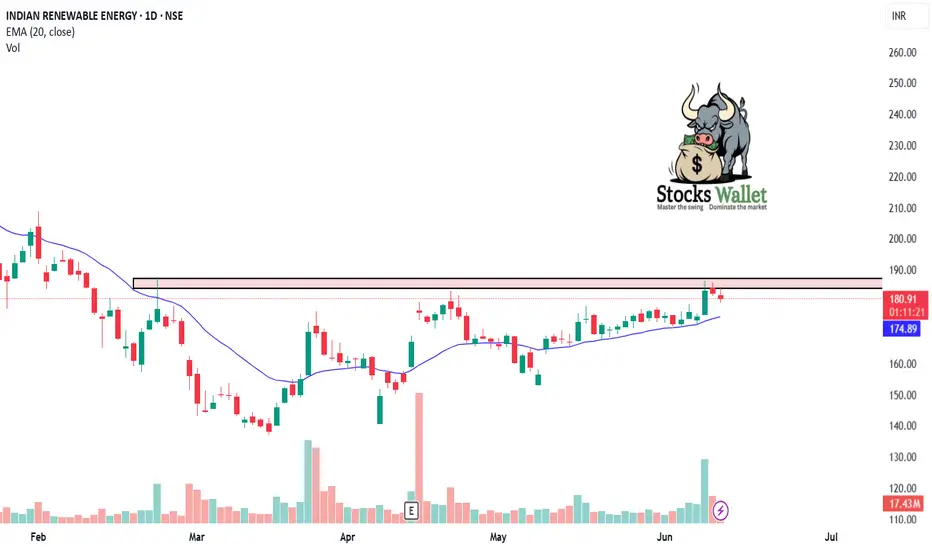
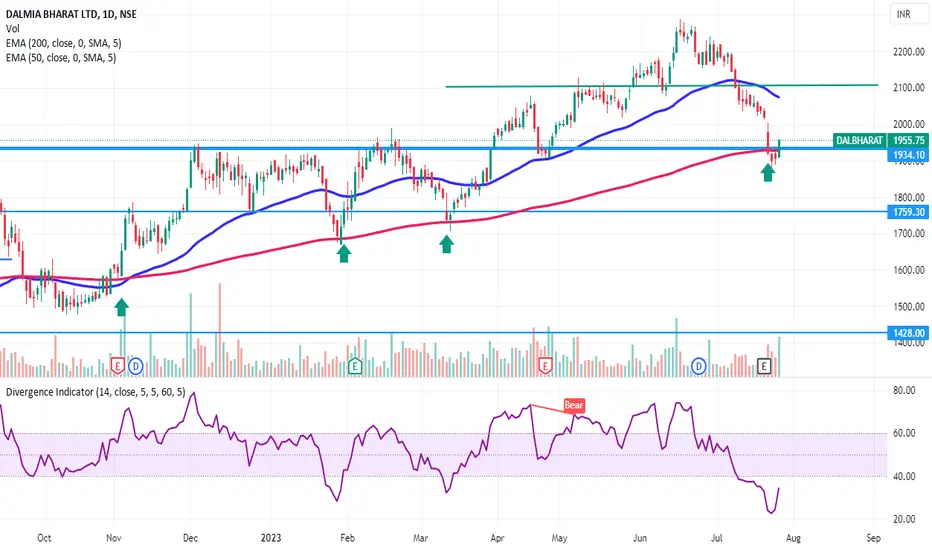
Beginners focus too much on indicators and too little on price action and market structure. Indicators lag; the structure leads.
Ignoring structure means beginners miss:
Trends
Support and resistance
Breakouts and reversals
Liquidity zones
Demand and supply
Trading blindly based on indicators creates confusion. Smart traders combine structure + indicators + risk rules.
10. Not Keeping a Trading Journal
A huge mistake beginners make is not recording their trades. Without a journal, traders cannot track mistakes, improve patterns, or refine discipline.
A journal should include:
Entry/exit
Timeframe
Emotions felt
Mistakes
Screenshots
Lessons
Every professional trader documents their trades. Beginners often don’t — and remain stuck.
11. Using High Leverage
Leverage is a double-edged sword. Beginners see it as a shortcut to big profits. In reality, it multiplies losses faster than profits.
High leverage causes:
Sudden liquidation
Panic during volatility
Overconfidence
Overtrading
Using low, controlled leverage is safer and keeps the account alive.
12. Not Learning Continuously
Markets evolve. Strategies stop working. Volatility changes. Without ongoing learning, traders become outdated. Beginners often stop learning once they know basics — but basics don’t create long-term success.
Continuous learning includes:
Studying charts daily
Backtesting setups
Understanding macro concepts
Improving psychology
Reviewing mistakes
The best traders treat trading like a profession that requires constant improvement.
Conclusion
Beginners make these mistakes not because they are incapable, but because trading feels deceptively simple. The biggest errors come from emotions, lack of discipline, and unrealistic expectations. To succeed, a trader must:
Focus on strategy
Manage risk strictly
Control emotions
Trade fewer but high-quality setups
Accept losses
Learn continuously
Trading is not about being right — it’s about managing risk, controlling emotions, and building discipline over time. Those who avoid the above mistakes build long-term, consistent profitability and survive the challenges that wipe out others.
 Education