Global Macro Data (GDP, Inflation, RBI Policy) on Indian MarketsIndian financial markets do not operate in isolation. They are deeply interconnected with global economic conditions and influenced by both international and domestic macroeconomic data. Among the most critical factors shaping market direction are GDP growth, inflation trends, and monetary policy decisions—especially those of the Reserve Bank of India (RBI). Together, these indicators influence investor sentiment, capital flows, corporate earnings, currency movements, and overall market stability. Understanding their impact is essential for investors, traders, policymakers, and businesses.
1. Role of GDP Growth in Indian Markets
a) Domestic GDP Growth
Gross Domestic Product (GDP) is a key measure of economic health. Strong GDP growth in India signals rising consumption, increased industrial production, higher corporate profits, and improved employment levels. Equity markets typically respond positively to higher GDP growth because:
Companies experience revenue and earnings growth
Banks see improved credit demand and lower NPAs
Government tax collections improve, supporting fiscal stability
Sectors such as banking, infrastructure, FMCG, automobiles, and capital goods usually benefit during high-growth phases.
Conversely, slower GDP growth can dampen market sentiment. Weak demand, reduced corporate earnings, and cautious consumer spending may lead to market corrections or prolonged consolidation.
b) Global GDP Growth
Global GDP growth is equally important for India due to its integration with the world economy. Major economies like the US, China, and the EU significantly affect Indian markets:
Strong global growth boosts Indian exports (IT services, pharmaceuticals, engineering goods)
Weak global growth reduces export demand and affects corporate earnings
Global recessions often trigger risk-off sentiment, leading to foreign capital outflows from emerging markets like India
For example, a slowdown in the US or Europe can negatively impact Indian IT stocks, while a slowdown in China may affect metal and commodity-linked companies.
2. Impact of Inflation on Indian Markets
Inflation measures the rise in prices and directly affects purchasing power, interest rates, and profitability. Both domestic inflation and global inflation trends play a vital role.
a) Domestic Inflation (CPI & WPI)
In India, the RBI closely monitors Consumer Price Index (CPI) inflation. High inflation impacts markets in several ways:
Reduces consumer spending power
Increases input costs for companies
Forces RBI to adopt a hawkish stance (rate hikes)
High inflation is generally negative for equity markets, especially for interest-sensitive sectors like banking, real estate, automobiles, and NBFCs. It also affects bond markets, as rising inflation leads to higher yields and falling bond prices.
Moderate and stable inflation, on the other hand, is considered healthy. It indicates steady demand without overheating the economy, supporting long-term market growth.
b) Global Inflation
Global inflation, especially in developed economies, influences Indian markets indirectly:
High global inflation often leads to tighter monetary policies by central banks like the US Federal Reserve
This can strengthen the US dollar and cause capital outflows from emerging markets
Imported inflation rises for India due to higher commodity prices (crude oil, metals, fertilizers)
India is a major importer of crude oil, so global inflation driven by rising energy prices directly impacts India’s trade deficit, fiscal balance, and corporate margins.
3. RBI Monetary Policy and Its Market Impact
The Reserve Bank of India plays a central role in shaping financial market conditions through its monetary policy framework. RBI decisions on interest rates, liquidity, and regulatory measures significantly influence equity, bond, currency, and derivative markets.
a) Interest Rate Policy (Repo Rate)
The repo rate is the primary tool used by the RBI to control inflation and stimulate or cool economic activity.
Rate Cuts:
Reduce borrowing costs
Encourage consumption and investment
Positive for equity markets and rate-sensitive sectors
Rate Hikes:
Increase loan EMIs and borrowing costs
Slow down consumption and capex
Generally negative for equities but supportive for the currency
Banking and financial stocks are particularly sensitive to RBI rate decisions. While moderate rate hikes can improve bank margins, aggressive hikes may reduce credit growth.
b) Liquidity Management
RBI uses tools such as CRR, SLR, open market operations (OMOs), and variable rate repos to manage liquidity.
Excess liquidity supports equity markets and risk assets
Tight liquidity leads to higher interest rates and market volatility
During periods of global uncertainty, RBI liquidity measures often act as a stabilizing force for Indian markets.
c) Policy Communication and Guidance
RBI’s forward guidance influences market expectations. Clear and consistent communication reduces uncertainty and volatility. Sudden changes in stance, however, can cause sharp market reactions.
4. Interaction Between Global Macro Data and RBI Policy
Indian markets often react not just to RBI policy but to how it aligns with global central banks.
If the US Fed tightens aggressively while RBI remains accommodative, capital outflows may increase
If RBI hikes rates ahead of global peers, it can support the rupee but slow domestic growth
Policy divergence affects currency stability, bond yields, and equity valuations
RBI must balance growth, inflation, and financial stability, especially in a globalized environment where shocks transmit quickly.
5. Impact on Key Asset Classes
a) Equity Markets
Positive GDP growth + stable inflation + accommodative RBI policy = bullish equity markets
High inflation + aggressive rate hikes = bearish or volatile markets
Sector rotation is common depending on macro conditions.
b) Bond Markets
Inflation and RBI rate decisions directly affect bond yields
Rising inflation → higher yields → falling bond prices
Stable inflation → attractive long-term bond investments
c) Currency (INR)
Strong GDP growth and stable inflation support the rupee
High inflation, trade deficits, and global risk-off sentiment weaken the rupee
RBI intervention plays a key role in managing excessive volatility
d) Commodity and Derivatives Markets
Global macro data heavily influences commodity prices, which in turn affect Indian commodity-linked stocks and futures markets.
6. Role of Foreign Institutional Investors (FIIs)
Global macro indicators strongly influence FII behavior:
Strong global growth + risk appetite → FII inflows
High global inflation + rising US yields → FII outflows
FII flows significantly impact Indian indices like Nifty 50 and Sensex, often amplifying market trends.
Conclusion
The impact of global macro data—GDP growth, inflation, and RBI policy—on Indian markets is profound and multidimensional. GDP growth drives corporate earnings and long-term market trends, inflation influences purchasing power and interest rates, and RBI policy acts as a stabilizing or tightening force depending on economic conditions. In a globalized world, international macro developments often shape domestic outcomes through trade, capital flows, currency movements, and investor sentiment.
For market participants, understanding these macro linkages is crucial. Long-term investors use macro indicators to identify economic cycles, while traders track data releases for short-term opportunities. Ultimately, sustainable growth in Indian markets depends on a delicate balance between robust GDP expansion, controlled inflation, and prudent, forward-looking monetary policy by the RBI.
Tradinglessons
PCR Trading Strategies How to Trade Options
Many brokers today allow access to options trading for qualified customers. If you want access to options trading, you will have to be approved for both margin and options with your broker.
Once approved, there are four basic things you can do with options:
Buy (long) calls
Sell (short) calls
Buy (long) puts
Sell (short) puts
Currency (INR) Fluctuations & Export Sector Impact1. Understanding INR Fluctuations
Currency fluctuation refers to the appreciation or depreciation of the INR relative to other currencies.
INR depreciation means the rupee weakens (e.g., ₹75/USD to ₹85/USD).
INR appreciation means the rupee strengthens (e.g., ₹85/USD to ₹75/USD).
These movements are driven by multiple factors:
Interest rate differentials
Inflation trends
Capital flows (FII/DII)
Trade balance and current account deficit
Crude oil prices
Global risk sentiment and US Federal Reserve policy
RBI interventions in the forex market
India, being a net importer of crude oil and capital goods but a strong exporter of services, often experiences mixed effects from INR volatility.
2. Impact of INR Depreciation on Exports
INR depreciation is generally considered favorable for exporters, but its impact varies across sectors.
a) Improved Price Competitiveness
When the INR depreciates, Indian goods and services become cheaper in foreign currency terms. For example, if an Indian exporter sells goods worth ₹1,000:
At ₹75/USD → $13.33
At ₹85/USD → $11.76
This price advantage helps Indian exporters compete better in global markets, especially against exporters from countries with stronger currencies.
b) Higher Export Revenues in Rupee Terms
Exporters earning in foreign currencies benefit when converting earnings back into INR. Even if export volumes remain unchanged, rupee revenues increase, improving cash flows and short-term profitability.
c) Sector-Specific Benefits
IT and IT-enabled services: Major beneficiaries, as revenues are largely in USD while costs are in INR.
Pharmaceuticals: Export-driven firms gain from better margins.
Textiles and garments: Price-sensitive markets benefit from weaker INR.
Engineering goods: Competitive pricing helps capture global orders.
d) Boost to Employment and Capacity Utilization
Higher export demand often leads to increased production, better capacity utilization, and job creation, particularly in labor-intensive sectors like textiles and leather.
3. Challenges of INR Depreciation for Exporters
While depreciation offers advantages, it also creates challenges.
a) Higher Input Costs
Many exporters rely on imported raw materials, components, or machinery. A weaker INR increases the cost of these imports, offsetting the benefits of higher export realization.
b) Margin Pressure
If input cost inflation is higher than export price gains, overall profit margins may shrink. This is common in sectors like electronics, chemicals, and auto components.
c) Hedging Losses
Exporters who have hedged their foreign currency exposure may not fully benefit from sudden depreciation, as forward contracts lock in lower exchange rates.
d) Inflationary Impact
INR depreciation increases import costs, leading to higher domestic inflation. Rising inflation can push up wages and operating expenses, indirectly affecting exporters.
4. Impact of INR Appreciation on Exports
INR appreciation is generally negative for exporters, but it has some indirect benefits.
a) Reduced Price Competitiveness
A stronger INR makes Indian exports more expensive in global markets, potentially reducing demand and export volumes, especially in price-sensitive sectors.
b) Lower Rupee Realizations
Exporters receive fewer rupees for the same foreign currency earnings, impacting revenues and profitability.
c) Pressure on IT and Services Sector
IT companies are particularly sensitive to INR appreciation, as even small currency movements can significantly affect margins due to large overseas revenues.
d) Benefits Through Lower Input Costs
A stronger INR reduces the cost of imported raw materials, energy, and capital goods. This benefits exporters with high import dependency and helps control cost inflation.
5. Volatility vs Direction: Why Stability Matters
For exporters, currency volatility is often more damaging than the direction of movement.
Sudden and sharp fluctuations make pricing difficult.
Long-term contracts become risky.
Forecasting revenues and costs becomes uncertain.
Stable and predictable currency movements allow exporters to plan investments, manage working capital, and negotiate long-term supply agreements effectively.
6. RBI’s Role in Managing INR Fluctuations
The Reserve Bank of India (RBI) plays a critical role in reducing excessive volatility.
Forex market intervention: Buying or selling USD to stabilize INR.
Forex reserves management: Using reserves as a buffer against external shocks.
Interest rate policy: Influencing capital flows and currency demand.
Macroprudential measures: Managing external borrowing and capital inflows.
RBI’s objective is not to target a specific exchange rate but to ensure orderly market conditions.
7. Export Sector Strategies to Manage Currency Risk
Indian exporters actively adopt risk management strategies to mitigate the impact of INR fluctuations.
a) Hedging Instruments
Forward contracts
Options and swaps
Natural hedging (matching import and export cash flows)
b) Market Diversification
Exporting to multiple geographies reduces dependency on a single currency like USD.
c) Value-Added Exports
Moving up the value chain reduces price sensitivity and currency impact.
d) Cost Optimization
Improving operational efficiency helps absorb currency-related cost pressures.
8. Long-Term Structural Impact on India’s Exports
Over the long term, currency movements alone cannot sustain export growth. Structural factors matter more:
Productivity improvements
Infrastructure development
Ease of doing business
Trade agreements
Skill development
Technological innovation
A competitive export sector requires not just a favorable INR but also strong fundamentals.
9. Sector-Wise Sensitivity Summary
Highly Sensitive: IT services, pharmaceuticals, textiles
Moderately Sensitive: Engineering goods, auto components
Less Sensitive: Commodities with global pricing power
10. Conclusion
INR fluctuations have a profound impact on India’s export sector, influencing competitiveness, revenues, costs, and investment decisions. While INR depreciation generally supports exports by improving price competitiveness and boosting rupee earnings, it also raises import costs and inflationary pressures. Conversely, INR appreciation challenges exporters but helps control input costs and inflation.
For sustainable export growth, stability in the currency is more important than extreme movements. A balanced approach by the RBI, combined with effective risk management by exporters and structural reforms by policymakers, is essential to harness the benefits of currency dynamics while minimizing risks. In the evolving global trade environment, the ability of Indian exporters to adapt to INR fluctuations will remain a key determinant of India’s export success.
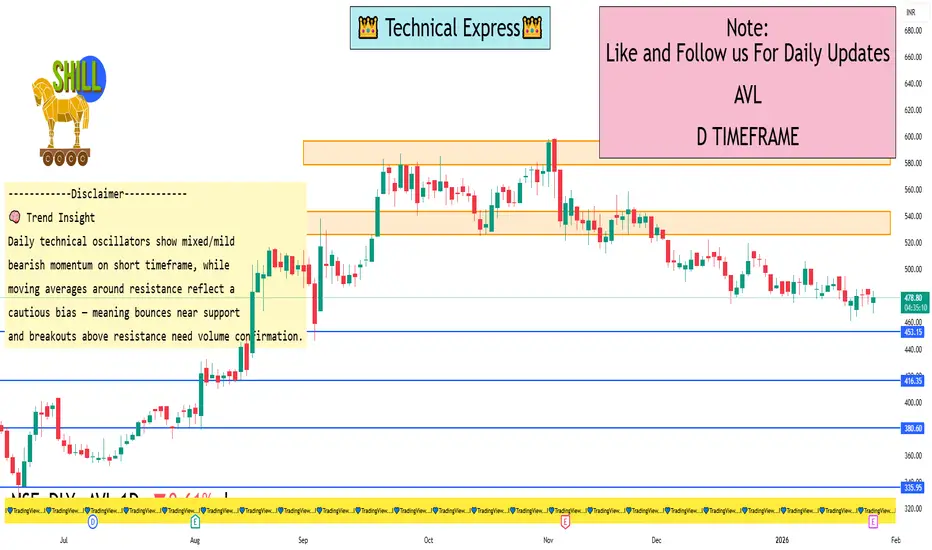
DELHIVERY 1 Week Time Frame 📊 Current Market Context
The stock is trading around ₹380–₹400 on NSE recently.
The 52-week range is roughly ₹236 (low) to ₹490 (high).
📈 Key Weekly Technical Levels — Support & Resistance
(Note: These levels are approximate and based on recent pivots and observed price action.)
🛑 Resistance Levels (Upside)
1. ₹405–₹412 — near the recent pivot/resistance cluster and short-term weekly resistance area.
2. ₹420–₹427+ — secondary resistance zone from broader short-term trend levels.
🛟 Support Levels (Downside)
1. ₹390–₹395 — near current trading pivot & immediate weekly support.
2. ₹380–₹385 — more structural support around recent lows.
3. ₹360–₹370 — deeper support (if broader pullback continues).
📌 Technical Indicator Summary (Short-Term / 1-Week)
Some technical scoring models currently show a sell / bearish bias over the 1-week horizon, suggesting lower momentum near term.
Other shorter timeframe indicators (like simple pivot analysis) suggest the stock is trading in a sideways to slightly down channel, with resistance not far above current levels and support levels falling in the ₹380s and below.
📍 What Traders Watch in 1-Week Timeframe
Break above ₹405–₹412 area with volume — could shift momentum toward ₹420+ short term.
Sustain below ₹390–₹395 — increases probability of a deeper pullback toward ₹380 or lower.
Volatility can remain elevated, so tight risk management or watching daily pivot changes is helpful.
Part 1 Support and Resistance Options Trading vs. Stock Trading
Compared to stock trading, options trading offers:
Lower capital requirement
More strategic flexibility
Ability to profit in rising, falling, or sideways markets
However, it also demands deeper knowledge, discipline, and continuous monitoring.
Part 12 Trading Master Class With Experts Types of Options
Options are mainly divided into two categories:
Call Options
A call option gives the buyer the right to buy the underlying asset at a specified price (strike price) before or on the expiration date.
Example: Suppose a stock trades at ₹1,000, and you buy a call option with a strike price of ₹1,050, expiring in one month. If the stock rises to ₹1,100, you can buy it at ₹1,050 and profit from the difference, minus the premium paid.
Put Options
A put option gives the buyer the right to sell the underlying asset at a specified price before or on the expiration date.
Example: Suppose a stock trades at ₹1,000, and you buy a put option with a strike price of ₹950. If the stock drops to ₹900, you can sell it at ₹950 and profit, minus the premium paid.
Choosing Banks Wisely for Success in the Trading MarketImportance of Banks in the Trading Market
Banking stocks attract traders because of their high liquidity, strong institutional participation, and regular price movements. Stocks like HDFC Bank, ICICI Bank, SBI, Axis Bank, and Kotak Mahindra Bank often show clear trends and good volumes, making them suitable for intraday, swing, and positional trading. Since banks are directly influenced by interest rates, inflation, government policies, and economic growth, they tend to react quickly to news and macroeconomic data. This responsiveness creates frequent trading opportunities but also demands careful selection.
Understanding the Business Model of Banks
Before trading a bank stock, it is important to understand its business model. Some banks are retail-focused, others are corporate-lending heavy, while a few specialize in niche segments such as MSMEs or digital banking. Retail-focused banks generally have stable earnings and lower risk, which often results in smoother price trends. Corporate-heavy banks may offer higher returns during economic booms but can be volatile during slowdowns due to stressed assets. Traders who understand these differences can align their strategy with the risk profile of the bank they choose.
Asset Quality and Risk Management
Asset quality is one of the most critical factors when selecting banks for trading. Indicators such as Gross NPA (Non-Performing Assets), Net NPA, and provision coverage ratio reflect the bank’s ability to manage credit risk. Banks with improving or stable asset quality are preferred by institutional investors, leading to stronger price support and reliable trends. Sudden deterioration in asset quality often triggers sharp sell-offs, which can be risky for traders without proper stop-losses.
Capital Adequacy and Financial Strength
Capital adequacy ratio (CAR) shows how well a bank is capitalized to absorb potential losses. Well-capitalized banks inspire confidence among investors and traders, especially during uncertain market conditions. Banks with strong capital buffers tend to recover faster after market corrections, making them better candidates for positional and swing trading. Weakly capitalized banks may show erratic movements and are more vulnerable to negative news.
Impact of Interest Rates and RBI Policies
Interest rates and Reserve Bank of India (RBI) policies have a direct impact on banking stocks. Changes in repo rates, CRR, SLR, and liquidity measures influence banks’ margins and profitability. Traders should track RBI monetary policy announcements closely when trading bank stocks. Banks that manage interest rate cycles efficiently often outperform peers, offering better trading opportunities during both bullish and bearish phases.
Public Sector vs Private Sector Banks
Choosing between public sector banks (PSUs) and private sector banks is another important consideration. Private banks generally have better asset quality, advanced technology, and efficient management, leading to more consistent price movements. PSU banks, on the other hand, are more sensitive to government policies, recapitalization news, and reforms. While PSU banks can deliver sharp rallies, they also carry higher risk. Traders should select based on their risk appetite and market conditions.
Role of Technical Analysis in Bank Selection
Technical analysis plays a crucial role in choosing banks for trading. Banks with clear chart patterns, strong support and resistance levels, and high trading volumes are more suitable for traders. Indicators such as moving averages, RSI, MACD, and VWAP help identify trends and entry-exit points. A fundamentally strong bank showing technical confirmation provides a higher probability trade compared to a weak bank with random price movements.
Liquidity and Volatility Considerations
Liquidity is essential for trading, especially for intraday traders. Highly liquid bank stocks allow easy entry and exit without significant slippage. Volatility is also important, as it determines profit potential. The best bank stocks for trading offer a balance—enough volatility to generate profits but not so much that price movements become unpredictable. Overly volatile banks can lead to emotional decision-making and losses.
News, Results, and Event Sensitivity
Bank stocks are highly sensitive to quarterly results, credit growth data, mergers, regulatory actions, and management commentary. Traders should be aware of upcoming events and avoid taking large positions without a clear plan. Positive surprises in earnings or guidance can lead to strong breakouts, while negative news can break key support levels. Wise traders factor event risk into their bank selection process.
Long-Term Trends and Market Leadership
Banks that consistently outperform the market often become leaders during bull phases. Trading such leaders increases the probability of success, as they attract continuous institutional interest. Observing relative strength compared to the index helps traders identify which bank stocks are likely to sustain trends. Avoiding laggards and focusing on leaders is a key principle of wise bank selection.
Risk Management and Position Sizing
Even the best bank stock can move against expectations. Therefore, risk management is non-negotiable. Traders should define stop-loss levels, position size according to capital, and avoid overexposure to a single stock or event. Wise selection combined with disciplined risk management helps protect capital and ensures longevity in the trading market.
Conclusion
Choosing banks wisely for the trading market is a combination of understanding fundamentals, tracking macroeconomic factors, applying technical analysis, and managing risk effectively. Banks are powerful trading instruments, but they demand respect due to their sensitivity to economic and policy changes. Traders who focus on financially strong, well-managed, and technically sound banks increase their chances of consistent profits. In the long run, success in trading bank stocks does not come from frequent trades, but from informed selection, patience, and disciplined execution.
Part 2 Technical Analysis VS. Institutional Option Trading1. Time Decay (Theta)
Theta represents how much value option will lose per day even if price doesn’t move.
Sellers LOVE Theta
Buyers FEAR Theta
Near expiry:
A ₹200 premium may fall to ₹20 even with little change in spot.
This is how sellers make money consistently.
2. Volatility (Vega)
Options become expensive when volatility rises.
This usually happens:
Before major news: RBI policy, elections, budgets, Fed meetings.
During event-based uncertainty.
After events → IV crashes → Options become cheaper → Buyers suffer.
Part 10 Trade Like Institutions Open Interest (OI) – The Most Important Tool
OI reveals:
Where option writers (big money) are active
Market expectations
Support and resistance zones
CE OI Buildup
Resistance zone
Option sellers expect market to stay below these strikes.
PE OI Buildup
Support zone
Sellers expect market to stay above these strikes.
OI Shift
When PE writers exit and CE writers build → Trend reversal.
Part 9 Trading Master Class With Experts How Institutions Trade Options
Institutions focus on:
Selling premium (because they have capital)
Hedged positions
Large OI levels
Neutral strategies like condors and spreads
Market-making
Risk-neutral trades using delta-neutral strategies
Retail traders tend to chase:
Lottery OTM options
Low probability trades
News-based speculation
Institutions focus on consistency.
Chart Patterns What Are Chart Patterns?
Chart patterns are formations created by price movements on candlestick charts. When price repeatedly reacts at certain levels—like bouncing from support or rejecting resistance—it creates geometric structures. These structures reflect a battle between buyers (bulls) and sellers (bears).
Patterns help answer key questions:
Is the trend continuing or reversing?
Where is the next breakout?
Who is in control—buyers or sellers?
Where can a trader enter with optimal risk–reward?
Patterns are broadly classified into:
Continuation Patterns
Reversal Patterns
Bilateral Patterns (can break either way)
Sub-Brokers in the Indian Stock MarketRole, Structure, Opportunities, and Challenges
The Indian stock market is one of the fastest-growing financial markets in the world, supported by a wide network of intermediaries who connect investors with stock exchanges. Among these intermediaries, sub-brokers play a crucial role. They act as an important bridge between registered stockbrokers and retail investors, especially in semi-urban and rural regions of India. Understanding sub-brokers is essential for anyone looking to participate in the Indian securities market, either as an investor or as a market intermediary.
Meaning of Sub-Brokers in India
A sub-broker is an individual or entity that acts on behalf of a registered stockbroker to assist investors in trading securities. Sub-brokers do not have direct membership with stock exchanges such as NSE (National Stock Exchange) or BSE (Bombay Stock Exchange). Instead, they operate under a main broker (also called a trading member) and help clients open trading and demat accounts, place trades, and understand market products.
Sub-brokers are registered with SEBI (Securities and Exchange Board of India) and must comply with its regulations. Their primary role is client acquisition and servicing, while the execution of trades and clearing is handled by the main broker.
Regulatory Framework and Registration
SEBI governs the functioning of sub-brokers in India to ensure transparency, investor protection, and ethical conduct. To become a sub-broker, an individual or firm must:
Register with SEBI through a registered stockbroker
Fulfill eligibility criteria such as educational qualifications and certification (e.g., NISM certification)
Pay the prescribed registration fees
Comply with SEBI’s code of conduct
Sub-brokers must also adhere to KYC (Know Your Customer) norms, anti-money laundering guidelines, and regular compliance reporting. In recent years, SEBI has streamlined and modernized regulations, encouraging digital onboarding and higher accountability.
Role and Functions of Sub-Brokers
Sub-brokers perform multiple functions in the Indian market ecosystem:
Client Acquisition
One of the most important roles of a sub-broker is to bring new investors into the stock market. They leverage personal relationships, local presence, and trust to onboard clients who may not be comfortable dealing directly with large brokerage firms.
Investor Education and Guidance
Sub-brokers educate clients about equity, derivatives, mutual funds, commodities, and other financial instruments. They help investors understand market risks, trading strategies, and regulatory requirements.
Account Opening and Documentation
They assist clients in opening trading and demat accounts, completing KYC formalities, and linking bank accounts.
Order Placement and Trade Support
Sub-brokers help clients place buy and sell orders through the broker’s trading platform and provide support during market hours.
Relationship Management
Personalized service is a key strength of sub-brokers. They maintain long-term relationships with clients, offering customized solutions and timely support.
Types of Sub-Brokers in India
Sub-brokers in India can be broadly classified into different categories:
Individual Sub-Brokers: Independent professionals operating in a specific locality
Franchise Sub-Brokers: Operating under a brokerage brand with office infrastructure
Remisiers: Focus mainly on client referrals and earn commission without handling operations
Digital Partners: Sub-brokers associated with online or discount brokers, focusing on digital client acquisition
Each type differs in terms of responsibilities, revenue sharing, and operational involvement.
Revenue Model and Earnings
Sub-brokers earn income through commission sharing with the main broker. The revenue depends on:
Trading volume generated by clients
Brokerage structure (percentage-based or flat fee)
Number of active clients
Product mix (equity, derivatives, commodities, mutual funds)
Typically, sub-brokers receive 40% to 70% of the brokerage generated by their clients. Those with a strong client base and high trading volumes can earn substantial and recurring income. However, earnings are not fixed and depend heavily on market activity.
Importance of Sub-Brokers in the Indian Market
Sub-brokers have been instrumental in expanding the reach of the Indian stock market. Their importance includes:
Financial Inclusion: Bringing first-time investors into the market
Regional Penetration: Serving small towns and rural areas
Trust-Based Relationships: Offering comfort to investors unfamiliar with online trading
Market Awareness: Promoting financial literacy and investment culture
Even with the rise of discount brokers and online platforms, sub-brokers remain relevant due to their personalized approach.
Impact of Technology and Changing Market Structure
Technology has significantly transformed the role of sub-brokers. Online trading platforms, mobile apps, and digital KYC have reduced manual processes. Modern sub-brokers now focus more on advisory, education, and relationship management rather than just order placement.
At the same time, the growth of discount brokers has increased competition, putting pressure on traditional commission-based models. Sub-brokers who adapt by offering value-added services such as portfolio guidance, research insights, and financial planning are better positioned for long-term success.
Challenges Faced by Sub-Brokers
Despite their importance, sub-brokers face several challenges:
Regulatory Compliance: Increasing compliance requirements demand time and resources
Margin Pressure: Lower brokerage rates reduce earnings
Technological Adaptation: Need to stay updated with digital platforms
Market Volatility: Income fluctuates with market conditions
Client Expectations: Investors expect faster service and expert-level guidance
To survive and grow, sub-brokers must continuously upgrade skills and services.
Future of Sub-Brokers in India
The future of sub-brokers in India is evolving rather than disappearing. While pure execution-based roles may decline, advisory-driven and relationship-focused sub-brokers will remain in demand. SEBI’s emphasis on investor protection and transparency will further professionalize the sub-broker ecosystem.
Sub-brokers who embrace technology, diversify product offerings, and focus on long-term client value will continue to play a significant role in India’s capital markets.
Conclusion
Sub-brokers are a vital part of the Indian stock market structure. They act as trusted intermediaries, educators, and facilitators for millions of investors. Despite facing regulatory and competitive challenges, sub-brokers continue to contribute to market growth and financial inclusion. As the Indian market matures, the role of sub-brokers will shift from simple intermediaries to comprehensive financial partners, ensuring their relevance in the years to come.
METALIETF 1 Week Time Frame 📊 Current Context (Latest Price)
• The ETF is trading around ₹11.6–₹11.8 (mid‑Jan 2026 data).
📈 Weekly Technical Levels (Pivot‑Based Support / Resistance)
From the weekly pivot point analysis:
Weekly Pivot Point (Center): ~ ₹11.38
This is a key level — above it suggests bullish bias on weekly charts.
Weekly Resistance Levels:
R1: ~ ₹11.71 — first upside target/resistance
R2: ~ ₹12.28 — secondary resistance zone
R3: ~ ₹12.61 — further supply zone if momentum continues
Weekly Support Levels:
S1: ~ ₹11.05 — initial support on pullbacks
S2: ~ ₹10.81 — next support below
S3: ~ ₹10.48 — deeper weekly support
Central Pivot Range (CPR):
Top CPR ~ 11.51
Bottom CPR ~ 11.26
This band often acts as a weekly equilibrium zone — trading above it keeps bulls in control.
📌 Summary – Weekly Key Levels
Level Type Price (₹)
Weekly Resistance 3 (R3) ~11.52
Weekly Resistance 2 (R2) ~11.28
Weekly Resistance 1 (R1) ~11.06
Weekly Pivot ~10.82
Weekly Support 1 (S1) ~10.60
Weekly Support 2 (S2) ~10.36
Weekly Support 3 (S3) ~10.14
HINDZINC 1 Week Time Frame 📌 Current Context (mid‑Jan 2026)
• The stock is trading around ~₹640‑₹654 on NSE.
📊 1‑Week Key Levels (Support & Resistance)
🔄 Weekly Pivot (Standard)
Pivot (weekly baseline): ~₹615‑₹642 (varies slightly by method)
📈 Resistance Levels
R1: ~₹642‑₹677 (immediate weekly resistance)
R2: ~₹677‑₹688 (secondary supply zone)
R3: ~₹704‑₹706+ (higher hurdle)
📉 Support Levels
S1: ~₹579‑₹614 (first weekly support band)
S2: ~₹552‑₹580 (next downside cushion)
S3: ~₹516‑₹553 (deeper support zone)
📉 Weekly Swing Range (Indicative)
Likely weekly range for HINDZINC over next 4–5 sessions:
➡️ Upside: ~₹675‑₹705+ (on strong bullish momentum)
➡️ Downside: ~₹550‑₹580 (if markets soften)
This range assumes standard weekly pivot behavior and typical momentum — actual moves may vary with broader market catalysts like metals index moves or commodity price shifts.
Part 2 Intraday Master ClassTypes of Options
There are two primary types of options:
a) Call Option
A call option gives the buyer the right to buy the underlying asset at the strike price before or at expiry. Traders buy call options when they expect the price of the underlying asset to rise.
Buyer’s risk: Limited to the premium paid
Buyer’s reward: Potentially unlimited
Seller’s risk: Potentially unlimited
b) Put Option
A put option gives the buyer the right to sell the underlying asset at the strike price before or at expiry. Traders buy put options when they expect the price to fall.
Buyer’s risk: Limited to the premium paid
Buyer’s reward: Significant but capped by the price going to zero
Seller’s risk: Substantial
Part 1 Intraday Master Class What Is Option Trading?
An option is a financial derivative contract that gives the buyer the right, but not the obligation, to buy or sell an underlying asset at a predetermined price (called the strike price) on or before a specific date (known as the expiry date). The seller (or writer) of the option, on the other hand, has the obligation to fulfill the contract if the buyer chooses to exercise the option.
Option trading involves buying and selling these contracts in the derivatives market. In India, options are commonly traded on stocks and indices such as NIFTY, BANK NIFTY, and FINNIFTY.
F&O Trading (Futures and Options Trading): A Comprehensive GuideUnderstanding F&O Trading
F&O trading is part of the derivatives market, where the value of contracts is derived from an underlying asset. The underlying asset can be stocks, stock indices (like NIFTY or BANK NIFTY), commodities, currencies, or interest rates. Unlike cash market trading, where investors buy or sell actual shares, F&O trading involves contracts that derive their value from price movements of these assets.
The two main instruments in this segment are Futures and Options, each with distinct characteristics and risk profiles.
Futures Trading Explained
A futures contract is a legally binding agreement between two parties to buy or sell an underlying asset at a predetermined price on a specified future date. In futures trading, both the buyer and seller are obligated to fulfill the contract at expiry unless they exit the position earlier.
Futures are widely used by traders to speculate on price direction. If a trader expects the price of a stock or index to rise, they take a long futures position. If they expect a fall, they take a short futures position. One of the defining features of futures trading is leverage, where traders need to pay only a margin (a fraction of the total contract value) to control a large position.
While leverage increases profit potential, it equally amplifies losses. A small unfavorable movement in price can result in significant losses, making risk management critical.
Options Trading Explained
An options contract gives the buyer the right but not the obligation to buy or sell the underlying asset at a specific price (called the strike price) before or on a specific date (expiry). The seller (or writer) of the option, however, has an obligation to fulfill the contract if the buyer exercises the option.
There are two main types of options:
Call Options: Give the right to buy the asset.
Put Options: Give the right to sell the asset.
Options buyers pay a premium, which is the maximum loss they can incur. This limited-risk feature makes options attractive to beginners. On the other hand, option sellers earn the premium but face potentially unlimited risk, especially in naked option selling.
Options trading allows traders to profit not only from price direction but also from factors like time decay (theta), volatility (vega), and price sensitivity (delta).
Key Differences Between Futures and Options
Futures contracts involve obligation for both parties, while options involve a right for the buyer and obligation for the seller. Futures have linear profit and loss, meaning gains and losses move directly with price changes. Options have non-linear payoffs, allowing for complex strategies such as hedging, income generation, and volatility trading.
Why Traders Use F&O Trading
One of the primary reasons for F&O trading is hedging. Investors use futures and options to protect their portfolios from adverse market movements. For example, an investor holding a large equity portfolio may buy index put options to hedge against a market crash.
Another major use is speculation. Traders attempt to profit from short-term price movements using leverage. Since derivatives require lower capital compared to the cash market, traders can take larger positions.
F&O trading also supports arbitrage opportunities, where price differences between the cash and derivatives markets can be exploited for low-risk returns.
Leverage and Margin in F&O Trading
Leverage is both an advantage and a risk in F&O trading. Traders are required to maintain initial margin and maintenance margin with their brokers. If the market moves against their position, they may receive a margin call, requiring them to add funds.
Poor understanding of margin requirements often leads to forced position closures and heavy losses, especially during volatile market conditions.
Risks Involved in F&O Trading
F&O trading carries significant risk, particularly for inexperienced traders. The major risks include:
High volatility risk, leading to sudden losses
Leverage risk, magnifying losses beyond expectations
Time decay, especially harmful for option buyers
Unlimited loss potential for option sellers
Emotional and psychological pressure, leading to poor decision-making
Many retail traders lose money in F&O trading due to overtrading, lack of strategy, and inadequate risk management.
Risk Management in F&O Trading
Successful F&O trading relies heavily on risk management. Traders must define position size, use stop-loss orders, and avoid risking more than a small percentage of capital on a single trade. Hedged strategies, such as spreads and straddles, help limit losses.
Maintaining discipline, following a trading plan, and avoiding revenge trading are equally important.
Role of Strategy in F&O Trading
F&O trading is not about prediction alone but about probability and strategy. Common futures strategies include trend following and breakout trading. Options strategies range from simple ones like buying calls or puts to advanced strategies such as iron condors, butterflies, calendar spreads, and straddles.
The choice of strategy depends on market conditions—whether the market is trending, range-bound, or highly volatile.
Who Should Trade in F&O?
F&O trading is best suited for traders with:
Strong understanding of market mechanics
Ability to handle risk and volatility
Adequate capital and emotional discipline
Knowledge of technical analysis and derivatives pricing
Beginners should start with education, paper trading, and small position sizes before committing significant capital.
Conclusion
F&O trading is a powerful financial tool that offers immense opportunities for profit, hedging, and portfolio optimization. However, it is not a shortcut to quick wealth. The same leverage that amplifies gains can also magnify losses. Success in F&O trading requires deep knowledge, disciplined execution, robust risk management, and continuous learning.
For traders who respect its complexity and approach it with patience and preparation, F&O trading can become a valuable component of long-term market participation. For those who treat it as gambling, it often results in significant financial loss. Understanding the mechanics, risks, and strategies is the first and most crucial step toward sustainable success in the F&O segment.
GIFT NiftyA Strategic Bridge Between the Indian and Global Financial Markets
GIFT Nifty has emerged as one of the most important instruments linking the Indian stock market with global financial markets. It represents India’s growing integration with international capital flows and reflects how global investors perceive Indian equities in real time. With the establishment of GIFT City (Gujarat International Finance Tec-City) as an international financial services hub, GIFT Nifty has replaced the earlier SGX Nifty and has become the primary offshore derivative for tracking and trading the Nifty 50 index outside mainland India. Its relevance has increased significantly for traders, investors, institutions, and policymakers alike.
Understanding What GIFT Nifty Is
GIFT Nifty is a futures contract based on the Nifty 50 index, traded on the NSE International Exchange (NSE IX) located at GIFT City, Gujarat. Unlike the traditional Nifty futures traded on NSE India during Indian market hours, GIFT Nifty trades for extended hours, closely overlapping with global market sessions such as Asia, Europe, and the US. This extended trading window allows global investors to take positions on Indian equities almost round the clock.
In simple terms, GIFT Nifty acts as a price discovery mechanism for the Indian market when domestic exchanges are closed. It reflects how global news, macroeconomic data, geopolitical developments, and overnight cues are likely to influence the Indian stock market when it opens.
Evolution from SGX Nifty to GIFT Nifty
Earlier, SGX Nifty, traded on the Singapore Exchange, was the most popular offshore derivative for tracking Indian markets. However, to bring offshore trading volumes back to India and strengthen GIFT City as a global financial hub, NSE International Exchange launched GIFT Nifty. Gradually, liquidity shifted from SGX Nifty to GIFT Nifty, making it the primary reference point for global investors.
This transition marked a significant milestone for India’s financial ecosystem, as it reduced dependency on foreign exchanges and enhanced India’s control over its own benchmark derivatives.
Role of GIFT Nifty in the Indian Market
For Indian market participants, GIFT Nifty serves as a powerful indicator of how the market is likely to open. Traders closely monitor GIFT Nifty movements early in the morning to gauge opening gaps—whether the market may open higher, lower, or flat.
If GIFT Nifty is trading significantly higher than the previous Nifty close, it suggests a positive opening sentiment driven by global cues. Conversely, if it is trading lower, it signals potential weakness. This makes GIFT Nifty especially valuable for:
Index traders and scalpers planning pre-market strategies
Options traders adjusting volatility and gap-risk assumptions
Institutional desks managing overnight risk
However, it is important to note that GIFT Nifty is an indicator, not a guarantee. Domestic news, RBI announcements, corporate earnings, and pre-market order flows can still alter the actual opening.
Importance in the Global Market Context
From a global perspective, GIFT Nifty allows international investors to gain exposure to India’s growth story without trading directly on Indian exchanges. India is one of the fastest-growing major economies, and global funds actively track Indian indices for allocation decisions.
GIFT Nifty enables:
Hedging of India exposure by global funds
Speculative positioning based on global macro events
Portfolio rebalancing outside Indian trading hours
For example, if US markets react sharply to inflation data, Federal Reserve commentary, or geopolitical tensions, global investors can immediately adjust their India exposure through GIFT Nifty instead of waiting for Indian markets to open.
Impact of Global Macroeconomic Events
GIFT Nifty is highly sensitive to global macroeconomic developments. Events such as US Federal Reserve interest rate decisions, US CPI data, crude oil price movements, dollar index fluctuations, and geopolitical conflicts often first reflect in GIFT Nifty before impacting Indian markets.
This sensitivity makes GIFT Nifty a real-time barometer of global risk sentiment toward India. During periods of risk-off sentiment, GIFT Nifty may trade at a discount, signaling cautious openings. During risk-on phases, strong buying interest can push it higher, indicating optimism.
Liquidity, Participants, and Market Structure
Liquidity in GIFT Nifty has grown steadily, supported by participation from foreign institutional investors, proprietary trading firms, hedge funds, and global banks. The contract structure, margin efficiency, and tax-friendly environment of GIFT City have further encouraged participation.
Trading in US dollar terms also makes it convenient for global players who prefer avoiding currency conversion complexities associated with onshore Indian markets.
Advantages of GIFT Nifty
Some key advantages include:
Extended trading hours aligned with global markets
Efficient price discovery for the Nifty 50
Reduced dependency on foreign exchanges
Strengthening of India’s international financial standing
Better risk management tools for global and domestic investors
Limitations and Risks
Despite its importance, GIFT Nifty is not without limitations. Liquidity, though improving, may still be lower compared to onshore NSE during peak Indian hours. Sudden domestic news can override global cues, leading to divergence between GIFT Nifty and actual market openings.
Additionally, retail Indian investors do not directly trade GIFT Nifty; its influence is indirect through sentiment and price signals.
Future Outlook of GIFT Nifty
As GIFT City continues to develop and attract global financial institutions, GIFT Nifty is expected to gain deeper liquidity and wider acceptance. With India’s increasing weight in global indices and rising foreign participation, GIFT Nifty will likely play an even larger role in shaping pre-market sentiment and global perception of Indian equities.
In the long term, GIFT Nifty symbolizes India’s ambition to be a global financial powerhouse—offering world-class infrastructure, regulatory clarity, and market access.
Conclusion
GIFT Nifty is far more than just an offshore derivative; it is a critical link between the Indian and global financial markets. It reflects global sentiment toward India, aids in efficient price discovery, and helps both domestic and international participants manage risk and opportunity. As India’s economic influence grows, GIFT Nifty will remain a central pillar in connecting Indian markets with the world, shaping how global capital engages with one of the most dynamic economies of the 21st century.
A Timeless Strategy for Protecting Wealth and Managing RiskHedging with Gold:
Gold has occupied a unique position in human civilization for thousands of years. Beyond its aesthetic appeal and cultural significance, gold has long been regarded as a reliable store of value and a powerful financial hedge. In modern investing, “hedging with gold” refers to using gold as a protective asset to reduce portfolio risk, preserve wealth during uncertainty, and counterbalance losses from other asset classes. In an era marked by inflationary pressures, volatile equity markets, currency fluctuations, and geopolitical tensions, gold continues to play a critical role in risk management strategies.
Understanding Hedging and Gold’s Role
Hedging is an investment technique designed to offset potential losses in one asset by holding another asset that is expected to perform well under adverse conditions. Gold fits naturally into this framework because its price behavior often differs from that of stocks, bonds, and currencies. While equities thrive during economic growth, gold tends to perform better during periods of uncertainty, financial stress, or declining confidence in paper assets.
Gold is not dependent on the performance of a company, government, or financial institution. It does not carry credit risk or default risk, making it fundamentally different from stocks and bonds. This independence is what gives gold its hedging power.
Gold as a Hedge Against Inflation
One of the most important reasons investors hedge with gold is inflation protection. Inflation erodes the purchasing power of money, reducing the real value of savings and fixed-income investments. Historically, gold has maintained its value over long periods, even when fiat currencies lose purchasing power.
When inflation rises, central banks often respond with loose monetary policies or delayed interest rate hikes, which can weaken currencies. As currencies depreciate, gold prices—often quoted in those currencies—tend to rise. This makes gold an effective tool for preserving real wealth during inflationary cycles. Investors view gold as “real money” because it cannot be printed or devalued by policy decisions.
Gold as a Safe-Haven Asset
Gold is widely recognized as a safe-haven asset. During periods of financial crises, market crashes, or geopolitical instability, investors often shift capital from risky assets like equities into gold. This flight to safety increases demand for gold and supports its price when other assets are under pressure.
Examples include global financial crises, banking stress, wars, or sudden economic shocks. When confidence in financial systems declines, gold’s tangible and universally accepted nature provides psychological and financial reassurance. This inverse or low correlation with risk assets makes gold an effective hedge during extreme market events.
Currency Risk and Gold Hedging
Gold also acts as a hedge against currency depreciation. Since gold is priced globally and traded in international markets, it is not tied to the fate of any single currency. When domestic currencies weaken due to trade deficits, monetary expansion, or economic instability, gold prices in that currency often rise.
For investors in emerging markets, where currencies may be more volatile, gold offers protection against exchange-rate risk. By holding gold, investors can partially insulate their portfolios from losses caused by currency devaluation.
Portfolio Diversification Benefits
Diversification is a cornerstone of sound investment strategy, and gold plays a crucial role in this process. Gold typically has a low or negative correlation with equities and, at times, with bonds. Including gold in a portfolio can reduce overall volatility and improve risk-adjusted returns.
Even a modest allocation to gold—often between 5% and 15%—can enhance portfolio resilience. During bull markets, gold may underperform equities, but during bear markets, it can help cushion losses. This balancing effect is central to gold’s role as a hedge rather than a high-growth asset.
Gold as a Hedge Against Systemic Risk
Systemic risk refers to the potential collapse of an entire financial system due to interconnected failures. Events such as banking crises, sovereign debt defaults, or extreme leverage in financial markets can trigger systemic shocks. Gold, being outside the traditional financial system, provides protection in such scenarios.
Unlike bank deposits or financial securities, physical gold does not rely on intermediaries. This makes it particularly attractive during times of financial stress when trust in institutions is weakened. Even gold-backed financial instruments benefit from this perception of stability.
Ways to Hedge with Gold
Investors can hedge with gold through various instruments, each with its own characteristics:
Physical Gold: Coins, bars, and jewelry provide direct ownership and eliminate counterparty risk, though they involve storage and insurance costs.
Gold ETFs and Mutual Funds: These offer liquidity and ease of trading while tracking gold prices.
Gold Mining Stocks: These provide leveraged exposure to gold prices but also carry company-specific and market risks.
Gold Futures and Options: Used mainly by sophisticated investors for short-term hedging and tactical strategies.
The choice depends on investment goals, risk tolerance, time horizon, and accessibility.
Limitations of Gold as a Hedge
While gold is a powerful hedging tool, it is not without limitations. Gold does not generate income like dividends or interest, making it less attractive during stable, high-growth periods. Its price can also be volatile in the short term, influenced by interest rates, currency movements, and speculative flows.
Additionally, gold should not be viewed as a complete replacement for productive assets. Over-allocation can reduce long-term growth potential. Effective hedging with gold requires balance, discipline, and a clear understanding of its role within a diversified portfolio.
Strategic Use of Gold in Modern Portfolios
In today’s complex economic environment, gold remains highly relevant. Rising global debt levels, recurring inflation concerns, monetary policy uncertainty, and geopolitical risks reinforce the need for defensive assets. Gold serves as insurance rather than a speculative bet—its value lies in protection, not rapid appreciation.
Investors who use gold strategically, rather than emotionally, benefit the most. Periodic rebalancing, long-term perspective, and alignment with broader financial goals are essential for effective gold hedging.
Conclusion
Hedging with gold is a time-tested strategy rooted in gold’s unique properties as a store of value, safe haven, and diversification tool. While it may not always deliver high returns, its true strength lies in preserving wealth and stabilizing portfolios during periods of uncertainty. In a world of shifting economic cycles and unpredictable risks, gold continues to shine as a reliable hedge—quietly protecting capital when it is needed most.
SMSPHARMA 1 Day View 📊 Latest Price Context (Indicative)
The stock has recently been trading around ₹340-₹345 on the NSE/BSE.
📈 1-Day Time Frame Levels
🔹 Immediate Resistance Zones
These are levels where supply may increase and price may struggle to rise further:
1. R1: ~₹350–₹351 – First resistance area (short-term pivot zone from intraday studies).
2. R2: ~₹355–₹360 – Next resistance zone based on pivot/EMA clusters.
3. R3: ~₹362–₹365+ – Upper resistance target zone.
🔻 Immediate Support Zone
These are buyers’ areas that may help contain a sell-off on the daily chart:
1. S1: ~₹338–₹339 – Near-term support (intraday pivot support).
2. S2: ~₹331–₹332 – Next support zone (short-term EMA/SMA confluence).
3. S3: ~₹325–₹327 – Stronger support below current price.
📌 Technical Indicators (Daily Box)
Trend & Momentum:
Daily moving averages (20/50/100/200) are generally bullish/bias positive.
RSI on some sources shows moderately bullish / near-neutral conditions, not deeply overbought.
Other oscillators (like MACD, CCI) on alternative platforms vary but can be neutral to bullish on daily context.
Overall, the short-term bias around the daily timeframe is bullish to neutral as long as support levels hold.
⚠️ Important
These levels are indicative and based on technical sources, not real-time live quotes or market orders. Always verify with your trading platform’s live charts (e.g., NSE/BSE live data) before placing trades. This is not financial advice—consider risk management and your own analysis.
Global Market Impact on the Indian MarketInterconnections, Influences, and Future Outlook
The Indian financial market does not operate in isolation. In today’s highly interconnected global economy, movements in international markets significantly influence India’s equity, debt, currency, and commodity markets. Global economic trends, monetary policies of major economies, geopolitical developments, capital flows, and technological shifts all play a crucial role in shaping the direction, volatility, and sentiment of Indian markets. Understanding how global markets impact the Indian market is essential for investors, policymakers, businesses, and traders to make informed decisions and manage risk effectively.
Global Economic Growth and Its Influence on India
Global economic growth directly affects India’s market performance. When major economies such as the United States, China, the European Union, and Japan experience strong growth, global trade expands, benefiting Indian exports in sectors like information technology, pharmaceuticals, engineering goods, textiles, and chemicals. Increased global demand leads to higher revenues and profitability for Indian companies, boosting stock market valuations.
Conversely, a slowdown or recession in global economies negatively impacts Indian markets. Reduced export demand, supply chain disruptions, and lower foreign investments can pressure corporate earnings and investor confidence. For example, global recessions often result in sharp corrections in Indian equity markets as foreign investors turn risk-averse and reduce exposure to emerging markets like India.
Impact of Global Monetary Policies
One of the most powerful global influences on the Indian market is the monetary policy of major central banks, especially the US Federal Reserve. Changes in interest rates in developed economies directly affect global liquidity. When the Federal Reserve raises interest rates, capital tends to flow back to the US in search of higher and safer returns. This often leads to foreign institutional investors (FIIs) withdrawing funds from Indian equities and bonds, causing market volatility, stock price corrections, and pressure on the Indian rupee.
On the other hand, accommodative global monetary policies, such as low interest rates and quantitative easing, increase liquidity in the global financial system. Excess liquidity often flows into emerging markets, including India, supporting equity rallies, bond inflows, and currency stability. Thus, global interest rate cycles have a profound impact on India’s financial markets.
Foreign Institutional Investment (FII) Flows
Foreign institutional investors play a crucial role in the Indian market, and their investment decisions are largely influenced by global market conditions. Risk-on environments—characterized by stable global growth, low inflation, and accommodative policies—encourage FIIs to invest in India due to its growth potential. This leads to rising stock prices, higher trading volumes, and improved market sentiment.
In contrast, during periods of global uncertainty such as financial crises, geopolitical conflicts, or sharp inflation spikes, FIIs often reduce exposure to emerging markets. Large FII outflows can lead to sharp declines in benchmark indices like the Sensex and Nifty, increased volatility, and sector-specific sell-offs, particularly in banking, IT, and large-cap stocks.
Currency Movements and Global Factors
The Indian rupee is highly sensitive to global developments. Strengthening of the US dollar, driven by higher US interest rates or global risk aversion, usually leads to depreciation of the rupee. A weaker rupee increases import costs, especially for crude oil, fertilizers, and electronic goods, which can worsen inflation and affect corporate margins.
However, a depreciating rupee can benefit export-oriented sectors such as IT services, pharmaceuticals, and textiles, as their revenues in foreign currencies translate into higher rupee earnings. Therefore, global currency trends have a mixed but significant impact on different segments of the Indian market.
Global Commodity Prices and Indian Markets
India is a major importer of commodities, particularly crude oil. Global commodity price movements strongly influence India’s inflation, fiscal balance, and corporate profitability. Rising crude oil prices increase input costs for industries, raise transportation expenses, and put pressure on government finances through higher subsidies. This often leads to negative sentiment in equity markets and concerns over inflation and interest rates.
Similarly, global prices of metals like steel, aluminum, copper, and precious metals affect Indian metal companies, infrastructure projects, and manufacturing sectors. A surge in global commodity prices can boost earnings for commodity producers but may hurt downstream industries and consumers.
Geopolitical Events and Global Risks
Geopolitical developments such as wars, trade conflicts, sanctions, and political instability can trigger global market volatility, which spills over into Indian markets. Events like conflicts in oil-producing regions, tensions between major economies, or disruptions in global trade routes increase uncertainty and risk aversion among investors.
During such periods, Indian markets often witness increased volatility, defensive sector rotation, and flight to safety toward gold and government bonds. Geopolitical risks also affect India’s trade relations, energy security, and foreign investment outlook.
Global Equity Market Trends and Correlation
Indian equity markets often show correlation with major global indices such as the S&P 500, Nasdaq, Dow Jones, and Asian markets. Sharp corrections or rallies in global markets can influence opening sentiment and intraday movements in Indian indices. While India has strong domestic growth drivers, global cues still play a critical role in short-term market direction.
However, over the long term, India’s market performance is increasingly driven by domestic factors such as consumption growth, infrastructure development, demographic advantages, and policy reforms. This gradual decoupling highlights India’s growing economic resilience, even as global influences remain relevant.
Technology, Global Capital, and Structural Shifts
Global technological advancements and capital flows are reshaping Indian markets. Increased participation of global investors through ETFs, index funds, and digital platforms has integrated India more deeply into global financial systems. Global trends such as digitization, renewable energy, artificial intelligence, and electric mobility influence sectoral investments in India.
India’s inclusion in global indices and its rising weight in emerging market portfolios also amplify the impact of global rebalancing decisions on Indian markets.
Conclusion: Balancing Global Influence and Domestic Strength
The global market’s impact on the Indian market is deep and multifaceted. Global economic growth, monetary policies, capital flows, currency movements, commodity prices, and geopolitical events collectively shape India’s market dynamics. While these global factors often drive short-term volatility and sentiment, India’s long-term market trajectory is increasingly supported by strong domestic fundamentals.
For investors and market participants, understanding global influences alongside India-specific factors is essential for effective risk management and strategic asset allocation. As India continues to integrate with the global economy while strengthening its domestic growth engines, the interplay between global markets and the Indian market will remain a defining feature of its financial landscape.


