NIFTY IntraSwing Spot level Analysis for 01st Feb 2026: NIFTY Analysis for 01st Feb 2026: IntraSwing Spot levels
On BUDGET Day: Special Trading
Market may little bit Chopp y, Take Caesious Approach.
👇🏼Screenshot of NIFTY Spot Positional / Weekly Level Analysis from 01st - 06th Feb 2026) in 5 min TF.
🚀Follow GIFTNIFTY Post for NF levels
━━━━━━━━━₹₹₹₹₹₹₹₹₹₹₹₹━━━━━━━━
💥Level Interpretation / description:
L#1: If the candle crossed & stays above the “Buy Gen”, it is treated / considered as Bullish bias.
L#2: Possibility / Probability of REVERSAL near RLB#1 & UBTgt
L#3: If the candle stays above “Sell Gen” but below “Buy Gen”, it is treated / considered as Sidewise. Aggressive Traders can take Long position near “Sell Gen” either retesting or crossed from Below & vice-versa i.e. can take Short position near “Buy Gen” either retesting or crossed downward from Above.
L#4: If the candle crossed & stays below the “Sell Gen”, it is treated / considered a Bearish bias.
L#5: Possibility / Probability of REVERSAL near RLS#1 & USTgt
HZB (Buy side) & HZS (Sell side) => Hurdle Zone,
*** Specialty of “HZB#1, HZB#2 HZS#1 & HZS#2” is Sidewise (behaviour in Nature)
Rest Plotted and Mentioned on Chart
Color code Used:
Green =. Positive bias.
Red =. Negative bias.
RED in Between Green means Trend Finder / Momentum Change
/ CYCLE Change and Vice Versa.
Notice One thing: HOW LEVELS are Working.
Use any Momentum Indicator / Oscillator or as you "USED to" to Take entry.
━━━━━━━━━━━━━━━━━━━━━━━━━━━━━━━━━━━━━━━━━━━
⚠️ DISCLAIMER:
The information, views, and ideas shared here are purely for educational and informational purposes only. They are not intended as investment advice or a recommendation to buy, sell, or hold any financial instruments. I am not a SEBI-registered financial adviser.
Trading and investing in the stock market involves risk, and you should do your own research and analysis. You are solely responsible for any decisions made based on this research.
"As HARD EARNED MONEY IS YOUR's, So DECISION SHOULD HAVE TO BE YOUR's".
━━━━━━━━━━━━━━━━━━━━━━━━━━━━━━━━━
❇️ Follow notification about periodical View
💥 Do Comment for Stock WEEKLY Level Analysis.🚀
📊 Do you agree with this view?
✈️ HIT THE PLANE ICON if this technical observation resonates with you. It will Motivate me.
━━━━━━━━━━━━━━━━━━━━━━━━━━━━━━━━━
💡 If You LOOKING any CHART & want for Level and ANALYZE?
Share your desired stock names in the comments below! I will try to analyze the chart Levels, patterns and share my technical view (so far my Knowledge).
If Viewers think It can identify meaningful setups. Looking forward to hearing from all of you — let's keep this discussion going and help each other make better trading decisions.
Trend Analysis
Hindustan Copper Limited - Breakout Setup, Move is ON...#HINDCOPPER trading above Resistance of 602
Next Resistance is at 896
Support is at 458
Here are previous charts:
Chart is self explanatory. Levels of breakout, possible up-moves (where stock may find resistances) and support (close below which, setup will be invalidated) are clearly defined.
Disclaimer: This is for demonstration and educational purpose only. This is not buying or selling recommendations. I am not SEBI registered. Please consult your financial advisor before taking any trade.
SHARDACROP: Strong Q3, Descending Trainlge BO, Chart of the WeekFrom Descending Triangle Breakout to Q3FY26 Glory: Why Sharda Cropchem's Could Be Your Next Big Move Lets Understand in "Chart of the Week"
As per the Latest SEBI Mandate, this isn't a Trading/Investment RECOMMENDATION nor for Educational Purposes; it is just for Informational purposes only. The chart data used is 3 Months old, as Showing Live Chart Data is not allowed according to the New SEBI Mandate.
Disclaimer: "I am not a SEBI REGISTERED RESEARCH ANALYST AND INVESTMENT ADVISER."
This analysis is intended solely for informational purposes and should not be interpreted as financial advice. It is advisable to consult a qualified financial advisor or conduct thorough research before making investment decisions.
Price Action Analysis:
Long-Term Trend Overview:
- The stock has demonstrated a multi-year uptrend from 2021 levels around 300-350 to current levels near 1,035
- A significant rally occurred from mid-2021 to early 2025, where the stock surged from approximately 350 to an all-time high of 1,181
- Post the January 2025 peak, the stock has entered a consolidation phase with a descending triangle pattern formation
- Current price of 1,035.85 (as of January 31, 2026) represents a 28.46% gain, showing strong momentum recovery
Recent Price Action Characteristics:
- The stock made an all-time high of 1,181 in early January 2025
- Following the peak, a corrective phase ensued with the formation of lower highs
- A clear descending trendline can be observed connecting the highs from January 2025 peak through subsequent rallies
- The stock found support multiple times around the 750-800 zone, establishing this as a critical demand area
- On January 31, 2026, the stock broke above the descending trendline with a strong bullish candle supported by robust volumes (11.25M shares traded)
Key Technical Patterns:
- Descending Triangle Pattern: The chart clearly shows a descending triangle structure with lower highs and a flat support base around 750-800
- Trendline Break: The recent price action has broken through the descending resistance trendline, which is a classic bullish reversal signal
- The breakout was accompanied by good volumes of 2.03M (shown in green), indicating strong buying interest
- The price action suggests a potential trend reversal from the consolidation phase to a new uptrend
Volume Spread Analysis:
Volume Trends and Characteristics:
- The volume chart shows sporadic high-volume days during the entire period
- The recent breakout candle is accompanied by elevated volumes of 11.25M shares
- Volume of 11M is above average, confirming the validity of the breakout
- Historical volume spikes are observed during significant price movements, both up and down
Volume-Price Correlation:
- During the 2021-2022 rally, several high-volume green bars supported the upward price movement
- The consolidation phase from January 2025 to January 2026 saw relatively lower volumes, typical of a basing pattern
- The recent breakout is validated by the volume surge, a positive technical sign
- Absence of high red volume (selling pressure) during the breakout indicates limited supply
Volume Implications:
- The volume profile suggests strong institutional participation during key price movements
- The current breakout with good volume indicates conviction among buyers
- Sustained volumes above the 2-3M range would confirm continued buying interest
- Any pullback on lower volumes would be healthier and offer better entry opportunities
Support and Resistance Analysis:
Major Support Levels:
- Primary Support Zone: 750-800 (tested multiple times during the consolidation phase, proving to be a strong demand zone)
- Secondary Support: 700 (psychological level and previous consolidation area)
- Critical Support: 600-650 (major swing low from mid-2024, breaking this would invalidate the bullish structure)
- Long-term Support: 500 (aligns with historical resistance turned support from early 2024)
Major Resistance Levels:
- Immediate Resistance: 1,100 (previous consolidation high and psychological barrier)
- All-Time High Resistance: 1,181 (needs to be reclaimed for continuation of uptrend)
- Potential Resistance: 1,200-1,250 (psychological round numbers)
- The broken descending trendline around 900-950 zone may now act as support on any pullbacks
Base Formation Analysis:
- The stock has formed a strong multi-week base between 750 and 800
- This base structure resembles a consolidation platform after a strong uptrend
- The base formation duration provides strong foundation for the next leg up
- The base is indicating accumulation rather than distribution
Technical Pattern Analysis:
Descending Triangle Breakdown and Resolution:
- Pattern Formation: The descending triangle started forming from the January 2025 high at 1,181
- Pattern Characteristics: Lower highs (descending resistance) meeting horizontal support at 750-800
- Pattern Resolution: The recent upward breakout from the descending trendline on January 31, 2026
- Breakout Confirmation: Strong bullish candle with +28.46% gain and volume of 11.25M shares
Short-Term Trend Assessment:
- The recent breakout candle establishes a strong bullish bias in the short term
- The stock has moved from a downtrend (within the triangle) to potentially starting a new uptrend
- Higher high formation above 1,035 would confirm the trend reversal
- The immediate trend is bullish with the breakout above both the trendline and the 900-950 resistance cluster
Medium-Term Outlook:
- The stock needs to sustain above 950-1,000 levels to confirm medium-term bullish structure
- A move above the previous high of 1,181 would resume the primary uptrend
Long-Term Perspective:
- The overall structure from 2021 remains bullish with higher lows and higher highs
- The current consolidation is a healthy correction within a larger uptrend
- Long-term investors can view the 750-800 zone as a strong accumulation area
- The secular trend in the agrochemical sector supports the long-term bullish thesis
Fundamental and Business Overview:
Company Profile and Business Model:
- Sharda Cropchem Ltd is engaged in the marketing and distribution of agrochemicals globally
- The company operates an asset-light business model, focusing on identifying generic molecules, preparing dossiers, seeking registrations, and marketing through distributors
- Core product portfolio includes formulations and generic active ingredients across fungicide, herbicide, and insecticide segments
- The company also operates a non-agrochemicals business including conveyor belts, V-belts, dyes, and industrial chemicals
Geographic Revenue Distribution:
- Europe: Contributes approximately 53% of agrochemical revenue, making it the largest market
- NAFTA (North America): Accounts for around 34% of agrochemical business
- Latin America (LatAm): Represents about 9-10% with high growth potential
- Rest of World: Includes India and other emerging markets
- The company has a presence across 80+ countries with over 150 distributors in India alone
Registration Portfolio and Competitive Moat:
- The company has 2,821 active product registrations globally as of March 2023
- Strong pipeline of 1,143 registrations under process, mainly in EU, US, and LatAm
- The registration process serves as a significant entry barrier due to high costs, complexity, and time requirements
- The company invests approximately 350-400 crores per annum toward new product registrations
- Registrations in highly regulated markets (EU, US) provide sustainable competitive advantages
Recent Financial Performance:
Q3 FY26 Results Highlights (Quarter Ended December 2025)
- Net Sales: Rs 1,288.76 crores, representing 38.7% YoY growth
- Net Profit: Rs 145.12 crores, a stellar 365.87% YoY surge from Rs 31.15 crores in Q3 FY25
- PAT Margin: Expanded dramatically to 11.26% from 3.35% in Q3 FY25, a gain of 791 basis points
- Gross Profit Margin: Stood at 20.32%, significantly improved from 12.36% in Q3 FY25
- The margin expansion reflects improved product mix, better pricing realization, and effective cost management
Nine-Month FY26 Performance (April-December 2025):
- Consolidated Net Sales: Rs 3,202.68 crores, up 27.57% YoY
- Net Profit: Rs 362.21 crores, representing 257.33% YoY growth
- ROCE: Impressive 20.85% for the nine-month period, the highest recorded in recent periods
- The company declared an interim dividend of Rs 6 per share
- Strong cash generation and zero-debt balance sheet underscore financial strength
Financial Trend and Quality Metrics:
- Five-year Sales CAGR: 17.65%, demonstrating consistent top-line growth
- Five-year EBIT CAGR: 21.17%, showing strong operational leverage
- Debt Status: Company is almost debt-free, providing financial flexibility
- EBIT to Interest Coverage: Average of 100 times, indicating negligible debt burden
- Return on Equity: Currently at 9.89% over last 3 years (considered low, but improving)
Sectoral and Industry Backdrop:
Indian Agrochemical Market Overview
- Market Size: The Indian agrochemical market is valued at approximately USD 8-9 billion in 2025
- Growth Trajectory: Expected to grow at a CAGR of 5.5-7.5% during 2026-2032 period
- Market Drivers: Rising population, increasing food demand, agricultural intensification, and government support
- India is ranked as one of the top 10 consumers and producers of agrochemicals globally
Market Dynamics and Growth Drivers:
- Food Security Imperative: India's population projected to reach 1.5 billion by 2030, necessitating enhanced agricultural productivity
- Crop Loss Prevention: Annual crop losses due to pests, weeds, and diseases estimated at 15-25%, valued at USD 10-15 billion
- Land Constraints: Declining arable land per capita due to urbanization drives need for yield optimization
- Technology Adoption: Increasing adoption of precision farming, drone spraying, and fertigation systems
- Export Opportunity: India's status as a net exporter strengthened by global demand for generic agrochemicals
Government Initiatives and Policy Support
- Make in India: Government recognizes agrochemical industry as one of top 12 industries for global leadership
- Subsidy Programs: Continued support through fertilizer subsidies (INR 3.68 lakh crore committed till March 2025)
- PM-PRANAM Scheme: Launched in 2023 to incentivize balanced fertilizer use and alternative technologies
- Drone Subsidies: Up to 40% subsidy on drone purchases for precision spraying
- Digital Infrastructure: Integration of land records, soil health cards, and farmer databases to facilitate input access
Segment-wise Market Trends
- Fertilizers: Hold 55% market share, driven by high applicability across all cropping systems
- Pesticides: Growing at faster CAGR of 10.52% through 2030, with focus on herbicides and fungicides
- Insecticides: Dominate with 72.5% of pesticide market due to tropical climate and pest pressure
- Biopesticides: Emerging segment accounting for 15% of market, driven by sustainability focus
- Regional Dynamics: South India projected to show highest growth due to horticulture and high-value crop expansion
Industry Challenges and Headwinds:
- Chinese Dependence: High reliance on Chinese suppliers for raw materials and active ingredients
- Import Dependency: Trade deficit of around USD 31 billion in chemicals sector due to infrastructure bottlenecks
- Pricing Pressure: Competition from low-priced Chinese products putting pressure on realizations
- Regulatory Complexity: Increasing cost of registrations and re-registrations in developed markets
- Working Capital Intensity: Large inventory and receivables requirements due to wide product portfolio and geography
Competitive Positioning and Business Strengths:
Sharda's Competitive Advantages:
- Asset-Light Model: Focus on registration, marketing, and distribution rather than manufacturing
- Registration Moat: 2,821 active registrations create significant barriers to entry
- Global Footprint: Presence in 80+ countries with diversified revenue streams
- Developed Market Focus: 83-85% revenue from Europe and NAFTA, which are high-value, stable markets
- Debt-Free Balance Sheet: Provides financial flexibility for growth investments
Business Model Strengths:
- Third-Party Manufacturing: Partnerships with manufacturers allow capital-efficient scaling
- Diversified Portfolio: Over 200 products across multiple crop protection categories
- Strong Pipeline: 1,143 registrations in process ensure future revenue visibility
- Direct Sales Force: Building own sales teams in key markets (Europe, US, Canada, Mexico) in addition to distributors
- Non-Agro Diversification: 17% revenue from non-agrochemical business reduces concentration risk
Strategic Positioning in Generic Agrochemicals:
- Generic Focus: Targets off-patent molecules where 75% market share is still held by innovators
- Value Proposition: Offers cost-competitive alternatives to multinational brands
- Regulatory Expertise: Proven capability in navigating complex registration processes in developed markets
- Customer Relationships: Supplies to MNCs as well as end customers, providing multiple revenue channels
- Quality Compliance: Meets stringent regulatory standards of EU and US markets
Valuation Metrics:
- P/E Ratio: Trading at 20x trailing earnings, below industry average of 29x
- EV/EBITDA: 10.61x appears reasonable given the 365.87% profit growth trajectory
- PEG Ratio: 0.18 suggests the stock is significantly undervalued relative to its growth
- Dividend Yield: 0.91% with conservative payout ratio of 84.89% for FY25
Key Strengths:
- Strong quarterly momentum with 365.87% YoY profit growth in Q3 FY26
- Expanding margins (PAT margin up 791 bps YoY) indicating operational improvement
- Record ROCE of 20.85% demonstrating efficient capital deployment
- Zero-debt balance sheet providing safety and growth flexibility
- Technical breakout from year-long consolidation backed by strong volumes
Risk Factors and Concerns:
- Dependence on Chinese Suppliers: Raw material sourcing concentrated in China exposes to currency and policy risks
- Competitive Pricing: Generic nature of business faces pricing pressure from both innovators and other generic players
- Working Capital Intensity: High debtors of 165 days and large inventory requirements
- Regulatory Risks: Stroke of pen risk where simplified registration processes could erode competitive moat
- MNC Competition: Large multinationals with better brand equity and distributor relationships
- Seasonality: 35-40% revenue and 50-55% profit concentrated in certain quarters
Management Guidance and Outlook:
- FY26 Guidance: Company targets 15%+ topline growth with EBITDA margins in 15-18% range
- Capex Plans: Rs 400-450 crore planned investment in registrations for FY26
- Registration Pipeline: Focus on strengthening portfolio across Europe, NAFTA, and LatAm
- Margin Trajectory: Gross margins expected to stabilize around 30-35% range with input cost normalization
- Geographic Expansion: Continued strengthening of sales force in key markets
Sectoral Tailwinds Supporting Growth:
- Indian agrochemical market growing at 5.5-7.5% CAGR through 2032
- Global demand for generic agrochemicals increasing as patents expire
- Government support through Make in India and agricultural modernization programs
- Increasing adoption of precision farming and technology-driven agriculture
- Export opportunities expanding as India becomes a preferred sourcing destination
Monitoring Parameters:
- Volume Consistency: Weekly volumes should sustain above 1.5-2M for continued momentum
- Support Holding: 750-800 zone must hold on any pullbacks
- Quarterly Results: Track margin trends and volume growth in subsequent quarters
- Sectoral Trends: Monitor agrochemical industry news, Chinese raw material prices, and global demand
- Competitive Action: Watch for pricing pressures or market share changes
My 2 Cents:
- Sharda Cropchem has broken out of a descending triangle pattern with strong volumes
- The 750-800 support zone has proven to be a robust demand area tested multiple times
- Volume-backed breakout on January 31, 2026 (+28.46%) confirms buying conviction
- The stock is transitioning from consolidation to a potential new uptrend
- The stock presents a compelling combination of technical breakout and fundamental improvement
- Strong quarterly numbers have acted as a catalyst for the technical pattern resolution
- Valuation at 20x P/E with PEG of 0.18 suggests room for re-rating
- The 750-800 base provides a strong foundation for the next leg of upward movement
Full Coverage on my Mid-Week Newsletter coming Wednesday.
Keep in the Watchlist and DOYR.
NO RECO. For Buy/Sell.
📌Thank you for exploring my idea! I hope you found it valuable.
🙏FOLLOW for more
👍BOOST if you found it useful.
✍️COMMENT below with your views.
Meanwhile, check out my other stock ideas on the right side until this trade is activated. I would love your feedback.
As per the Latest SEBI Mandate, this isn't a Trading/Investment RECOMMENDATION nor for Educational Purposes; it is just for Informational purposes only. The chart data used is 3 Months old, as Showing Live Chart Data is not allowed according to the New SEBI Mandate.
Disclaimer: "I am not a SEBI REGISTERED RESEARCH ANALYST AND INVESTMENT ADVISER."
This analysis is intended solely for informational purposes and should not be interpreted as financial advice. It is advisable to consult a qualified financial advisor or conduct thorough research before making investment decisions.
Part 2 Intraday Institutional TradingOption Trading: Terms and Conditions
- Strike Price: Price at which option can be exercised.
- Expiry Date: Last day option can be exercised.
- Premium: Price paid for option.
- Lot Size: Number of shares/contracts per lot.
- Margin: Required for selling options.
- Exercise: Buyer chooses to buy/sell underlying asset.
- Assignment: Seller obligated to buy/sell if option exercised.
Part 1 Intraday Institutional Trading Who Should Trade Options?
People who:
- Understand options and risks.
- Have experience trading stocks/derivatives.
- Want to hedge existing positions.
- Are comfortable with potential losses.
Not suitable for:
- Beginners without knowledge.
- Risk-averse investors.
BANKNIFTY 54000??So this is the weekly chart of BANKNIFTY which has been on a nice and smooth higher high and higher low. As you can see this is a weekly chart so it's been in this pattern for long while. After making an higher high at nearly 61000, will it make a higher low to 54000 or will it give a break out?
Part 5 Advance Trading Strategies Option Trading: Risks and BenefitsBenefits- Leverage: Control bigger positions with smaller capital.
- Limited Risk: Option buyers risk only the premium paid.
- Flexibility: Strategies for bullish, bearish, or neutral markets.
- Hedging: Protect portfolios with options.
Risks- Time Decay: Options lose value as expiry approaches.
- Volatility Risk: Options sensitive to changes in volatility.
- Loss of Premium: Buyers risk losing entire premium if wrong.
- Complexity: Strategies can be complex, require understanding.
Part 4 Technical Vs. Institutional Option TradingAdvanced Option Trading Strategies Explained1. Straddle/Strangle- Straddle: Buy call and put at same strike, profit from big price moves (volatility).
- Strangle: Buy call and put at different strikes, profit from big moves with lower cost.
2. Iron Condor- Sell OTM call and put spreads, profit from low volatility (price staying within range).
3. Butterfly Spread- Buy and sell options at multiple strikes, profit if price stays near middle strike.
4. Calendar Spread- Buy and sell options with same strike but different expiries, profit from time decay differences.
5. Ratio Spreads- Buy and sell options in different ratios, profit from volatility changes or direction.
Ramco Cements Ltd . Daily Chart Horizontal Channel1.There is consolidation in the horizontal channel between the 980 support and 1,098 resistance (white lines). A breakout above 1,098 would confirm the bullish reversal.
2. EMA status:
EMA 21 (purple) is above EMA 55 (green), showing short‑term bullish momentum.
EMA 55 is above EMA 100 (blue) and EMA 200 (orange), indicating the medium‑term trend is up.
Price is currently above all EMAs, providing multi‑timeframe support.
3. Volume: Volume has risen on the recent upmove, signaling growing buyer interest. A breakout should be accompanied by a spike above average volume for confirmation.
4. The View : Breakout looks possible but support of volume is needed a long with momentum - RSI is well above 60. This suggest fresh momentum
XAUUSD (H4) – Liam Weekly ForecastXAUUSD (H4) – Liam Weekly Outlook
Uptrend under pressure, but not broken | Focus on retests and reactions
Quick summary
Gold has experienced a sharp corrective move after an extended bullish run. The recent sell-off has broken the steep short-term uptrend, but price has not confirmed a full trend reversal on H4.
At this stage, the market is transitioning into a rebalancing phase. For the coming week, the edge is not in predicting direction, but in trading reactions at key structure, Fibonacci, and FVG levels.
Market structure overview
The prior bullish trend has lost momentum after a vertical expansion.
Price has broken below the aggressive trendline, signaling trend exhaustion, not automatic reversal.
Current price action suggests a corrective structure with potential for range development or trend resumption after liquidity is rebalanced.
➡️ Bias remains neutral-to-bullish, conditional on how price reacts at key levels.
Key technical zones for the week
Primary buy-on-retest zone: trendline retest area around 4850 – 4900
This area has already shown reaction and acts as the first decision point for buyers.
Fibonacci 0.618 / key reaction zone: 5030 – 5050
A pivotal mid-range level. Acceptance above favors continuation; rejection keeps price corrective.
FVG + Fibonacci confluence: 5235 – 5260
This is a major imbalance zone. If price rallies into this area, expect strong reaction and two-sided trade.
Lower liquidity / value zone: 4540 area
This remains the deeper downside objective if higher levels fail to hold and the correction expands.
Weekly scenarios (Liam style: trade the level)
Scenario A – Trendline retest holds (bullish continuation)
If price continues to hold above the trendline retest zone and builds higher lows:
Look for bullish continuation toward 5030 → 5235
Break and acceptance above the FVG zone would reopen upside continuation potential.
Logic: This confirms the move as a healthy correction within a broader bullish structure.
Scenario B – Rejection from mid-range (extended correction)
If price fails to reclaim and hold above 5030 – 5050:
Expect choppy, corrective price action
Risk shifts toward a deeper pullback into 4540
Logic: Failure to hold the 0.618 zone keeps the market in rebalancing mode.
Scenario C – FVG test and rejection
If price rallies aggressively into 5235 – 5260:
This zone favors reaction and profit-taking
Acceptance above is required for any sustained bullish continuation.
Logic: FVG zones after strong sell-offs often act as distribution or reaction points before direction is decided.
Key notes for the week
Volatility remains elevated after the sell-off — expect false breaks.
Avoid mid-range trades without confirmation.
Let price prove acceptance or rejection at levels before committing.
This is a week for patience and execution, not conviction.
Weekly focus:
Will gold hold the trendline retest and rebuild higher, or fail at the 5030–5050 zone and rotate deeper into value?
— Liam
INFIBEAM 1 Week Time Frame 📌 Current Price Snapshot
📍 Latest traded price: ₹16.25 – ₹16.30 approx. (last session)
📈 52-week range: ₹13.63 (low) – ₹22.02 (high)
📊 Near-Term 1-Week Technical Levels
🔰 Pivot Point (Reference)
Pivot: ~₹15.6 – ₹15.7 (neutral zone for short-term bias)
🛑 Resistance (Upside Targets)
These are levels where price may face selling pressure this week:
Level Mark (Approx) Notes
R1 ~₹15.8 – ₹16.0 First hurdle near current action zone
R2 ₹16.3 – ₹16.4 Key near-term resistance — breakout above this could add momentum
R3 ₹16.8 – ₹17.0 Next upside target if buyers remain strong
👉 A decisive daily close above ~₹16.4–₹16.5 can open the door toward ₹17.0+ in the week.
🧱 Support (Downside Floors)
These are levels where dips may find buyers this week:
Level Mark (Approx) Notes
S1 ₹15.3 – ₹15.4 First strong support — psychologically key pivot band
S2 ₹15.0 – ₹15.1 Next cushion below if the market weakens
S3 ₹14.8 – ₹14.7 Deeper support zone if selling accelerates
👉 A breakdown below ~₹15.0 would increase bearish pressure for the week.
📈 Short-Term Bias Interpretation
Bullish scenario:
If price holds above ₹15.6–₹15.7 pivot and breaks ₹16.3–₹16.4, the next near-term move could be toward ₹16.8–₹17.0+.
Neutral / range-bound:
Between ₹15.3 and ₹16.3, expect consolidation/trading range.
Bearish scenario:
Sustained trading below ₹15.3 risks weakening into ₹15.0 and lower.
🧠 Quick Trading Guide (1-Week)
📍 Watch for reaction at:
✔ Above ₹16.3–₹16.4 = possible upside extens ion
✔ Below ₹15.3 = risk of deeper pullback
📊 Trend cues: Recent technical indicators show mixed momentum — short-term range with pickup if buyers assert near pivot area.
TEJASNET 1 Month Time Frame 📊 Current Price Snapshot (Approx)
Last traded price ~ ₹330-₹345 on NSE/BSE during late Jan 2026, after recent volatility and sell-offs.
📉 1-Month Timeframe — Key Levels
🔻 Support Levels (Downside)
These are levels where the stock could find buyers or pause losses on a 1-month chart:
Support Zone Significance
₹320 – ₹325 Immediate support; recent intraday floor (current price region)
₹301 – ₹315 Secondary support zone from pivot breakdowns
₹285 – ₹300 Deeper support if broader bearish momentum continues
📈 Resistance Levels (Upside)
Resistance Zone Importance
₹355 – ₹360 1st resistance from short-term moving average relevance
₹370 – ₹375 Next resistance cluster near recent intraday reactions
₹390 – ₹395 Higher resistance if bounce gains strength
🧠 Technical Indicator Context (1-Month)
📉 Trend Bias: Bearish overall, price trading significantly below major moving averages (20-day, 50-day, etc.).
📊 RSI: Near oversold but not confirmed bottom — suggests bearish momentum but potential for short-term rebounds.
📉 MACD & STOCH: Bearish signals persist, indicating weak price action on the 1-month chart.
🗂 Summary — 1-Month View
⚠️ Bearish Bias: The stock is in a short-term downtrend, trading below key moving averages and suffering weak momentum.
🛑 Support in Focus: ₹320-₹315 first; further deeper zone near ₹285-₹300 if bears intensify.
📈 Resistance Roadblock: ₹355-₹360 key for initial bounce; stronger rally needs break above ₹370+.
📉 Bearish Technicals: RSI not strongly indicating reversal yet; MACD remains bearish.
Axis Bank Ltd Daily Chart. Chart Pattern1. The chart pattern : Rounding Bottom Pattern:
Indicates a gradual reversal from a downtrend to an uptrend.
The white‑outlined area shows the consolidation phase forming the “bowl” shape.
A breakout above the resistance (upper rim of the bowl) would confirm the reversal and trigger a bullish move.
2. EMA Analysis:
EMA 21 (purple line) is crossing above EMA 55 (green line), showing short‑term momentum shift to bullish.
EMA 55 is above EMA 100 (blue line) and EMA 200 (orange line), indicating medium‑term bullish alignment.
Price is above all EMAs, suggesting strong support from the moving averages.
3. Volume:
Volume spikes during the decline into the bottom and increases near the breakout zone, confirming interest and potential strength in the reversal.
Watch for higher than average volume on the breakout to validate the move.
4.The View :
Measure the depth of the rounding bottom (from the lowest point to the rim) and project that distance upward from the breakout level.
Stop‑Loss: Place the SL below the recent swing low of the rounding bottom to protect against a false breakout.
Candle Patterns Basics of a Candlestick
Each candlestick represents price movement for a specific time period (1 minute, 1 day, 1 week, etc.). A candlestick has four key components:
Open – Price at the beginning of the period
Close – Price at the end of the period
High – Highest price during the period
Low – Lowest price during the period
Part 2 Technical Vs. Institutional Option Trading Types of Option Trading: Calls and Puts- Call Option:
- Gives buyer the right to BUY the underlying asset.
- Buyer expects price to RISE.
- Example: Buy Nifty Call at 22,000 strike, profit if Nifty goes above 22,000 + premium paid.
- Put Option:
- Gives buyer the right to SELL the underlying asset.
- Buyer expects price to FALL.
- Example: Buy Nifty Put at 22,000 strike, profit if Nifty goes below 22,000 - premium paid
Part 1 Technical Vs. Institutional Option Trading Key Components of Option Trading- Underlying Asset: The security (stock, index, etc.) the option is based on.
- Strike Price: The price at which the underlying asset can be bought or sold.
- Expiry Date: The last day the option can be exercised.
- Premium: The price of the option contract.
- Call Option: Right to buy the underlying asset.
- Put Option: Right to sell the underlying asset.
High volatility post sell-off, market rebalancing.Market Context
Gold has just experienced a sharp and aggressive sell-off on H1, breaking the short-term bullish structure after an extended impulsive rally. This type of move typically reflects liquidity distribution and capital rebalancing, common during periods of heightened macro-driven volatility.
From a macro perspective:
USD volatility remains elevated due to rate expectations and upcoming data
Risk sentiment is unstable, with fast capital rotation
Gold remains a safe-haven asset, but no longer trades in a one-directional flow
➡️ Current phase: high risk – avoid FOMO – trade only at key levels
Structure & Price Action (H1)
Previous bullish H1 structure has been invalidated
Price is trading below the rising trendline → short-term trend weakness
Current rebounds are technical pullbacks, not confirmed reversals
Wide intraday range increases the probability of liquidity sweeps on both sides
Key insight:
👉 This is a transition phase. The market needs time to rebuild structure before committing to a directional move.
Trading Plan – MMF Style
Scenario 1 – Sell the Pullback (Primary Bias)
Look for SELL opportunities on corrective rallies into supply zones.
SELL Zone 1: 5,020 – 5,060
(short-term supply + technical pullback)
SELL Zone 2: 5,180 – 5,240
(major supply + confluence with broken trendline)
➡️ Execute SELLs only after clear rejection or failure to hold structure.
Scenario 2 – Buy at Deep Liquidity Zones
BUY setups are considered only at major demand areas with strong reaction.
BUY Zone 1: 4,670 – 4,650
(H1 demand + prior reaction low)
BUY Zone 2: 4,500 – 4,490
(deep liquidity absorption zone)
➡️ No blind bottom picking
➡️ Wait for clear reversal confirmation before entry
Expectations & Targets
Short term: choppy price action and high volatility
Directional clarity comes only after consolidation
Holding above 5,240 opens room for deeper recovery
Losing 4,500 expands the corrective leg
Invalidation
SELL bias invalidated if price holds firmly above 5,240
BUY bias invalidated if H1 closes decisively below 4,490
Summary
Gold is currently in a high-volatility transition phase, where patience and discipline matter more than frequency. The edge is not trading more, but waiting for price to reach key liquidity zones and react with clarity.
➡️ Trade less, trade smarter
➡️ Structure first, entries second
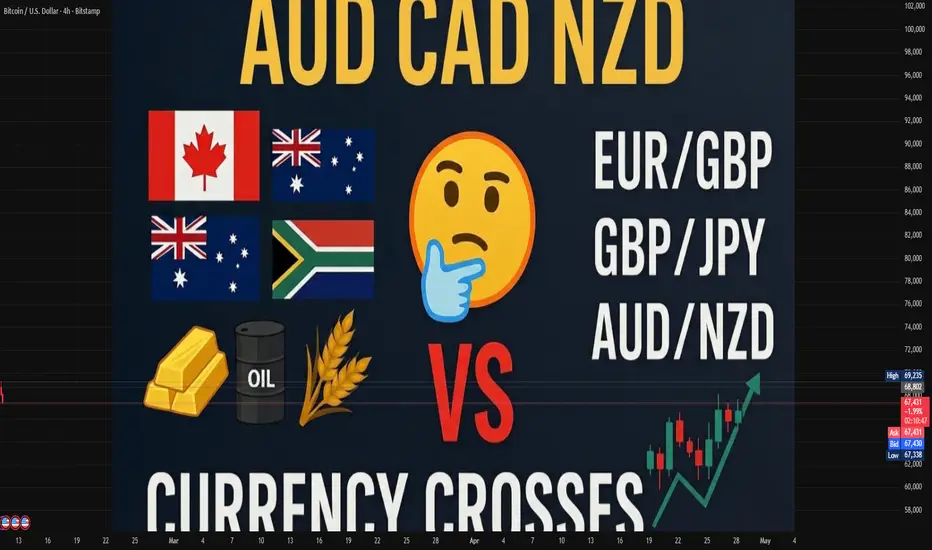
Forex (Currency) Trading: A Comprehensive OverviewIntroduction
Forex, short for “foreign exchange,” is the largest and most liquid financial market in the world. Unlike stock markets, Forex operates 24 hours a day, five days a week, and involves the trading of currencies. It is a decentralized global marketplace where currencies are bought, sold, and exchanged at fluctuating prices. Forex trading is essential for international trade, investment, and global business, as it allows companies, governments, and individuals to convert one currency into another.
The Forex market is unique because it is over-the-counter (OTC), meaning transactions occur directly between participants, usually via electronic trading platforms or over the phone, rather than centralized exchanges like the NYSE or NASDAQ.
How Forex Trading Works
In Forex trading, currencies are quoted in pairs, such as EUR/USD, USD/JPY, or GBP/USD. The first currency in the pair is called the base currency, and the second is the quote currency. The price of a currency pair represents how much of the quote currency is needed to buy one unit of the base currency. For example, if EUR/USD = 1.1000, it means 1 Euro costs 1.10 US dollars.
Key Concepts:
Bid and Ask Price:
The bid price is the price at which the market is willing to buy a currency.
The ask price is the price at which the market is willing to sell a currency.
The difference between them is called the spread, which represents the broker’s profit.
Leverage and Margin:
Forex brokers offer leverage, allowing traders to control large positions with a small amount of capital. For example, 50:1 leverage allows a trader to control $50,000 with just $1,000.
Margin is the amount of money a trader must deposit to open a leveraged position. While leverage can amplify profits, it can also magnify losses, making risk management critical.
Lot Sizes:
Forex trades are executed in standard sizes called lots:
Standard Lot: 100,000 units of base currency
Mini Lot: 10,000 units
Micro Lot: 1,000 units
Nano Lot: 100 units
Choosing the right lot size is essential to balance potential profits with risk.
Pips and Pip Value:
A pip (percentage in point) is the smallest price movement in a currency pair. Most currency pairs are quoted to four decimal places, so 0.0001 USD is one pip for pairs like EUR/USD. Traders use pips to measure gains or losses.
Participants in the Forex Market
The Forex market includes a wide range of participants:
Central Banks and Governments:
They intervene to stabilize their national currency or implement monetary policy. For example, the Federal Reserve may buy or sell dollars to influence the USD’s value.
Commercial Banks and Financial Institutions:
They provide liquidity and trade on behalf of clients or for proprietary profit.
Corporations:
Companies engaged in international trade use Forex to hedge currency risk. For example, an Indian exporter receiving payments in USD might convert it to INR.
Retail Traders:
Individual traders speculate on currency price movements to profit. Retail Forex trading has grown rapidly thanks to online platforms and leverage.
Types of Forex Trading
Forex trading can be approached in multiple ways:
Spot Forex:
The immediate exchange of currencies at the current market price. Most retail traders participate in the spot market.
Forward Forex Contracts:
Agreements to exchange currencies at a future date and at a predetermined rate. Often used by corporations to hedge risk.
Futures Forex Contracts:
Standardized contracts traded on exchanges like CME, specifying the amount, price, and delivery date for currencies.
Options and CFDs:
Options give the right, but not the obligation, to buy or sell a currency at a future date.
CFDs (Contracts for Difference) allow speculation on currency movements without owning the actual currency.
Major, Minor, and Exotic Currency Pairs
Currencies are categorized based on liquidity and popularity:
Major Pairs:
Include the most traded currencies, always involving USD, e.g., EUR/USD, USD/JPY, GBP/USD, USD/CHF.
Minor Pairs (Crosses):
Pairs that do not include USD, e.g., EUR/GBP, AUD/NZD.
Exotic Pairs:
Combinations of a major currency with a currency from an emerging market, e.g., USD/TRY (US Dollar/Turkish Lira). Exotics tend to be more volatile and less liquid.
Factors Affecting Currency Prices
Currency prices fluctuate due to multiple factors:
Economic Indicators:
GDP growth, employment data, inflation, and trade balances influence currency value.
Central Bank Policy:
Interest rates and monetary policy decisions impact currency strength.
Political Stability:
Elections, geopolitical tensions, and policy changes create volatility.
Market Sentiment:
Traders’ perceptions, speculation, and risk appetite drive short-term movements.
Global Events:
Natural disasters, pandemics, and trade agreements can cause sharp currency swings.
Trading Strategies
Technical Analysis:
Traders analyze charts, trends, support/resistance levels, and indicators (RSI, MACD, moving averages) to predict price movements.
Fundamental Analysis:
Focuses on macroeconomic data, interest rates, and geopolitical events to make trading decisions.
Trend Following:
Traders follow prevailing market trends, buying in an uptrend and selling in a downtrend.
Range Trading:
Profiting from price fluctuations within defined support and resistance levels.
Scalping and Day Trading:
Short-term strategies focusing on small price movements, often using high leverage.
Risks in Forex Trading
While Forex trading offers opportunities, it is high-risk:
Leverage Risk:
Amplifies both profits and losses. A wrong trade can wipe out an account quickly.
Market Risk:
Unpredictable economic or geopolitical events can cause sudden swings.
Interest Rate Risk:
Changes in interest rates affect currency valuations.
Liquidity Risk:
Some exotic currencies may lack liquidity, leading to difficulty entering or exiting positions.
Psychological Risk:
Emotions like fear and greed can lead to impulsive trading decisions.
Advantages of Forex Trading
High Liquidity:
Trillions of dollars are traded daily, ensuring easy entry and exit.
24-Hour Market:
Traders can trade around the clock, accommodating different time zones.
Leverage Opportunities:
Allows small capital to control large positions.
Diverse Strategies:
Forex supports long-term investing, day trading, swing trading, and scalping.
Conclusion
Forex trading is a dynamic and complex financial market that offers vast opportunities for profit, hedging, and international business operations. However, its decentralized nature, high leverage, and rapid fluctuations make it a high-risk endeavor requiring knowledge, discipline, and a robust risk management strategy. Successful Forex traders combine technical and fundamental analysis, stay updated with global economic events, and maintain emotional control to navigate the market effectively.
In today’s digital era, retail traders have unprecedented access to Forex through online platforms, brokers, and educational resources. While it can be rewarding, Forex trading is not a “get-rich-quick” scheme—it demands patience, continuous learning, and practical experience. Understanding market mechanics, currency behavior, and risk management is key to achieving long-term success in this fast-paced and fascinating financial world.
Speculative Path-1 for Bitcoin for 2026Bitcoin ( BITSTAMP:BTCUSD ) price action has been showing a lot of weakness lately, even though equities and metals are in bullish zones. That's the nature of the cycle of this asset class that we have to deal with.
In Q1, we may see Bitcoin drift to $74,000 levels, where it will make a local bottom. This scenario will be accompanied by a correction in equity and commodity markets due to the looming fear of recession.
With the possible change of helm at the Federal Reserve and the likelihood of interest rate cuts, we may observe a countertrend rally towards $87,000. And that will become an inflection point for two possible scenarios. Today, we are discussing the Part-1 scenarios that has higher possibility.
At $87,000, we may face resistance at the price levels and the 20WSMA/21WEMA, which can trigger a downward slide towards $68,000 in Q2. With a possible formation of a bearish head and shoulders pattern, with $74,000 as the neckline being breached, new short sellers will enter the market. But it's noteworthy to mention that the $65,000-$69,000 levels were the top of the 2021 bull market, which will act as a strong support going forward.
Again, a snappy countertrend rally can take the prices to $80,000 levels in Q3. The final bottom may happen in Q4 at around $65,000-$69,000 levels, where the prices will meet the 200WSMA. This moving average has been the single most important factor when it comes to searching for Bitcoin market bottoms.
Even on the BTC Power Law chart, we will then enter the ultimate bullish zone for buying. At the lowest gray band, between $66,000-$74,000 levels, long-term investors will step in.
With an unconvincing/incomplete bearish H&S pattern and a lot of shorts in the system, that's when the new bull market will start.
I will present the Part-2 scenario in a different post.
HINDZINC 1 Month Time Frame 📍 Current Price Snapshot (latest close / recent trade)
HINDZINC is trading around ~₹628–₹630 on NSE/BSE — after some volatility in recent sessions. Its 52‑week high is ~₹733 and 52‑week low ~₹378.15, showing wide longer‑term movement.
🛠 1‑Month Technical Levels (Support & Resistance)
These are the key zones traders watch for a 1‑month period based on pivot analysis and recent price action:
🔼 Resistance Levels (Upside Targets)
1. ₹705 – ₹715: Immediate resistance zone around recent highs and pivot R1/R2 cluster.
2. ₹735 – ₹750: Next major supply/resistance area — crossing this would signal stronger upside continuation.
3. ₹760 – ₹780+: Extended breakout zone if sentiment turns sharply bullish (higher targets from pivot extensions).
📌 Overall, ₹705–₹715 is the near‑term hurdle the stock needs to clear for a bullish run.
🔽 Support Levels (Downside Price Floors)
1. ₹690 – ₹700: First strong support near recent consolidation lows/pivot S1.
2. ₹670 – ₹680: Secondary support — a deeper pullback zone.
3. ₹650 – ₹660: Key base area — breakdown below this can signal more downside pressure.
4. ₹620 – ₹630: Major structural support if broad market or metals weakness intensifies.
📌 The ₹670–₹700 band acts as the core support area this month.
⚠️ Quick Summary
✔ Above ₹705–₹715 = bullish continuation likely.
✔ Between ₹670–₹700 = consolidation zone.
✔ Below ₹650 = risk of deeper retracement.
Finolex Cables Daily Chart on Price action A daily price action with EMAs, trendlines, and RSI.
1. Price Action & EMAs: The stock is trading at ₹722.25 with a +1.61% gain. The price is below the EMAs (orange 200, green 100, blue 55, red 21), indicating a bearish trend in the short to medium term. The EMAs are sloping downward, suggesting continued weakness.
2. Trendline: A white ascending trendline acts as support near ₹700–₹710. The recent price is testing this line, showing potential for a bounce if it holds.
3. RSI: The RSI (purple line at the bottom) is around 40, indicating neutral to slightly bearish momentum with no extreme oversold or overbought conditions.
The RSI is forming a rising base, hinting at possible positive divergence. . This is a Bullish Divergence when the price makes a lower low, but the RSI forms a higher low. It suggests weakening downside momentum and a possible upcoming upward reversal.
4. The View: The stock shows signs of consolidation near the support trendline. A break above the nearest EMA (red line, ~₹740) could signal short-term bullishness, while a fall below the trendline may trigger further downside.
Divergence alone isn’t a trade signal; it warns of momentum shifts.
Combine with price action (breakouts, support/resistance) for confirmation.
RSI levels (40/70 or 60/80) can add context to divergence strength.
Over-reliance without confirming price action may lead to premature trades.
Possible Price Action:
Buy if Price crosses above the nearest EMA (red/short‑term EMA ≈ ₹740) with the EMA turning flat or upward.
Volume confirmation: The crossover occurs on above‑average volume (at least 1.5× the 20‑day average volume), showing strong buying interest.
Target: Close above ₹740–₹745, indicating a shift from bearish to bullish EMA alignment.
Exit (Sell) Conditions:
Profit target: Sell when the price reaches the next EMA resistance or target zone ₹780–₹800, accompanied by decreasing volume or profit‑taking signals.
Stop loss: Place a stop‑loss at ₹695–₹700 (below the trendline support and recent low) to protect against EMA breakdown. Trigger on high volume if the price breaches this level, confirming a reversal.
PAGEIND M PATTREN BREAKDOWN 31 01 2026📈 1) Pageind Pattern Structure: M-Pattern / Double Top
An M-Pattern (Double Top) is a bearish reversal pattern with the following components:
Left Top → Right Top ≈ equal highs
Neckline → horizontal support connecting the swing lows between tops
Breakdown → close below the neckline confirms the pattern
CHART LINES :
🔴 Double Top Peak (Both Tops): ~50500
🟢 Neckline / Base Low: ~34000
Support Line : ~17600
👉 This creates a classic M-Pattern.
2) Price Projection (Measured Move)
Calculation: Percentage Move from Neckline to Bottom Target
Top: 50,500
Neckline: 34,000
The distance from Top to Neckline is: 50,500 − 34,000 = 16,500
Measured from the neckline downward, the target projection is:
34,000−16,500=17,500
Your next major support is ~17,600, which is almost exactly the measured move target.
Now, calculate the % move from Neckline (34,000) to Target in downside (17,600):
34,000−17,600
So:
✅ Projected target from neckline to support ~17,600 ⇒ ~48% decline
📊 3) Daily Breakdown Confirmation
I noted that the last two days have broken down below the neckline:
A close below neckline signals a confirmed breakdown