Narrative Drives MarketThe Concept of Narrative in Markets
A narrative in the financial context is essentially a story that explains why an asset’s price should move in a certain direction. It provides a framework through which investors interpret information and make decisions. Narratives can be explicit, such as corporate press releases or analyst reports, or implicit, emerging from social sentiment, media coverage, or word-of-mouth speculation. These narratives simplify complex economic realities, creating mental shortcuts that help investors process vast amounts of information.
For example, during the dot-com boom of the late 1990s, the narrative was simple: "The Internet is the future, and every company online will grow exponentially." This narrative became a self-fulfilling prophecy, as investors poured money into internet-related stocks, driving prices to unsustainable levels, regardless of underlying earnings or cash flow.
How Narratives Influence Market Behavior
Narratives influence markets through several interconnected mechanisms:
1. Shaping Expectations
Expectations are central to financial markets. Prices are, at any moment, a reflection of what market participants collectively expect for the future. Narratives guide these expectations by framing potential outcomes. For instance, the narrative of “green energy revolution” has driven investment into electric vehicle companies, renewable energy firms, and battery technology innovators. Even in the absence of immediate profitability, the story of a sustainable future has created enormous investor enthusiasm and inflated valuations.
2. Creating Momentum
Markets often trend in the direction of prevailing narratives. When a compelling story gains traction, it attracts attention, capital, and media coverage, which in turn reinforces the narrative. This self-reinforcing loop—sometimes described as a feedback loop—can lead to momentum trading. Social media and online forums have amplified this effect, as seen in phenomena like the GameStop short squeeze, where a narrative spread across Reddit forums drove massive buying, independent of fundamental valuation.
3. Driving Herd Behavior
Narratives appeal to cognitive biases, such as confirmation bias and social proof. People are more likely to invest in assets when they perceive that “everyone else is buying” because the prevailing story validates their decision. Herd behavior can escalate price movements far beyond what fundamentals justify, creating bubbles. The housing market bubble of 2006, fueled by the narrative that "housing prices always go up," exemplifies how widespread belief can drive speculative frenzies.
4. Explaining Complexity
Financial markets are complex systems influenced by innumerable variables, many of which are impossible for any single investor to track. Narratives reduce this complexity into understandable stories. For example, macroeconomic developments, such as central bank interventions, are often simplified into narratives like "the Fed is keeping rates low to support growth," which guides investor behavior even if the underlying mechanics are more nuanced.
Historical Examples of Narrative-Driven Markets
Examining financial history reveals multiple instances where narratives have driven market movements, sometimes with dramatic consequences.
Dot-Com Bubble (1995–2000)
The dot-com era is one of the clearest examples of narrative-driven market exuberance. Investors believed that any company with a ".com" in its name would experience explosive growth. The narrative of “Internet as a new economy” created an investment frenzy. Companies with little to no revenue saw astronomical valuations. Between 1995 and 2000, the NASDAQ Composite index rose nearly 400%, driven largely by the collective belief in the transformative power of the Internet. When the narrative collapsed, so did the market, wiping out trillions in value.
Housing Market Bubble (2000–2007)
The narrative during the early 2000s was that housing prices were a safe, appreciating investment. Financial institutions propagated the story through mortgage-backed securities, rating agencies reinforced it with favorable ratings, and media outlets highlighted the prosperity of rising real estate prices. Investors, homeowners, and banks alike were guided more by this story than by fundamental risks, culminating in the 2008 financial crisis when the narrative unravelled.
Cryptocurrency Mania (2017–2021)
Bitcoin and other cryptocurrencies illustrate how narratives can influence modern markets. The stories vary—from “digital gold” to “the currency of the future”—and have fueled rapid adoption and price surges. In 2017, Bitcoin surged from $1,000 to nearly $20,000 on narratives of decentralized finance and borderless currency. While technical and regulatory factors also played a role, the central driver was collective belief in a transformative story.
Psychological Foundations of Narrative Influence
Behavioral finance and cognitive psychology offer insights into why narratives wield such influence over markets:
1. Cognitive Biases
Humans are wired to favor stories over raw data. Narratives make complex phenomena relatable and memorable. Confirmation bias ensures that investors favor information supporting the prevailing story, ignoring contradictory evidence. This selective perception reinforces market trends and amplifies momentum.
2. Emotional Engagement
Stories evoke emotion, which plays a critical role in decision-making. Fear, greed, optimism, and hope are often triggered by narratives rather than numbers. For example, a compelling story about a small tech startup’s revolutionary product can generate enthusiasm, leading to aggressive investment even when financial statements suggest caution.
3. Social Proof and Collective Belief
Humans are social creatures, influenced by the behavior and opinions of others. In financial markets, the perception that a narrative is widely accepted increases confidence in it, further driving adoption. Social media has magnified this effect, allowing stories to reach millions instantly and create coordinated market action.
Modern Implications of Narrative-Driven Markets
In today’s interconnected and fast-paced financial environment, narratives play an even more powerful role. Several factors have heightened their influence:
1. Social Media Amplification
Platforms like Twitter, Reddit, and LinkedIn enable rapid dissemination of stories and opinions. Narratives can go viral within hours, influencing millions of investors globally. Meme stocks, cryptocurrency pumps, and ESG investing trends are examples of narratives amplified through social media.
2. Algorithmic and Retail Participation
Retail investors, increasingly organized and informed by narratives circulating online, participate in markets at unprecedented scales. Simultaneously, algorithmic trading systems can detect and amplify trends based on sentiment analysis, further linking narratives to price movements.
3. Short-Term Market Volatility
Narratives can create significant short-term volatility. News stories, rumors, and corporate announcements can spark dramatic price swings as the market reacts to perceived stories rather than fundamentals. Companies with strong narrative appeal, such as Tesla under Elon Musk, often experience volatile price movements tied to evolving stories rather than earnings reports alone.
4. Investment and Risk Strategies
Understanding that narratives drive markets has profound implications for risk management and investment strategy. Investors who can identify emerging narratives early may profit from the ensuing market movements. Conversely, awareness of narrative-driven bubbles can help avoid overexposure to overhyped assets.
Case Study: Tesla
Tesla Inc. provides a modern example of narrative-driven valuation. While Tesla produces electric vehicles and solar products, much of its stock price movement has been influenced by the story of Elon Musk as a visionary entrepreneur and the narrative of a sustainable, electric future. Investors often buy into Tesla not merely for present earnings but for the story of technological leadership, market disruption, and environmental transformation. This narrative has propelled Tesla to valuation levels that far exceed traditional automotive companies, reflecting the market’s appetite for compelling stories.
Critiques and Limitations
While narratives are powerful, relying solely on them can be dangerous. Stories can be misleading, incomplete, or deliberately manipulated. Market participants driven exclusively by narratives may overlook fundamentals, leading to bubbles and crashes. Therefore, discerning investors balance narrative awareness with rigorous analysis, using stories to inform intuition rather than dictate decisions.
Conclusion
Financial markets are shaped by more than spreadsheets and economic indicators—they are profoundly influenced by narratives, the stories that investors tell themselves and each other. Narratives simplify complexity, shape expectations, create momentum, and drive collective behavior. From the dot-com bubble to modern cryptocurrency markets, history repeatedly demonstrates that compelling stories can move prices, attract capital, and even create entire market cycles.
In the contemporary environment, where social media accelerates the spread of ideas and retail investors actively participate in markets, understanding narratives is not optional—it is essential. Recognizing the power of stories allows investors to anticipate trends, avoid traps, and harness the collective psychology that drives market movements. Ultimately, markets are human systems, and human systems are shaped by stories. The most successful market participants are those who understand that while numbers inform, narratives inspire.
Trendlineanalysis
Trading Breakouts and Fakeouts: An In-Depth Analysis1. Understanding Breakouts
A breakout occurs when the price of an asset moves beyond a defined support or resistance level with increased volume. These levels act as psychological barriers where buyers or sellers have historically exerted control. A breakout signals a potential new trend and can present a lucrative trading opportunity.
Support Level: A price level where buying interest is strong enough to prevent further decline.
Resistance Level: A price level where selling pressure exceeds buying interest, preventing further ascent.
Breakouts indicate that the equilibrium between supply and demand has shifted, creating a momentum-driven price movement. Traders look for these opportunities as the market often continues moving in the breakout direction, at least in the short term.
Types of Breakouts
Upside Breakout: Occurs when the price moves above a resistance level. Often seen as a bullish signal indicating further upward movement.
Downside Breakout: Happens when the price falls below a support level. This is a bearish signal suggesting continued downward pressure.
Volatility Breakout: Happens when price moves beyond a consolidation range, indicating increased volatility.
Pattern-Based Breakout: Triggered by the completion of chart patterns such as triangles, head-and-shoulders, flags, or rectangles.
2. Factors Driving Breakouts
Breakouts are not random; several market factors contribute to their formation:
Fundamental Drivers: News releases, earnings reports, economic data, geopolitical events, or monetary policy announcements can trigger a breakout.
Technical Triggers: Long-term resistance or support levels, trendlines, and chart patterns attract attention from technical traders, amplifying price movements.
Volume Confirmation: A genuine breakout is usually accompanied by a significant increase in trading volume, signaling strong market interest and conviction.
Market Sentiment: Collective trader psychology plays a role. Fear and greed can accelerate breakouts as traders rush to capitalize on perceived opportunities.
3. Breakout Trading Strategies
Effective breakout trading relies on proper timing, risk management, and confirmation. Below are widely used strategies:
A. Entry Techniques
Wait for Close Beyond Level: Traders often wait for the price to close beyond the support/resistance level rather than reacting to intraday spikes.
Volume Confirmation: Look for above-average trading volume to confirm the breakout's strength.
Breakout Pullback: Sometimes, prices retest the breakout level. Entering after a successful retest can reduce false signals.
B. Risk Management
Stop Loss Placement: Place stop-loss orders slightly below the breakout point for long positions and above for short positions.
Position Sizing: Limit exposure to reduce the impact of sudden reversals.
Target Projection: Measure the height of the previous consolidation range to project price targets post-breakout.
C. Timeframe Consideration
Breakout signals vary across timeframes. Higher timeframes (daily, weekly) tend to offer more reliable breakouts, whereas intraday breakouts (5-min, 15-min charts) are more prone to fakeouts.
4. Understanding Fakeouts
A fakeout is a false breakout where the price moves beyond a key level but quickly reverses direction. Fakeouts can trap traders who enter positions prematurely, leading to losses. Recognizing fakeouts is essential to avoid falling into “breakout traps.”
Why Fakeouts Happen
Liquidity Hunting: Large institutional players may push prices beyond levels temporarily to trigger stop-loss orders of retail traders, then reverse.
Market Manipulation: In illiquid markets, price can be deliberately pushed to create misleading breakouts.
Psychological Reactions: Traders’ overconfidence can lead to impulsive entries, resulting in fakeout scenarios.
Lack of Volume: Breakouts without sufficient volume often fail to sustain, reverting to previous levels.
Common Fakeout Patterns
False Break Above Resistance: Price breaches resistance, but selling pressure soon overwhelms buyers.
False Break Below Support: Price dips below support, only to rebound as buying interest returns.
Wicks or Shadows: Candlestick charts often show long upper or lower shadows indicating rejection at breakout levels.
5. Identifying Fakeouts vs Genuine Breakouts
Differentiating between fakeouts and genuine breakouts requires careful observation:
Volume Analysis: Genuine breakouts are typically supported by strong volume. Low volume breakouts are more likely fakeouts.
Price Action Confirmation: Wait for consecutive closes beyond the level to confirm strength.
Market Context: Analyze broader trends and sentiment. Breakouts in alignment with trends are more reliable.
Indicators: Technical indicators such as RSI, MACD, and Bollinger Bands can provide clues. Divergence or overbought/oversold conditions may hint at potential fakeouts.
Timeframe Cross-Check: Confirm breakouts across multiple timeframes to ensure authenticity.
6. Psychological Aspects of Breakouts and Fakeouts
Trader psychology plays a pivotal role in breakouts and fakeouts:
Herd Mentality: Traders tend to follow momentum blindly, contributing to breakout acceleration or fakeout formation.
Fear and Greed: Overreaction to news or technical signals can trigger impulsive trades.
Confirmation Bias: Traders may convince themselves a breakout is genuine despite contrary signals, increasing susceptibility to fakeouts.
Patience and Discipline: Waiting for confirmation rather than entering prematurely is critical to successful breakout trading.
7. Risk Management Techniques for Breakout Trading
Breakout trading carries inherent risk. Effective strategies include:
Stop Loss Discipline: Placing stop-loss orders near the breakout point prevents large losses.
Diversification: Avoid overexposure to a single asset or breakout signal.
Trailing Stops: Protect profits by moving stops in the breakout direction.
Scaling In and Out: Gradually increase position size as the breakout proves itself, and consider partial exits at price targets.
8. Practical Examples
Example 1: Upside Breakout
Suppose a stock repeatedly tests resistance at $50. One day, it closes at $52 with high volume. Traders who enter the trade expect a continued upward trend. If the breakout is genuine, the price may climb to $60, with stop-losses placed just below $50.
Example 2: Fakeout
The same stock tests $50, briefly spikes to $52, but then falls back below $50 within hours. Traders who entered during the spike are trapped. Observing low volume and short-lived candlestick patterns could have prevented this loss.
9. Tools to Enhance Breakout Trading
Volume Indicators: On-Balance Volume (OBV), Volume Oscillator.
Trend Indicators: Moving Averages, MACD.
Volatility Indicators: Bollinger Bands, ATR (Average True Range).
Chart Patterns: Triangles, Flags, Pennants, Rectangles.
Candlestick Patterns: Engulfing patterns, Pin Bars, Doji formations.
10. Combining Breakout Trading with Other Strategies
Momentum Trading: Breakouts often align with momentum strategies. Combining them can enhance success rates.
Trend Following: Breakouts within strong trends are more likely genuine, offering high-probability trades.
Swing Trading: Breakout and fakeout analysis helps swing traders identify optimal entry and exit points.
Scalping: Intraday traders can exploit small breakout movements but must remain vigilant for fakeouts.
11. Common Mistakes in Breakout Trading
Entering Too Early: Jumping in before confirmation increases exposure to fakeouts.
Ignoring Volume: Trading breakouts without volume analysis often leads to losses.
Overleveraging: Using high leverage on breakouts can amplify losses during reversals.
Failure to Adjust Stops: Not trailing stop-losses or adjusting targets can erode profits.
Neglecting Market Context: Breakouts against the trend are riskier and more likely to fail.
12. Conclusion
Breakout and fakeout trading are fundamental concepts in technical analysis that offer lucrative opportunities when approached strategically. Breakouts signal market shifts and potential trend formations, while fakeouts remind traders of the risks associated with premature or misinformed entries. Successful trading requires a combination of:
Technical skills (chart analysis, pattern recognition, volume study)
Psychological discipline (patience, fear management, avoiding herd behavior)
Risk management (stop-loss placement, position sizing, diversification)
By understanding market mechanics, observing price and volume behavior, and integrating breakout and fakeout strategies with other trading techniques, traders can navigate financial markets more confidently and minimize the pitfalls of false signals. Ultimately, mastering breakouts and fakeouts equips traders with a sharper lens through which to interpret market movements and maximize returns.
Derivative Trading Secrets: The Power of Financial Instruments1. Understanding Derivatives: The Foundation of Trading
At its core, a derivative is a financial instrument whose value depends on the price of an underlying asset. This underlying asset could be a stock, commodity, currency, interest rate, or even another derivative. Derivatives allow traders to speculate on price movements, hedge existing positions, and optimize portfolios.
The most common types of derivatives include:
Futures Contracts: Agreements to buy or sell an asset at a predetermined price at a specific future date. Futures are standardized and traded on exchanges.
Options Contracts: Contracts that give the buyer the right, but not the obligation, to buy (call option) or sell (put option) an underlying asset at a specified price before or on a specific date.
Swaps: Agreements to exchange cash flows or other financial instruments between parties, often used for interest rates or currencies.
Forwards: Similar to futures but are customized contracts traded over-the-counter (OTC) instead of on an exchange.
Secret Insight #1: The true power of derivatives lies not in the instruments themselves but in understanding their relationship with the underlying asset. Every option or futures contract is essentially a tool to manage risk or leverage opportunity—but misuse can magnify losses.
2. Leverage: A Double-Edged Sword
One of the most enticing aspects of derivatives is leverage. By putting down a fraction of the asset’s value, traders can control large positions. For instance, with a futures contract, you might control $100,000 worth of stock by investing just $10,000 as margin.
However, leverage is a double-edged sword. While profits can multiply, losses do too. Understanding the margin requirements, initial margin, and maintenance margin is critical. Secretly successful derivative traders treat leverage as a tool for precision, not speculation.
Secret Insight #2: The best traders use leverage conservatively and adjust it dynamically based on market volatility, rather than maximizing exposure blindly.
3. Hedging: Risk Management is the Hidden Key
While derivatives are often associated with speculation, professional traders primarily use them to hedge risk. Hedging involves taking a position in a derivative to offset potential losses in the underlying asset.
Example: A portfolio manager holding a large number of tech stocks may buy put options to protect against a market downturn. If stocks fall, the profit from the put options offsets the loss.
Cross-Hedging: Traders sometimes hedge using derivatives of a correlated asset when a direct hedge is unavailable.
Secret Insight #3: The most powerful secret in derivative trading is that you don’t always need to predict market direction to profit. Proper hedging ensures survival, which is the real foundation of consistent trading success.
4. Options: The Playground of Strategic Trading
Options offer unmatched flexibility, and understanding advanced options strategies separates amateurs from pros. Some commonly used strategies include:
Covered Call: Holding the underlying stock and selling call options to earn premiums while slightly limiting upside.
Protective Put: Buying a put option to protect an existing long position.
Straddles and Strangles: Betting on volatility rather than direction, buying calls and puts simultaneously to profit from big price swings.
Spreads: Using multiple options with different strike prices or expirations to limit risk while maintaining potential profit.
Secret Insight #4: Options are not just instruments for speculation; they are precision tools to tailor your risk-reward profile. Successful traders often combine multiple strategies to create synthetic positions that mimic market exposure while controlling risk.
5. Timing and Volatility: The Invisible Forces
A critical, often underappreciated, aspect of derivative trading is timing. Unlike stocks, the value of options and futures is heavily influenced by time decay (theta) and implied volatility (IV).
Time Decay: Options lose value as expiration approaches, a phenomenon most novice traders underestimate.
Implied Volatility: Options pricing depends on expected future volatility. Traders who anticipate shifts in IV can profit even if the underlying price remains steady.
Secret Insight #5: Mastering derivatives is largely about mastering the clock and the market’s emotional state. High volatility periods are opportunities for premium collection, while calm markets favor directional bets.
6. Arbitrage and Mispricing: The Professional Edge
Arbitrage opportunities arise when derivatives are mispriced relative to their underlying assets. For instance, a futures contract trading below its theoretical fair value creates a cash-and-carry arbitrage opportunity. Similarly, options mispricing can be exploited via synthetic positions.
Secret Insight #6: Most retail traders compete to predict price direction, while professionals often profit from inefficiencies and mispricings. Knowing when the market is wrong can be more profitable than knowing when it is right.
7. The Psychology of Derivative Trading
A secret often hidden in textbooks is that derivative trading is as much psychological as technical. The leverage and speed of derivatives amplify emotions—fear and greed can lead to catastrophic losses. Successful traders exhibit:
Discipline: Strict adherence to trading plans and risk limits.
Patience: Waiting for high-probability setups rather than chasing the market.
Adaptability: Adjusting positions dynamically based on market conditions rather than stubbornly sticking to predictions.
Secret Insight #7: Emotional intelligence is a derivative trader’s secret weapon. The market always offers opportunities, but controlling yourself ensures survival and long-term profitability.
8. Risk Management: Protect First, Profit Later
Perhaps the most critical secret in derivative trading is risk management. Traders often focus on potential profit while neglecting potential losses. Key principles include:
Position Sizing: Never risk more than a small percentage of total capital on a single trade.
Stop Losses: Automated or mental exit points prevent small losses from becoming catastrophic.
Portfolio Hedging: Diversifying exposure across different assets, sectors, or derivative types.
Margin Monitoring: Avoid over-leverage, which can trigger margin calls in volatile markets.
Secret Insight #8: The goal is not to win every trade but to avoid ruin. Derivative trading secrets favor survival and compounding small wins over chasing high-risk “big wins.”
9. Insider Tools and Data: The Market Edge
Advanced traders gain an edge by leveraging tools that provide insight into market positioning:
Open Interest and Volume Analysis: Tracking changes in futures and options can reveal market sentiment.
Implied Volatility Surfaces: Understanding IV across strikes and expirations helps spot mispricing.
Correlation and Greeks Analysis: Delta, gamma, theta, vega, and rho metrics allow traders to quantify sensitivity to market changes.
Secret Insight #9: Successful derivative traders treat data as fuel. Knowing how the market is positioned can help anticipate moves before they happen.
10. Continuous Learning: The Lifelong Secret
Derivatives are dynamic; markets evolve, instruments get more complex, and strategies shift with regulatory and economic changes. Traders who stay ahead are lifelong students, constantly refining:
Market models
Pricing techniques
Strategy combinations
Risk management rules
Secret Insight #10: The single most reliable secret of derivative trading is humility. Accepting that the market can always surprise you ensures you remain flexible and avoid catastrophic losses.
11. Practical Takeaways for Aspiring Traders
Start Small: Begin with simulated or small-size trades to master instruments.
Focus on One Market: Specialize in one type of derivative—options, futures, or swaps—before diversifying.
Document Every Trade: Learn from successes and failures to refine strategies.
Avoid Over-Leverage: Leverage magnifies losses as much as gains; control it carefully.
Master Volatility: Understand how time decay and implied volatility impact pricing.
Hedge Thoughtfully: Protecting capital is more important than chasing profits.
Conclusion
Derivative trading is not just about predicting market direction. It is about mastering risk, timing, leverage, and psychology. Professionals profit by understanding mispricings, managing exposure, and exploiting volatility intelligently. The secrets of derivatives lie in subtlety—small edges, disciplined risk management, and continuous learning compound over time into substantial returns.
Success in derivative trading is less about luck and more about precision, patience, and protection. Those who master these principles can unlock the true potential of derivatives—an opportunity to control risk, amplify gains, and thrive in even the most volatile markets.
Option Trading StrategiesIntroduction
Option trading is one of the most dynamic and flexible segments of the financial markets. Unlike traditional stock trading, which involves buying or selling shares outright, options provide traders the right but not the obligation to buy or sell an asset at a predetermined price on or before a specified date. This flexibility makes options powerful tools for hedging, speculation, and income generation. However, they require a deep understanding of pricing, volatility, and market behavior. In this essay, we’ll explore the foundations of option trading, key strategies for different market conditions, risk management principles, and how professional traders use options to optimize returns.
Understanding Options: The Basics
Options are derivatives—financial instruments that derive their value from an underlying asset such as stocks, indices, commodities, or currencies. There are two primary types of options:
Call Options:
A call option gives the holder the right to buy the underlying asset at a specific price (called the strike price) before or on the expiration date.
Put Options:
A put option gives the holder the right to sell the underlying asset at the strike price before or on the expiration date.
When traders buy options, they pay a premium—the cost of acquiring the option. Sellers (also called writers) receive this premium and take on the obligation to fulfill the contract if exercised.
Key Concepts in Option Trading
Before diving into strategies, it’s essential to understand the factors influencing option prices and risk:
Intrinsic Value: The actual value if exercised immediately. For a call, it’s the difference between the current price and the strike price (if positive).
Time Value: Reflects the potential for the option to gain value before expiration. Longer expiries usually mean higher time value.
Volatility: Measures how much the underlying asset’s price fluctuates. Higher volatility typically increases option premiums.
The Greeks: Metrics that quantify risk and sensitivity.
Delta: Measures how much the option price moves per unit change in the underlying asset.
Gamma: Tracks the rate of change of delta.
Theta: Represents time decay—how much value an option loses daily as expiration nears.
Vega: Sensitivity to changes in volatility.
Rho: Measures sensitivity to interest rate changes.
Understanding these metrics helps traders manage positions strategically rather than speculatively.
Option Trading Strategies
Option trading strategies can be broadly categorized into bullish, bearish, neutral, and volatility-based approaches. Below is a breakdown of the most commonly used strategies for each scenario.
1. Bullish Strategies
When traders expect prices to rise, they can use bullish strategies to profit while managing risk.
a. Long Call
Objective: Profit from a significant upward move.
Structure: Buy one call option.
Risk: Limited to the premium paid.
Reward: Theoretically unlimited as the price rises.
This is a simple directional play where the trader benefits if the underlying asset moves well above the strike price before expiration.
b. Bull Call Spread
Objective: Moderate bullish view with reduced cost.
Structure: Buy a call at a lower strike and sell a call at a higher strike (same expiration).
Risk: Limited to the net premium paid.
Reward: Capped at the difference between strikes minus cost.
This strategy reduces the upfront premium compared to a long call while capping the maximum gain.
c. Cash-Secured Put
Objective: Acquire stock at a discount or earn income.
Structure: Sell a put while holding enough cash to buy the stock if assigned.
Risk: Potential loss if the stock falls sharply.
Reward: Premium received.
Traders use this to generate steady income while positioning to buy quality stocks at lower prices.
2. Bearish Strategies
When the outlook is negative, traders adopt bearish strategies to profit from falling prices.
a. Long Put
Objective: Profit from a significant downward move.
Structure: Buy one put option.
Risk: Limited to the premium paid.
Reward: Substantial, as the underlying approaches zero.
A long put acts like shorting a stock but with defined risk.
b. Bear Put Spread
Objective: Moderate bearish expectation with cost efficiency.
Structure: Buy a put at a higher strike and sell another at a lower strike.
Risk: Limited to the net cost.
Reward: Limited to the difference between strikes minus cost.
This strategy benefits from moderate price declines and reduces premium outlay.
c. Covered Call (Bearish to Neutral Adjustment)
Objective: Generate income when holding a stock expected to stay flat or slightly decline.
Structure: Own the stock and sell a call option.
Risk: Downside exposure from stock ownership.
Reward: Premium plus any stock appreciation up to strike.
3. Neutral Strategies
When traders expect little price movement, they can capitalize on time decay or stable prices.
a. Iron Condor
Objective: Profit from low volatility.
Structure: Combine a bull put spread and a bear call spread.
Risk: Limited to the difference between strikes minus total premium received.
Reward: Limited to the net premium received.
Iron condors work best when the underlying trades within a defined range, allowing both sides to expire worthless.
b. Butterfly Spread
Objective: Profit from a stable underlying price.
Structure: Buy one call (or put) at a lower strike, sell two at a middle strike, and buy one at a higher strike.
Risk: Limited to cost.
Reward: Maximum at the middle strike at expiration.
This is a precision strategy ideal for range-bound markets.
c. Calendar Spread
Objective: Benefit from time decay differences.
Structure: Sell a near-term option and buy a longer-term option at the same strike.
Risk: Limited to initial cost.
Reward: Profit from slower time decay of the long option.
Calendar spreads exploit differing decay rates between short-term and long-term options.
4. Volatility-Based Strategies
These strategies focus on changes in volatility rather than price direction.
a. Straddle
Objective: Profit from large movements either up or down.
Structure: Buy one call and one put at the same strike and expiration.
Risk: Combined premium paid.
Reward: Unlimited potential on one side.
Straddles are useful before major news events or earnings announcements.
b. Strangle
Objective: Similar to straddle but cheaper.
Structure: Buy a call and put with different strike prices.
Risk: Lower premium cost.
Reward: Unlimited upside or significant downside.
This strategy works when a trader expects major volatility but is unsure of direction.
c. Vega Trading (Volatility Arbitrage)
Objective: Trade volatility itself.
Structure: Long or short volatility via options, regardless of direction.
Risk/Reward: Based on volatility change rather than price.
Professional traders often hedge such positions using futures or underlying shares.
Advanced and Professional Option Strategies
Experienced traders and institutions often employ complex, multi-leg strategies:
Ratio Spreads: Involves buying one option and selling multiple of another to benefit from small directional moves with volatility decay.
Box Spread (Arbitrage): A risk-free structure exploiting mispriced options to lock in small profits.
Protective Collar: Own stock, buy a put, and sell a call to limit downside while capping upside.
Delta-Neutral Trading: Balancing positions so overall delta equals zero, allowing profits from volatility and time decay rather than direction.
These advanced methods require constant adjustment (known as dynamic hedging) and deep knowledge of the Greeks.
Risk Management in Option Trading
Options can magnify both profit and loss. Effective traders prioritize risk management over speculation:
Position Sizing: Never risk more than a small percentage of capital per trade.
Stop-Loss and Adjustment: Closing or adjusting losing trades early prevents large drawdowns.
Volatility Awareness: Avoid selling naked options in highly volatile environments.
Diversification: Spread exposure across sectors, strikes, and expiration dates.
Greeks Monitoring: Keeping delta, gamma, and theta balanced helps maintain controlled exposure.
Psychology of Option Trading
Emotional discipline is as important as technical skill. Traders must avoid:
Overleveraging based on short-term profits.
Chasing volatile trades without understanding volatility pricing.
Ignoring the impact of time decay (theta burn).
Successful option traders approach the market with a probabilistic mindset—thinking in terms of risk-reward ratios, probability of profit, and expected value rather than absolute certainty.
Option Trading in the Global and Indian Markets
Globally, option markets such as the CBOE (Chicago Board Options Exchange) and Eurex dominate institutional trading volumes. In India, the NSE (National Stock Exchange) has become one of the largest options markets, with the NIFTY and BANKNIFTY options leading in liquidity.
Indian retail participation has surged due to low capital requirements and technological ease. However, many traders misunderstand the risks of selling naked options or holding positions till expiry, where time decay accelerates.
Regulators like SEBI have emphasized investor education, margin discipline, and transparency to ensure sustainable participation.
Advantages of Option Trading
Flexibility: Profit in any market condition—up, down, or sideways.
Leverage: Control large positions with small capital.
Defined Risk: Losses are predetermined in most strategies.
Hedging Tool: Protect portfolios against adverse movements.
Income Generation: Through premium collection in neutral markets.
Disadvantages and Challenges
Complexity: Requires deep knowledge of pricing models and Greeks.
Time Decay: Erodes option value quickly near expiry.
Volatility Risk: Sudden volatility drops can cause losses.
Liquidity Issues: Some strikes have wide bid-ask spreads.
Psychological Pressure: High leverage can lead to emotional trading.
Conclusion
Option trading is a sophisticated and versatile component of modern financial markets. It empowers traders and investors to customize risk, hedge portfolios, and generate income across all market conditions. However, it demands education, discipline, and a structured approach. Successful traders master both the art and science of options—balancing technical analysis, volatility insights, and emotional control.
In essence, options are not just speculative instruments—they are strategic tools. Whether one uses them to hedge against uncertainty, generate consistent income, or speculate on directional moves, mastering option trading strategies opens doors to deeper understanding, higher efficiency, and sustainable profitability in the financial markets.
Part 2 Ride The Big Moves American vs. European Options
Options can be American-style or European-style. American options can be exercised any time before expiry, while European options can be exercised only on the expiry date. In India, stock options are American, while index options are European.
In-the-Money, At-the-Money, and Out-of-the-Money
These terms describe an option’s relationship to the current market price:
In-the-Money (ITM): Option has intrinsic value.
At-the-Money (ATM): Strike price equals the current price.
Out-of-the-Money (OTM): Option has no intrinsic value yet.
MOTILALOFS 1 Month Time Frame 📊 Monthly Pivot Levels
Based on monthly pivot calculations, the key levels are:
Resistance (R1): ₹1,013.47
Pivot Point (PP): ₹953.53
Support (S1): ₹906.57
These levels are derived from the price range of the previous trading month and can serve as potential indicators for future price movements.
📈 Recent Price Performance (1-Month)
Highest Price: ₹1,030.00
Lowest Price: ₹877.70
Average Price: ₹958.50
Price Change: +₹152.30 (8.63% increase)
Over the past month, the stock has shown a positive trend, reaching its highest point at ₹1,030.00.
BTC 1 Week Time Frame 📊 1-Week Timeframe: Key Support & Resistance Levels
🔼 Resistance Levels
1st Resistance: $114,106
2nd Resistance: $117,201
3rd Resistance: $120,485
🔽 Support Levels
1st Support: $107,728
2nd Support: $104,445
3rd Support: $101,349
These levels are derived from Barchart's technical analysis.
M&M 1 Month Time Frame 📊 Monthly Technical Overview
Current Price: ₹3,621.20
52-Week Range: ₹2,425.00 – ₹3,723.80
Recent High: ₹3,723.00 (September 9, 2025)
📈 Market Sentiment
The recent GST tax cut on SUVs with engines over 1500 cc has positively impacted Mahindra's sales, particularly for models like the Scorpio and XUV700. September 2025 saw a 10% year-on-year increase in SUV sales to dealers, and the first nine days of the Navratri festival recorded a more than 60% year-on-year sales increase.
NIFTY1! 1 Hour Time Frame 🔄 Key Levels to Watch
Support Levels: Approximately ₹25,600. A bounce from this area could indicate a potential upward movement.
Resistance Levels: Around ₹25,900. A breakout above this level may signal a continuation of the upward trend.
📌 Pivot Points for Reference
Based on daily and weekly pivot calculations, key levels include:
Daily Pivot: ₹25,709.67
Weekly Pivot: ₹25,974.00
These levels can serve as potential support or resistance zones.
INDHOTEL 1 Month Time Frame 📊 1-Month Stock Performance
Current Price: ₹744.25
1-Month Change: Approximately -3.43% decline
52-Week Range: ₹649.00 – ₹894.90
🔍 Key Insights
Recent High: ₹748.00 on October 21, 2025
Recent Low: ₹741.00 on October 21, 2025
Analyst Sentiment: Analysts have recommended shares of companies with strong fundamentals and long-term growth potential, advising investors to hold these stocks till next Diwali for bumper returns
HFCL 1 Month Time Frame 📊 Monthly Technical Indicators
RSI (14-day): 57.91 — Neutral
Stochastic RSI: 72.52 — Neutral
MACD: 0.64 — Slightly bullish
ADX (14): 18.80 — Weak trend strength
Commodity Channel Index (CCI): 26.28 — Neutral
Rate of Change (ROC): 4.63% — Positive momentum
Williams %R: -51.95 — Neutral
Ultimate Oscillator: 48.33 — Neutral
Average True Range (ATR): ₹2.67 — Moderate volatility
📈 Moving Averages
Short-Term (5, 10, 20-day): Bullish
Medium-Term (50-day): Bullish
Long-Term (100, 200-day): Bearish
🧭 Key Support & Resistance Levels
Support Levels: ₹76.43 (S1), ₹75.73 (S2), ₹74.86 (S3)
Resistance Levels: ₹78.12 (R1), ₹79.06 (R2), ₹80.00 (R3)
Part 1 Ride The Big Moves American vs. European Options
Options can be American-style or European-style. American options can be exercised any time before expiry, while European options can be exercised only on the expiry date. In India, stock options are American, while index options are European.
In-the-Money, At-the-Money, and Out-of-the-Money
These terms describe an option’s relationship to the current market price:
In-the-Money (ITM): Option has intrinsic value.
At-the-Money (ATM): Strike price equals the current price.
Out-of-the-Money (OTM): Option has no intrinsic value yet.
PCR Trading Strategies Option Greeks – Risk Indicators
“Greeks” like Delta, Gamma, Theta, Vega, and Rho measure how sensitive an option’s price is to factors such as the underlying asset’s price, volatility, time decay, and interest rates. They help traders assess risk precisely.
Strategies and Combinations
Traders combine calls and puts to create option strategies such as straddles, strangles, spreads, and iron condors. These allow profit from different market conditions—rising, falling, or even sideways trends.
Part 1 Support and Resistance Option Buyers vs. Sellers
Buyers have limited risk (only the premium paid) but unlimited profit potential.
Sellers (writers) have limited profit (the premium received) but potentially unlimited loss, especially in uncovered positions.
Leverage and Capital Efficiency
Options allow traders to control large positions with a small investment. This leverage magnifies both profits and losses, making options powerful but risky tools for speculation or hedging.
Part 2 Support and Resistance Intrinsic and Time Value
An option’s price consists of two parts:
Intrinsic Value: The actual profit if exercised now.
Time Value: The extra value based on time left until expiry and volatility expectations.
Hedging and Risk Management
Investors use options to hedge against adverse price movements. For example, holding puts can protect a stock portfolio from market declines—similar to buying insurance.
Bank of Maharashtra cmp 60.03 by Daily Chart viewBank of Maharashtra cmp 60.03 by Daily Chart view
- Support Zone 53.50 to 56.50 Price Band
- Resistance Zone 61.50 to 64.50 Price Band
- Bullish Head & Shoulders plus Rounding Bottoms around Support Zone
- Breakout from Falling Resistance Trendline and Rising Support Trendline maintained
- Volume are in close sync with avg traded quantity and spiking heavily over past few days
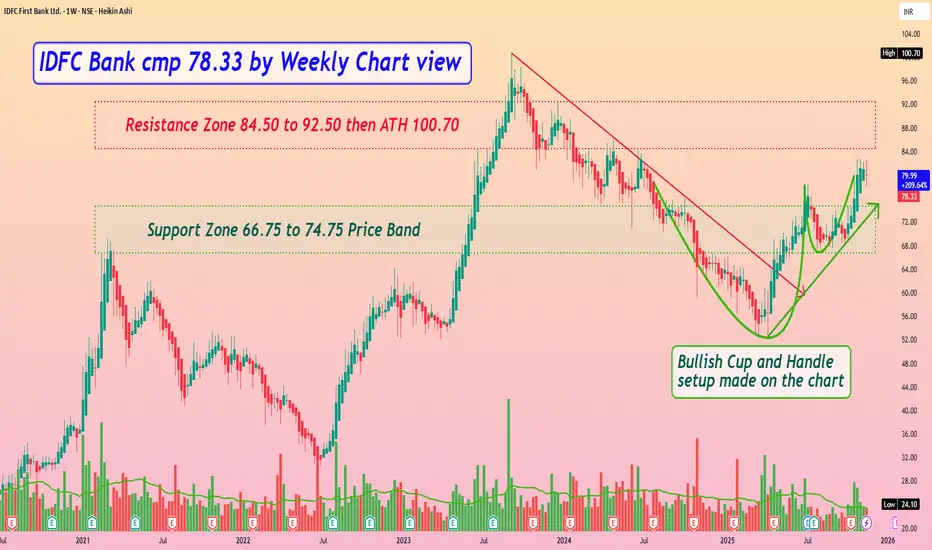
Ujjivan Small Finance cmp 50.24 by Weekly Chart view since listeUjjivan Small Finance cmp 50.24 by Weekly Chart view since listed
- Support Zone 41.25 to 45.75 Price Band
- Resistance Zone 52.25 to 56.25 Price Band
- Bullish Cup & Handle formed by Resistance Zone neckline
- Volumes spiking intermittently by a close sync with avg traded qty
Part 2 Candle Stick PatternStrike Price and Expiry Date
Every option has a strike price (the agreed-upon price for buying/selling) and an expiry date (the last date the option can be exercised). These two factors determine an option’s time value and overall profitability.
Premium – The Cost of the Option
The premium is the price paid by the buyer to the seller (writer) of the option. It represents the maximum loss for the buyer and potential profit for the seller if the option expires worthless.
The Role of Futures Trading in India:Futures Trading Role in India
Futures trading, a vital component of financial markets, has gradually carved a significant niche in India’s economic landscape. It is a type of derivative instrument where two parties agree to buy or sell an asset at a predetermined price at a specified future date. These instruments play an essential role in risk management, price discovery, and enhancing market liquidity. India, being a rapidly growing economy with increasing integration into global financial markets, has seen substantial evolution in its futures trading segment over the last two decades.
1. Historical Context of Futures Trading in India
Futures trading in India dates back to the pre-independence era, primarily focused on agricultural commodities. Traditional forward contracts existed informally among farmers, traders, and merchants. However, with modernization and regulatory oversight, formal commodity futures markets emerged. The establishment of the Forward Markets Commission (FMC) in 1953 marked the beginning of a regulated framework for futures trading. Initially, trading was largely concentrated in agricultural commodities like cotton, jute, and grains.
The 1990s economic liberalization in India marked a turning point. Financial sector reforms, introduction of electronic trading, and liberal policies facilitated the growth of derivative instruments, particularly stock and index futures. The Securities and Exchange Board of India (SEBI) allowed the introduction of futures and options (F&O) on equities in 2000, providing investors and traders new avenues to hedge risk and speculate on price movements. Today, both commodity and financial futures markets are integral parts of India’s capital markets ecosystem.
2. Structure of Futures Markets in India
India has a well-defined framework for futures trading governed by SEBI for financial derivatives and previously FMC for commodity derivatives (now merged with SEBI in 2015). Futures contracts are traded on recognized exchanges like:
National Stock Exchange (NSE)
Bombay Stock Exchange (BSE)
Multi Commodity Exchange (MCX)
National Commodity & Derivatives Exchange (NCDEX)
Futures contracts in India cover various asset classes including equities, indices, commodities (metals, energy, agricultural products), and currencies. Standardized contracts ensure uniformity in terms of quantity, quality, delivery dates, and settlement procedures. Such regulation reduces counterparty risk, a critical factor in promoting investor confidence.
3. Functions and Role of Futures Trading
Futures trading serves several important functions in India’s financial ecosystem:
a. Risk Management and Hedging
One of the primary roles of futures trading is risk management. Businesses, farmers, manufacturers, and investors face price volatility in commodities and financial instruments. Futures contracts allow them to hedge against adverse price movements. For instance:
Agricultural Producers: Farmers can lock in a price for crops such as wheat or soybean months before harvest to protect against price drops.
Industrial Users: Companies reliant on raw materials (like metals or oil) use futures contracts to manage cost fluctuations.
Investors and Portfolio Managers: Equity futures allow investors to hedge stock positions against market downturns.
Hedging through futures reduces uncertainty, stabilizes income, and enables better planning for businesses and investors alike.
b. Price Discovery
Futures markets play a critical role in price discovery. The interaction of buyers and sellers, reflecting supply-demand dynamics, expectations, and global trends, helps establish a transparent market price for assets. Indian futures markets, particularly for commodities like crude oil, gold, and agricultural produce, provide real-time pricing signals, enabling market participants to make informed decisions.
c. Liquidity Provision
Futures trading enhances market liquidity. By attracting a wide array of participants—including speculators, hedgers, and arbitrageurs—the volume and turnover increase. This liquidity ensures smoother transactions and narrower bid-ask spreads. It also allows smaller traders to enter markets without impacting prices significantly.
d. Investment and Speculation
While hedging is a primary motive, futures markets also attract speculators seeking profit from price movements. Speculators, by providing liquidity and taking on risk, play a crucial role in market efficiency. Their participation ensures continuous trading and contributes to price discovery mechanisms.
e. Economic Significance
Futures trading has broader economic implications. It encourages capital formation, efficient allocation of resources, and reduces wastage in commodities markets by providing reliable pricing mechanisms. For agricultural commodities, futures markets help minimize distress sales by farmers, leading to better income stability.
4. Key Futures Products in India
a. Equity and Index Futures
Equity futures are contracts to buy or sell shares of companies at a predetermined price on a future date. Index futures, on the other hand, are based on market indices like Nifty 50 or Sensex, allowing investors to hedge or speculate on the broader market movement. These derivatives have grown exponentially, with NSE being one of the largest derivative exchanges globally by volume.
b. Commodity Futures
Commodity futures in India cover agricultural products (like wheat, soybean, cotton), metals (gold, silver, copper), and energy (crude oil, natural gas). Exchanges like MCX and NCDEX facilitate transparent trading, helping farmers, traders, and industries manage risks associated with price volatility.
c. Currency Futures
Currency futures involve trading in INR against major currencies like USD, EUR, GBP, and JPY. These contracts are crucial for exporters, importers, and multinational companies to hedge foreign exchange risk. NSE and BSE provide active platforms for currency derivatives trading.
5. Regulatory Framework
The Securities and Exchange Board of India (SEBI) oversees all financial futures and commodity derivatives markets, ensuring investor protection, transparency, and integrity. Key regulatory measures include:
Mandatory margin requirements to reduce counterparty risk.
Strict position limits to avoid market manipulation.
Settlement guarantee mechanisms to ensure contract fulfillment.
Surveillance and monitoring to prevent insider trading and speculative excesses.
This robust regulatory framework has increased investor confidence and contributed to the growth of India’s futures markets.
6. Advantages of Futures Trading in India
Risk Mitigation: Futures provide a tool to hedge against price volatility and protect investments.
Transparent Price Discovery: Open trading ensures fair market prices, reflecting real-time supply-demand conditions.
Market Efficiency: High liquidity and participation reduce inefficiencies and arbitrage opportunities.
Economic Planning: Predictable pricing helps businesses and policymakers make informed decisions.
Investment Opportunities: Futures markets allow both institutional and retail investors to diversify portfolios and potentially earn profits from short-term price movements.
7. Challenges and Risks
Despite its benefits, futures trading carries certain risks:
Leverage Risk: Futures involve high leverage, which can amplify both profits and losses.
Speculative Excess: Excessive speculation may cause volatility, particularly in commodity markets.
Limited Awareness: Many retail investors lack proper understanding of derivative instruments, leading to potential losses.
Regulatory Complexity: Compliance and monitoring requirements can be challenging for new entrants and small traders.
8. Recent Developments and Technological Impact
The last decade has witnessed significant modernization in Indian futures markets. Electronic trading platforms, algorithmic trading, and mobile trading apps have made futures more accessible to retail investors. Advanced risk management tools, real-time analytics, and margin calculators have increased transparency and reduced operational risks. Moreover, SEBI’s initiatives to promote commodity futures among small farmers have enhanced market participation and economic inclusion.
9. Future Outlook
India’s futures trading market is poised for substantial growth due to:
Economic Growth: Expanding industrialization and agricultural modernization increase demand for hedging instruments.
Global Integration: Rising participation in global markets necessitates efficient derivatives to manage cross-border risks.
Financial Literacy: Awareness campaigns and investor education programs encourage participation from retail investors.
Technological Advancement: AI-driven analytics, blockchain-based settlement, and improved trading platforms will increase efficiency and trust.
Policy Support: Government initiatives to promote agricultural and industrial hedging are likely to expand futures market adoption.
Futures trading, therefore, is expected to play an even larger role in stabilizing prices, managing risk, and contributing to India’s economic growth in the coming years.
10. Conclusion
Futures trading in India has evolved from a small, commodity-focused market to a sophisticated ecosystem encompassing equities, indices, commodities, and currencies. Its primary roles—hedging, risk management, price discovery, and liquidity provision—make it an indispensable component of modern financial markets. With growing investor awareness, technological innovation, and regulatory support, futures markets are expected to continue expanding, driving efficiency and stability in India’s economy. While risks and challenges remain, the benefits—both for individual investors and the broader economy—underscore the critical role of futures trading in shaping India’s financial landscape.
Controlling Trading Risk Factors1. Understanding Trading Risk
Before discussing control measures, it is crucial to understand what trading risk is. Trading risk refers to the potential for financial loss arising from market movements, operational errors, or external factors. Risk can be divided into several types:
Market Risk – The possibility that the market moves against your position. For example, a sudden drop in stock prices affects long positions.
Liquidity Risk – The risk of not being able to exit a trade at a desired price due to insufficient market activity.
Leverage Risk – Using borrowed funds amplifies both potential gains and potential losses.
Operational Risk – Mistakes in trade execution, technology failures, or system errors.
Psychological Risk – Emotional trading due to fear or greed can lead to impulsive decisions.
Event Risk – Unexpected events, such as geopolitical issues, economic crises, or corporate announcements, can create volatility.
Understanding these risks helps traders implement strategies to mitigate potential losses.
2. Establishing a Risk Management Plan
A risk management plan is a trader’s blueprint for controlling exposure to risk. Without a plan, trading becomes speculative gambling rather than a calculated activity. A well-defined risk management plan should include the following elements:
a. Define Your Risk Tolerance
Risk tolerance refers to the amount of loss a trader is willing to accept on a trade or overall portfolio. Factors influencing risk tolerance include:
Financial capacity: How much capital can you afford to lose without affecting your livelihood?
Trading style: Day traders generally accept smaller losses per trade, while long-term investors may tolerate temporary volatility.
Psychological resilience: Emotional strength is key to sticking with a strategy during losing streaks.
Practical Tip: Limit risk per trade to a small percentage of total capital—commonly 1-2%. This ensures that a few bad trades do not wipe out your account.
b. Set Clear Objectives
Traders must define their financial goals and time horizon. Risk control strategies vary based on whether you aim for short-term profits, steady income, or long-term wealth accumulation. Clear objectives help avoid overtrading and speculative behavior.
c. Use Position Sizing
Position sizing is the method of determining how much capital to allocate to a particular trade based on your risk tolerance. Proper position sizing reduces the risk of catastrophic losses.
Example:
If a trader has $50,000 and is willing to risk 2% per trade ($1,000), and the stop-loss distance is $5 per share, the position size = $1,000 ÷ $5 = 200 shares.
Position sizing ensures that losses are proportional to your risk tolerance.
3. Stop-Loss and Take-Profit Orders
The most fundamental tools in risk management are stop-loss and take-profit orders.
Stop-Loss: Automatically closes a trade when it reaches a specified loss level. This prevents small losses from turning into catastrophic ones.
Take-Profit: Automatically closes a trade when it reaches a target profit. This locks in gains and prevents greed-driven reversals.
Best Practices:
Place stop-loss orders at strategic technical levels, such as support or resistance, rather than arbitrary amounts.
Adjust stop-loss levels as the trade moves in your favor to lock in profits (trailing stops).
4. Diversification
Diversification is a core principle in reducing risk. It involves spreading capital across multiple assets, sectors, or markets to avoid exposure to a single source of loss.
Examples of diversification strategies:
Investing in different asset classes: stocks, bonds, commodities, and currencies.
Trading multiple industries or sectors to reduce company-specific risks.
Combining long and short positions to hedge market movements.
Caution: Over-diversification may dilute profits. Balance diversification with focus.
5. Leverage Management
Leverage magnifies both profits and losses. Excessive leverage is one of the fastest ways traders destroy their capital. Controlling leverage is critical to risk management.
Guidelines:
Use conservative leverage ratios, especially for beginners.
Calculate potential loss before opening a leveraged position.
Understand margin requirements and liquidation risks.
Leverage is a double-edged sword; disciplined use can enhance gains, but careless use can wipe out accounts.
6. Monitoring and Controlling Market Volatility
Market volatility increases risk, as prices may swing dramatically within short periods. Traders can control volatility risk through:
Volatility Stop-Loss: Adjust stop-loss distances according to market volatility. Higher volatility requires wider stops.
Avoid Trading During Extreme Events: Avoid trading during major announcements, elections, or geopolitical crises unless part of a specific high-risk strategy.
Use Options and Hedging: Options contracts and futures can hedge positions against unexpected price swings.
Volatility management is about balancing opportunity with protection.
7. Regular Risk Assessment
Risk is dynamic; it evolves with changing market conditions. Traders should continuously assess exposure to risk using:
Value at Risk (VaR): Estimates the maximum potential loss in a portfolio over a specified period.
Stress Testing: Simulates extreme market conditions to evaluate how positions perform under stress.
Risk/Reward Ratio: Aims for trades with favorable ratios, e.g., 1:2 risk/reward, meaning potential gains exceed potential losses.
Regular assessment ensures traders adapt strategies before losses escalate.
8. Controlling Psychological Risk
Emotions are among the most dangerous risk factors. Fear and greed often override rational analysis, leading to impulsive trading.
Techniques to control psychological risk:
Follow a Trading Plan: Predefined rules for entry, exit, and risk prevent emotional decisions.
Maintain a Trading Journal: Document trades, decisions, and emotional state to identify patterns of bias.
Accept Losses: Avoid revenge trading to recover losses; stick to risk limits.
Mindfulness and Discipline: Practices like meditation, exercise, and scheduled breaks can improve decision-making under stress.
Emotional control is as important as technical analysis in trading.
9. Technology and Risk Management
Modern trading relies heavily on technology, but it introduces operational risks. Traders should mitigate these risks by:
Using reliable trading platforms with robust backup systems.
Regularly updating software and security protocols.
Setting alerts for significant market moves.
Implementing automated risk controls, such as algorithmic stop-loss or position size adjustments.
Technology, when used responsibly, enhances risk control.
10. Continuous Education and Market Awareness
Markets evolve constantly. Regulatory changes, technological developments, and global events impact risk. Traders should:
Stay informed about macroeconomic indicators and news.
Continuously learn new risk management techniques.
Review past trades and strategies to identify mistakes and successes.
Education reduces the risk of being blindsided by unforeseen market events.
11. Advanced Risk Control Techniques
For experienced traders, advanced techniques can further reduce risk exposure:
Hedging: Using derivative instruments like options, futures, or CFDs to offset potential losses.
Correlation Analysis: Understanding how assets move relative to each other to avoid unintended concentration of risk.
Scaling In and Out: Entering or exiting positions in stages to manage exposure.
Algorithmic Risk Controls: Automated trading systems can enforce discipline and minimize human error.
These strategies require knowledge and practice but can significantly enhance risk management.
12. Building a Risk-Resilient Trading Mindset
The ultimate defense against trading risk is a resilient mindset. A trader must:
Accept that losses are inevitable; success comes from managing them.
Focus on long-term consistency rather than short-term wins.
Combine technical and fundamental analysis with disciplined risk strategies.
View risk management as a proactive process, not a reactionary one.
The mindset shift from “maximizing profits” to “minimizing losses” is key to sustainable trading.
Conclusion
Trading risk is unavoidable, but it is controllable. Effective risk management encompasses strategic planning, disciplined execution, emotional control, and continuous learning. By defining risk tolerance, using stop-losses, managing leverage, diversifying portfolios, and applying advanced techniques, traders can protect their capital while pursuing profits.
Ultimately, controlling trading risk is not about eliminating it—this is impossible—but about managing it in a calculated, disciplined manner. Traders who master risk control enjoy longevity in the markets, preserve capital, and create a foundation for consistent, sustainable growth.
Retail vs. Institutional Trading1. Definitions
Retail trading refers to trading activities conducted by individual investors using their personal capital. Retail traders typically operate through brokers or online trading platforms and are often motivated by personal financial goals such as wealth accumulation, retirement planning, or short-term profits. Retail traders generally have smaller capital compared to institutional traders and face different challenges in market access and resources.
Institutional trading, on the other hand, refers to trades executed by large organizations such as hedge funds, mutual funds, pension funds, insurance companies, and investment banks. Institutional traders operate with substantial capital, professional teams, and sophisticated technologies to influence market prices and execute high-volume transactions. They are considered major market movers due to the size and frequency of their trades.
2. Participants in Retail and Institutional Trading
Retail Traders
Retail traders are often individual investors who trade for personal financial goals. They include:
Day traders who buy and sell securities within a single trading day.
Swing traders who hold positions for several days to weeks.
Long-term investors who invest for years, such as those saving for retirement.
Retail traders usually access the market through:
Online brokerages (e.g., Zerodha, Robinhood, E*TRADE)
Mobile trading apps
Advisory services for trade recommendations
Institutional Traders
Institutional traders are professional entities managing large pools of capital. They include:
Hedge funds: Seek high returns through aggressive and often leveraged strategies.
Mutual funds: Invest on behalf of retail or institutional clients, focusing on long-term growth.
Pension funds: Invest large sums to meet future obligations.
Investment banks: Engage in proprietary trading and market-making.
Insurance companies: Manage investment portfolios to match policyholder obligations.
Institutional traders have access to:
Proprietary trading algorithms
Direct market access
Extensive research teams
High-frequency trading systems
3. Capital and Market Influence
A defining difference between retail and institutional traders is the size of capital. Retail traders typically operate with small to moderate amounts of personal money. While individual trades rarely impact the market, retail sentiment can create short-term volatility in smaller stocks, particularly in emerging sectors or thinly traded securities.
Institutional traders, however, manage millions to billions in assets. A single trade from a large hedge fund or mutual fund can move stock prices, especially in mid- or small-cap markets. Their trades often influence market trends and liquidity, making them crucial participants in price discovery.
Example:
In 2021, retail traders coordinated via online platforms like Reddit’s r/WallStreetBets to push stocks like GameStop (GME) dramatically higher. However, institutional hedge funds still held significant influence, with short positions and market-making abilities that shaped the ultimate outcomes.
4. Access to Resources and Information
Retail Traders
Retail traders are limited by:
Smaller research budgets
Dependence on publicly available news and analysis
Standard trading tools provided by brokers
Despite these limitations, technological advancements have empowered retail traders with:
Real-time market data
Technical analysis software
Community-driven insights through social media and forums
Institutional Traders
Institutional traders enjoy extensive resources:
Proprietary research teams analyzing market fundamentals and technical indicators
Real-time news feeds and analytics (e.g., Bloomberg Terminal, Refinitiv)
Advanced trading algorithms for high-frequency and quantitative strategies
Access to dark pools for executing large trades without moving market prices visibly
This resource gap often gives institutional traders a significant edge in identifying opportunities and managing risk.
5. Trading Strategies
Retail Trading Strategies
Retail traders typically rely on:
Technical analysis: Using charts, indicators, and patterns to predict price movements.
Fundamental analysis: Evaluating company earnings, balance sheets, and macroeconomic data.
Momentum trading: Riding trends in popular stocks or sectors.
Swing trading: Capturing medium-term price fluctuations.
Scalping: Executing frequent, small-profit trades during intraday market movements.
Retail traders may also follow copy trading or social trading platforms to mimic strategies of more experienced traders.
Institutional Trading Strategies
Institutional traders employ advanced strategies, often inaccessible to retail traders:
Arbitrage: Exploiting price differences across markets or securities.
Algorithmic trading: Automated execution of trades based on complex models.
High-frequency trading (HFT): Making thousands of trades per second to exploit tiny price differentials.
Hedging and derivatives strategies: Using options, futures, and swaps to mitigate risk or leverage positions.
Portfolio optimization: Balancing risk and returns across a massive portfolio of assets.
Block trades: Executing large-volume trades to minimize market impact.
Institutional strategies often rely on risk management systems and liquidity analysis, which are generally beyond the reach of individual traders.
6. Costs and Fees
Retail traders face:
Broker commissions
Exchange fees
Bid-ask spreads (cost of buying at the ask and selling at the bid)
Taxes and capital gains liabilities
Institutional traders benefit from:
Lower per-trade costs due to bulk negotiations
Reduced spreads through direct market access
Sophisticated tax optimization strategies
Lower funding costs for leveraged positions
This cost advantage allows institutional traders to execute high-volume strategies that would be inefficient or prohibitively expensive for retail participants.
7. Risk Exposure and Management
Retail traders:
Often face higher relative risk due to smaller portfolios
May lack advanced risk management tools
Can be significantly affected by market volatility
Are more susceptible to emotional trading and behavioral biases
Institutional traders:
Implement risk management frameworks using Value at Risk (VaR), stress testing, and hedging
Diversify across asset classes and geographies
Can absorb short-term losses due to long-term investment horizons
Manage liquidity risk, counterparty risk, and operational risk
8. Regulatory Environment
Both retail and institutional traders are subject to regulatory oversight, though the rules differ:
Retail traders are primarily governed by rules protecting investors, such as mandatory disclosures, anti-fraud regulations, and investor education requirements.
Institutional traders face stricter compliance, including capital adequacy requirements, reporting large trades, insider trading laws, and fiduciary duties toward clients.
Regulators monitor institutional trading more closely due to the potential systemic impact of large trades.
9. Advantages and Disadvantages
Retail Trading
Advantages:
Flexibility to choose strategies and trading styles
Ability to invest based on personal goals
Lower minimum capital requirements
Freedom from complex reporting obligations
Disadvantages:
Limited access to advanced tools and research
Higher relative costs
Greater exposure to behavioral biases
Smaller influence on market trends
Institutional Trading
Advantages:
Access to advanced research, data, and technology
Lower costs per trade and favorable execution
Ability to execute large-volume trades
Professional risk management systems
Disadvantages:
Highly regulated, limiting some strategies
High operational costs
Market impact of large trades can be a challenge
Subject to public scrutiny and fiduciary obligations
10. Impact on Market Dynamics
Retail and institutional traders interact in ways that shape markets:
Liquidity: Institutions provide deep liquidity, allowing retail traders to enter and exit positions efficiently.
Volatility: Retail traders can sometimes cause short-term volatility, particularly in thinly traded stocks, while institutional trades generally smooth price movements due to hedging and diversification.
Price Discovery: Institutional traders often lead in establishing fair market value due to superior research, but retail sentiment can temporarily influence pricing.
Innovation: Retail traders increasingly adopt online platforms and community-driven insights, influencing how institutions engage with markets.
11. The Evolving Relationship
The line between retail and institutional trading is blurring:
Retail democratization: Platforms like Robinhood, Zerodha, and eToro give retail traders access to markets and tools once exclusive to institutions.
Institutional retail influence: Institutions now monitor social media trends, sentiment analysis, and retail behavior to anticipate market movements.
Hybrid strategies: Some individuals participate in institutional-style strategies via ETFs, mutual funds, or algorithmic trading platforms.
12. Conclusion
The distinction between retail and institutional trading lies in capital, resources, access, strategy, and market influence. Retail traders represent the individual investor, motivated by personal goals and operating with smaller capital and fewer resources. Institutional traders are professional, resource-rich, and wield considerable influence on market dynamics.
Despite these differences, both groups coexist symbiotically. Retail traders benefit from institutional liquidity and price efficiency, while institutions monitor retail trends to gauge sentiment. Technological advancements continue to narrow the gap, offering retail traders tools and opportunities that were once the exclusive domain of institutions. Understanding these differences is crucial for developing effective trading strategies, managing risks, and navigating financial markets successfully.
In summary, retail and institutional trading are distinct yet interconnected parts of the financial ecosystem. Their differences shape market behavior, risk profiles, and opportunities, making financial markets both dynamic and inclusive.
How Professional Traders Trade Smartly Introduction
Professional traders operate in highly competitive and dynamic markets, where success requires a combination of technical expertise, psychological discipline, risk management, and continuous learning. Unlike casual or retail traders, pros approach trading systematically, treating it as a business rather than a hobby. Their strategies focus not just on making profits but on preserving capital, optimizing risk-adjusted returns, and adapting to ever-changing market conditions. This essay explores how professional traders trade smartly and grow their trading business.
1. Developing a Strong Trading Mindset
The foundation of professional trading lies in psychology. Market behavior is often unpredictable, driven by collective human emotions such as fear, greed, and uncertainty. Pro traders cultivate a mindset that allows them to stay rational and disciplined even in volatile conditions.
Emotional Discipline: Professionals avoid impulsive decisions. They follow their trading plan strictly, resisting the temptation to chase losses or over-leverage positions.
Patience and Consistency: They understand that profitable trades come from patience, waiting for high-probability setups rather than forcing trades.
Acceptance of Losses: Losses are inevitable. Pros treat them as a cost of doing business and focus on minimizing them rather than trying to eliminate them entirely.
2. Comprehensive Market Knowledge
Professional traders have deep knowledge of the markets they trade in, whether equities, commodities, forex, or crypto.
Market Structure Awareness: They understand order flows, liquidity zones, support and resistance levels, and macroeconomic factors influencing prices.
Asset-Specific Knowledge: A trader specializing in tech stocks, for instance, studies earnings reports, industry trends, and regulatory impacts.
Global Economic Awareness: Professionals track global news, monetary policies, geopolitical events, and market correlations that can affect their trades.
This deep understanding enables them to make informed decisions and anticipate market movements rather than reacting blindly.
3. Strategic and Technical Approach
Professional traders rely on structured strategies to increase their probability of success.
Technical Analysis: They use charts, patterns, indicators, and volume analysis to identify entry and exit points. Tools like moving averages, RSI, MACD, and Fibonacci retracements help in precise decision-making.
Fundamental Analysis: Long-term traders evaluate financial statements, economic indicators, and company performance to assess the intrinsic value of assets.
Algorithmic and Quantitative Strategies: Some professionals leverage algorithmic trading and quantitative models to automate trades, reduce emotional bias, and exploit market inefficiencies.
Diversification of Strategies: Pros rarely depend on one strategy. They maintain multiple strategies suitable for trending, range-bound, or volatile markets.
4. Risk Management Mastery
Risk management separates successful traders from amateurs. Professionals prioritize capital preservation over chasing high returns.
Position Sizing: They calculate the exact size of each trade to ensure no single loss can drastically affect their portfolio.
Stop-Loss and Take-Profit Orders: Smart traders define exit points before entering a trade, ensuring losses are limited and profits are systematically captured.
Risk-Reward Ratios: They target trades with favorable risk-reward ratios (e.g., risking $1 to gain $3), improving long-term profitability.
Hedging: Advanced traders use options, futures, or other instruments to hedge positions against market volatility.
Effective risk management allows them to survive losing streaks and remain consistent over time.
5. Technology and Tools Utilization
Professional traders leverage modern technology to enhance decision-making and execution efficiency.
Trading Platforms: High-speed platforms provide real-time data, charting tools, and fast execution capabilities.
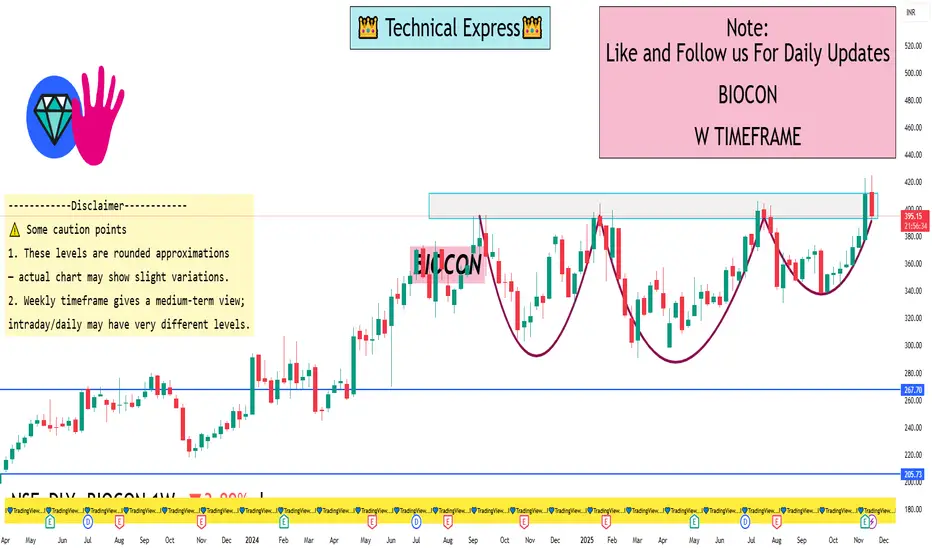
Market Scanners: Tools to identify trade setups based on pre-defined criteria save time and increase efficiency.
News Feeds and Economic Calendars: Real-time news helps traders react to events before the market fully adjusts.
Backtesting Software: Professionals test strategies on historical data to evaluate performance before committing real money.
6. Continuous Learning and Adaptation
Financial markets are dynamic, requiring traders to adapt constantly.
Learning from Past Trades: They maintain trading journals, reviewing winning and losing trades to identify patterns, mistakes, and improvements.
Education: Pro traders invest in courses, mentorship, and seminars to stay updated with new strategies and market trends.
Adapting Strategies: When market conditions change (e.g., low volatility, high inflation, or geopolitical uncertainty), professional traders adjust their strategies to remain profitable.
7. Networking and Market Intelligence
Trading is not only about charts; it’s also about information.
Professional Networks: Pros connect with other traders, analysts, and mentors to exchange ideas and insights.
Market Sentiment Analysis: Understanding crowd psychology and institutional behavior allows professionals to anticipate major market moves.
Information Advantage: Being aware of earnings reports, policy changes, or macroeconomic data before the market reacts can provide an edge.
8. Building Capital and Growing Professionally
Smart trading is also about business growth, not just trading skill.
Compounding Gains: Profits are reinvested systematically, using compounding to grow capital over time.
Scaling Trading Strategies: Successful strategies are scaled gradually to handle larger capital without increasing risk disproportionately.
Diversifying Income Streams: Professionals may expand into multiple markets, asset classes, or even start advisory services.
Brand and Reputation: Long-term success allows pros to manage external funds, run hedge funds, or attract institutional clients.
9. Avoiding Common Pitfalls
Professional traders are aware of mistakes that can destroy accounts.
Overtrading: Trading too frequently or with excessive leverage reduces profitability.
Emotional Biases: Greed, fear, overconfidence, and revenge trading are avoided through discipline and pre-defined rules.
Following the Crowd Blindly: Pros make independent decisions based on data, not hype or rumors.
Ignoring Risk Management: Even a few careless trades without proper stops can offset months of gains.
10. Case Studies of Professional Trading
Examining successful traders provides insight into smart trading practices.
Paul Tudor Jones: Focused on macroeconomic trends and disciplined risk management.
George Soros: Known for his speculative strategies with clear exit plans and risk control.
Ed Seykota: Advocated trend-following and strict discipline in trading systems.
Modern Algo Traders: Use high-frequency algorithms to capture small inefficiencies across multiple markets, showing how technology amplifies traditional strategies.
These examples highlight that consistent success comes from discipline, intelligence, and adaptation rather than luck.
Conclusion
Professional traders succeed by combining knowledge, strategy, psychology, risk management, and technology. They treat trading as a disciplined business, not a gamble, focusing on capital preservation, high-probability setups, and long-term growth. Through continuous learning, adaptation, and networking, they stay ahead in competitive markets. Smart trading is thus a blend of science and art—where skill, patience, and discipline turn opportunities into sustainable profits. By leveraging these practices, traders can steadily grow both their capital and professional stature, building a resilient and profitable trading career.