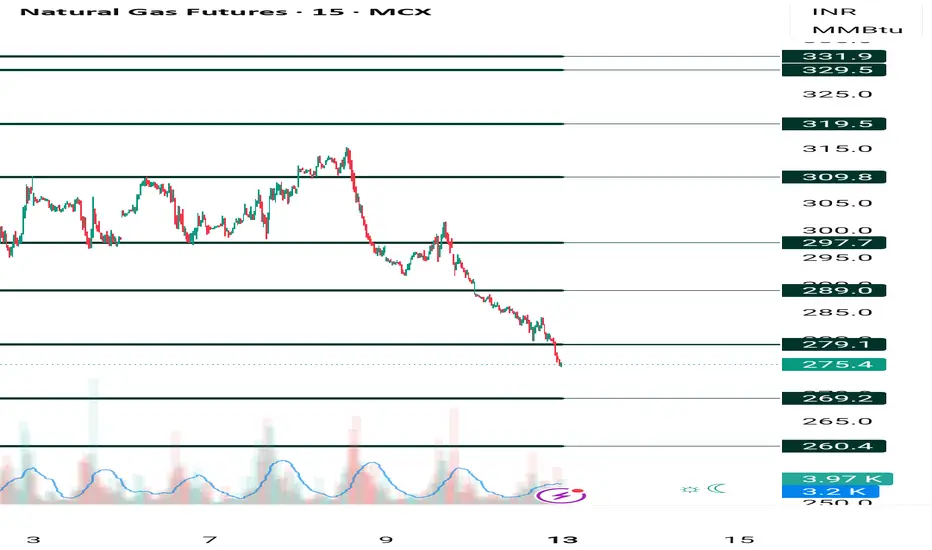
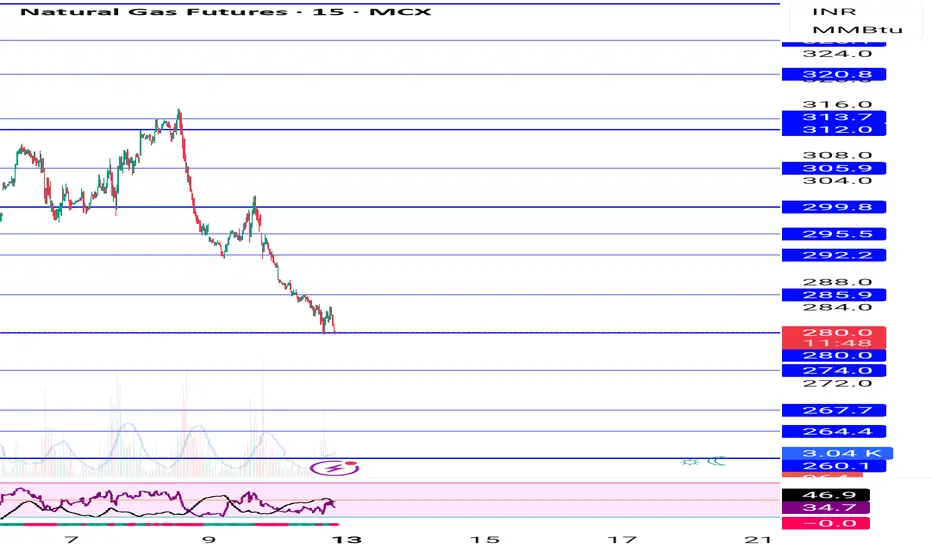
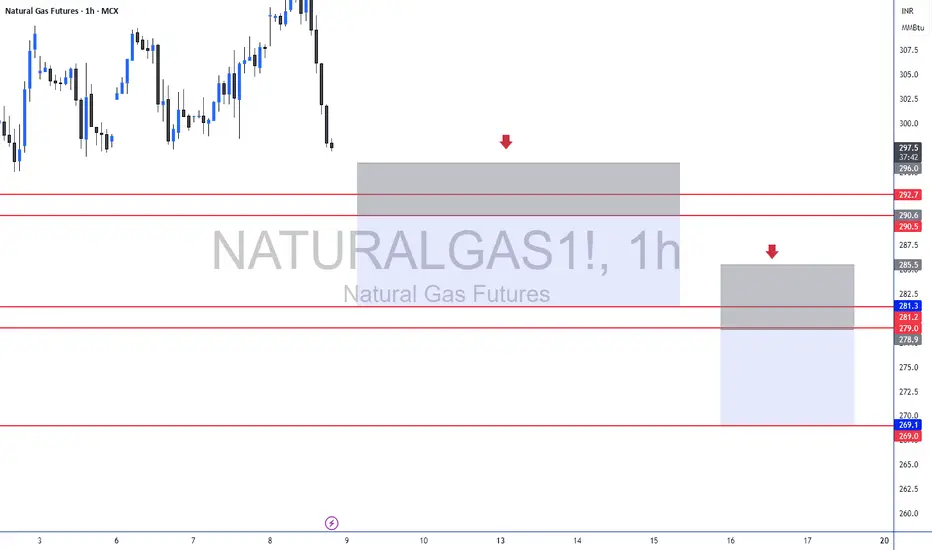
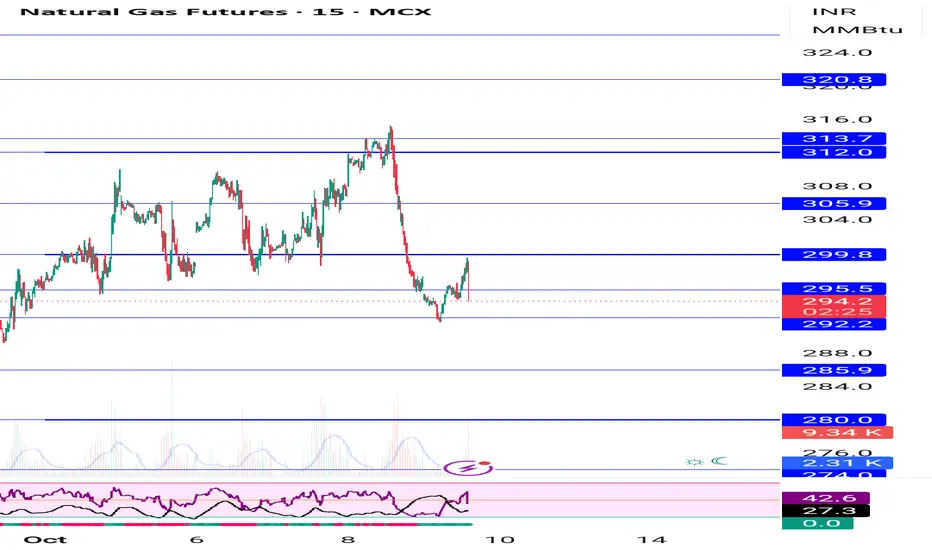
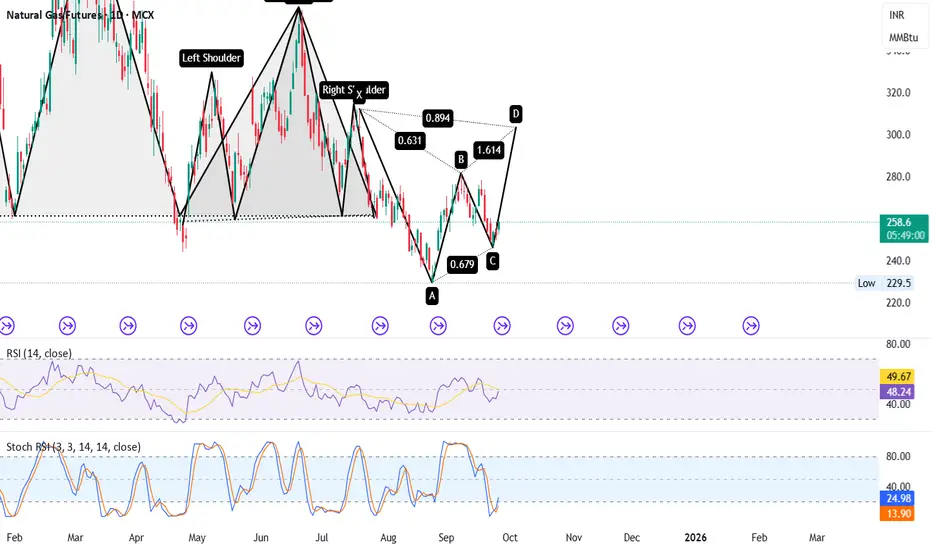
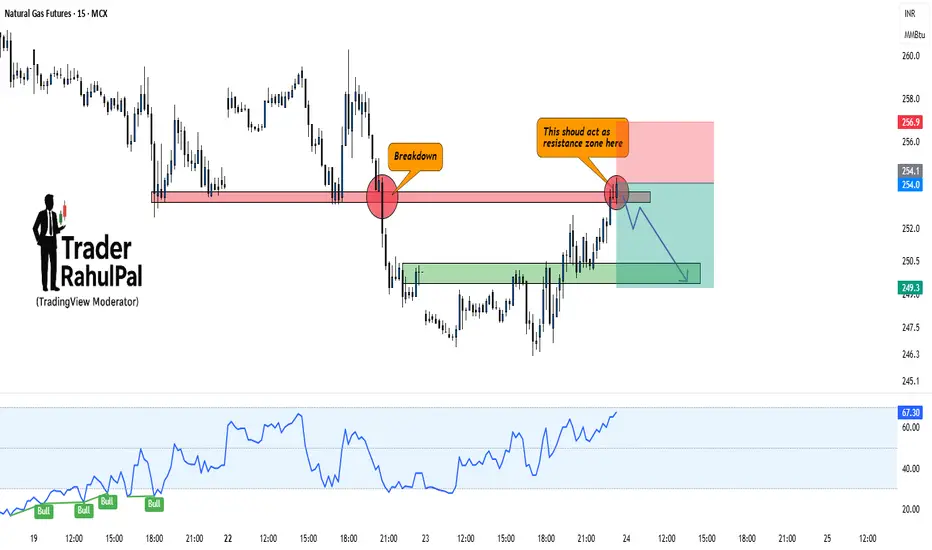
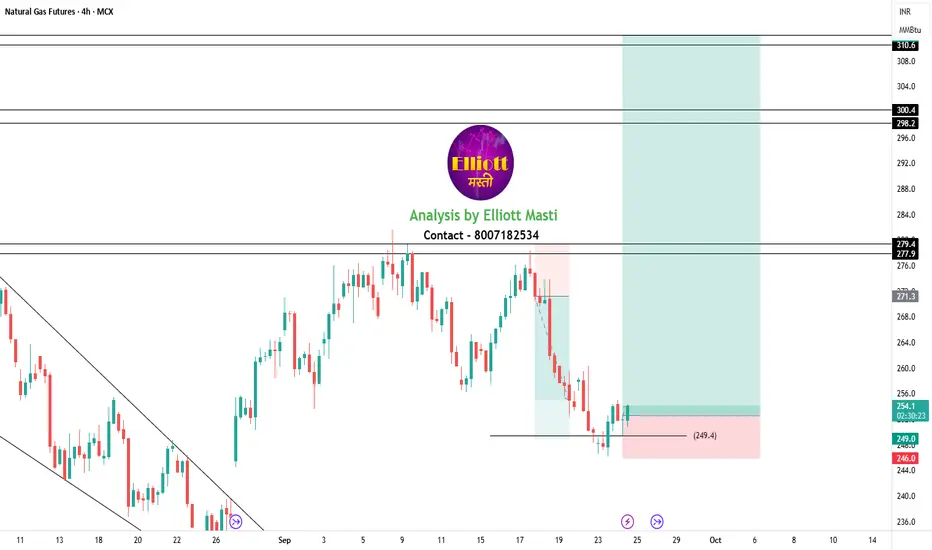
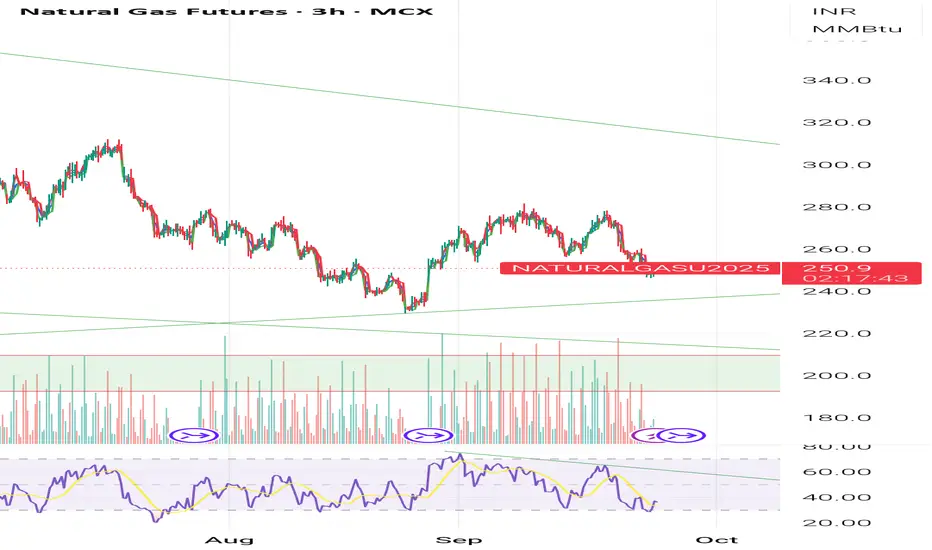
Market insights
Part 1 Support and Resistance 1. Low Capital Requirement
You can control a large position with a small premium.
2. Hedging Risks
Investors hedge portfolios using Puts to protect against market drops.
3. Speculation
Traders predict short-term movements using calls and puts.
4. Income Generation
Sellers earn regular income from premium writing strategies (covered call, short straddle, iron condor, etc.).
5. Flexibility
Options allow bullish, bearish, neutral, and even volatility-based strategies.
Technical Analysis MasteryA Complete Guide to Reading, Timing, and Trading Financial Markets
Technical analysis mastery is the art and science of interpreting market price behavior to make informed trading and investment decisions. Unlike fundamental analysis, which focuses on financial statements, economic indicators, and business performance, technical analysis concentrates on price, volume, and time. The core belief behind technical analysis is that all known information—fundamental, economic, political, and psychological—is already reflected in the market price. By mastering technical analysis, traders aim to identify trends, anticipate reversals, and optimize entry and exit points with greater precision.
Foundations of Technical Analysis
At the heart of technical analysis lie three classical assumptions. First, the market discounts everything, meaning price reflects all available information. Second, prices move in trends, and once a trend is established, it tends to continue rather than reverse abruptly. Third, history tends to repeat itself, as market participants often react in similar ways under similar circumstances due to human psychology. These principles form the philosophical backbone of all technical tools and strategies.
Mastery begins with understanding price charts, as they visually represent market behavior. The most commonly used charts are line charts, bar charts, and candlestick charts. Among these, candlestick charts are widely favored because they convey more information, such as open, high, low, and close prices, along with market sentiment. Each candlestick tells a story about the battle between buyers and sellers within a specific time period.
Trend Analysis and Market Structure
Trend identification is a cornerstone of technical analysis mastery. Trends are broadly classified into uptrends, downtrends, and sideways (range-bound) markets. An uptrend is characterized by higher highs and higher lows, while a downtrend shows lower highs and lower lows. Sideways markets reflect consolidation, where price moves within a defined range.
Understanding market structure—such as swing highs, swing lows, breakouts, and pullbacks—helps traders align with the dominant trend. The famous saying, “The trend is your friend,” emphasizes that trading in the direction of the prevailing trend significantly increases the probability of success. Mastery involves not only spotting trends early but also knowing when a trend is weakening or transitioning into another phase.
Support, Resistance, and Key Price Levels
Support and resistance are among the most powerful and widely used concepts in technical analysis. Support refers to a price level where buying interest is strong enough to prevent further decline, while resistance is a level where selling pressure halts upward movement. These levels often act as psychological barriers due to collective trader behavior.
As traders gain mastery, they learn that support and resistance are not exact lines but zones. Former resistance can become new support after a breakout, and vice versa. Identifying these levels across multiple timeframes adds robustness to analysis and helps in setting realistic targets and stop-loss levels.
Indicators and Oscillators
Technical indicators are mathematical calculations derived from price and volume data. They help traders interpret market conditions more objectively. Indicators generally fall into two categories: trend-following indicators and momentum oscillators.
Trend-following indicators, such as moving averages and the Average Directional Index (ADX), help identify the direction and strength of a trend. Moving averages smooth price data and act as dynamic support or resistance levels. Momentum oscillators, such as the Relative Strength Index (RSI), Stochastic Oscillator, and MACD, help determine whether a market is overbought or oversold.
True mastery does not come from using many indicators but from understanding a few deeply. Overloading charts with indicators often leads to confusion and conflicting signals. Skilled analysts use indicators as confirmation tools rather than primary decision-makers.
Volume Analysis and Market Participation
Volume is the fuel behind price movement. Analyzing volume provides insight into the strength or weakness of a price move. Rising prices accompanied by increasing volume suggest strong buying interest, while price increases on declining volume may indicate a lack of conviction.
Volume analysis also helps in identifying breakout validity, accumulation, and distribution phases. Tools such as volume moving averages, On-Balance Volume (OBV), and Volume Profile enhance a trader’s ability to understand market participation. Mastery involves recognizing when “smart money” is entering or exiting the market.
Chart Patterns and Price Action
Chart patterns represent recurring formations created by price movement over time. Common patterns include head and shoulders, double tops and bottoms, triangles, flags, and wedges. These patterns reflect shifts in supply and demand dynamics and often signal trend continuation or reversal.
Price action trading, a refined form of technical analysis, focuses on raw price behavior without heavy reliance on indicators. Candlestick patterns like doji, engulfing patterns, hammers, and shooting stars offer clues about market sentiment and potential turning points. Mastery in price action requires patience, screen time, and an understanding of context rather than isolated signals.
Risk Management and Trading Psychology
No level of technical analysis mastery is complete without strong risk management. Even the best technical setups can fail. Successful traders focus on probability and consistency, not certainty. This involves defining risk per trade, using stop-loss orders, maintaining favorable risk–reward ratios, and managing position size.
Equally important is trading psychology. Fear, greed, overconfidence, and hesitation can undermine even the most accurate analysis. Master traders develop discipline, emotional control, and the ability to follow a trading plan without deviation. Technical mastery is as much about mindset as it is about charts.
Multi-Timeframe Analysis and Strategy Integration
Advanced technical analysis incorporates multi-timeframe analysis, where traders analyze higher timeframes to identify the primary trend and lower timeframes for precise entries and exits. This approach aligns short-term trades with long-term market direction, improving accuracy.
Technical analysis mastery also involves integrating strategies—such as trend following, breakout trading, mean reversion, and swing trading—based on market conditions. There is no single strategy that works in all environments; adaptability is a hallmark of mastery.
Conclusion
Technical analysis mastery is a continuous learning journey rather than a destination. It combines chart reading, indicator interpretation, pattern recognition, volume analysis, risk management, and psychological discipline into a cohesive skill set. Over time, with consistent practice and reflection, traders develop an intuitive understanding of market behavior.
Ultimately, mastery means simplifying complexity—seeing clarity where others see chaos—and making decisions based on logic, probability, and discipline rather than emotion. In dynamic financial markets, technical analysis mastery empowers traders to navigate uncertainty with confidence and precision.
Pair Trading and Statistical ArbitrageMarket-Neutral Strategies for Consistent Returns
Pair trading and statistical arbitrage are advanced trading strategies that fall under the broader category of quantitative and market-neutral investing. These strategies are widely used by hedge funds, proprietary trading desks, and sophisticated traders who aim to generate consistent returns regardless of overall market direction. Rather than predicting whether markets will rise or fall, pair trading and statistical arbitrage focus on relative price movements, mean reversion, and statistical relationships between financial instruments. Understanding these strategies provides valuable insight into how professional traders exploit inefficiencies in financial markets.
Understanding Pair Trading
Pair trading is a market-neutral strategy that involves taking two opposite positions in highly correlated securities—one long (buy) and one short (sell). The core assumption behind pair trading is mean reversion, which suggests that the historical relationship between two similar assets will eventually return to its long-term average if it temporarily diverges.
For example, consider two companies in the same industry, such as two large private banks or two IT service firms. Because their businesses, revenue drivers, and market exposures are similar, their stock prices tend to move together over time. If one stock becomes relatively overpriced compared to the other due to short-term news, sentiment, or temporary demand-supply imbalance, a trader may short the overpriced stock and go long on the underpriced one. When the price spread between the two converges back to normal, profits are realized.
One of the key strengths of pair trading is its reduced exposure to overall market risk. Since the trader is both long and short, gains depend mainly on the relative performance of the two assets rather than on whether the market is bullish or bearish. This makes pair trading particularly attractive during volatile or sideways markets.
Key Components of Pair Trading
The success of pair trading depends on several critical elements. First is pair selection. Traders typically use correlation analysis, cointegration tests, or fundamental similarity to identify suitable pairs. High correlation alone is not enough; the relationship must be stable over time.
Second is spread calculation, which measures the price difference or ratio between the two assets. Traders define statistical boundaries, such as standard deviations from the mean, to determine entry and exit points.
Third is risk management. Even historically strong relationships can break down due to structural changes like mergers, regulatory shifts, or business model disruptions. Stop-loss rules and position sizing are essential to control losses when mean reversion fails.
Introduction to Statistical Arbitrage
Statistical arbitrage (often called stat arb) is an extension and generalization of pair trading. While pair trading focuses on two assets, statistical arbitrage involves large portfolios of securities, sophisticated mathematical models, and automated execution systems. The objective is to exploit small, temporary pricing inefficiencies across many instruments simultaneously.
Statistical arbitrage strategies rely heavily on historical data, probability theory, and statistical modeling. Instead of relying on intuition or discretionary analysis, these strategies identify patterns, anomalies, or predictable behaviors in asset prices. Trades are often held for short periods—ranging from seconds to days—and executed at high frequency.
Unlike traditional arbitrage, which seeks risk-free profits, statistical arbitrage accepts controlled statistical risk, assuming that profits will emerge over a large number of trades due to the law of large numbers.
Core Principles Behind Statistical Arbitrage
At the heart of statistical arbitrage lies the concept of mean reversion and factor modeling. Securities are grouped based on common risk factors such as industry, market capitalization, valuation metrics, or momentum characteristics. When a security deviates significantly from what the model predicts, the strategy takes a position expecting reversion.
Another critical principle is diversification across trades. Individual trades may fail, but the portfolio as a whole is designed to generate positive expected returns. This is why statistical arbitrage strategies often involve hundreds or thousands of positions at once.
Technology plays a crucial role in stat arb. Advanced algorithms, machine learning models, and powerful computing infrastructure are used to process massive datasets, generate signals, manage risk, and execute trades efficiently.
Pair Trading vs. Statistical Arbitrage
While pair trading and statistical arbitrage share common foundations, they differ in scope and complexity. Pair trading is simpler, more transparent, and often suitable for individual traders or small funds. It typically involves longer holding periods and fewer instruments.
Statistical arbitrage, on the other hand, is more complex and capital-intensive. It requires deep quantitative expertise, robust data pipelines, and automated systems. The holding periods are usually shorter, and transaction costs play a more significant role.
Despite these differences, both strategies aim to neutralize market risk and profit from relative mispricing, making them valuable tools in uncertain market environments.
Advantages of These Strategies
One major advantage of pair trading and statistical arbitrage is market neutrality. Since exposure to broad market movements is limited, these strategies can perform well even during market downturns or high volatility.
Another advantage is consistency. Rather than relying on big directional moves, profits are generated from frequent, smaller price corrections. This can lead to smoother equity curves when executed properly.
These strategies also encourage discipline and data-driven decision-making, reducing emotional bias and impulsive trading—common pitfalls for many traders.
Risks and Limitations
Despite their appeal, pair trading and statistical arbitrage are not risk-free. One major risk is model breakdown. Historical relationships may change due to structural shifts in the economy, industry disruptions, or changes in regulation.
Another challenge is execution risk and transaction costs. Since these strategies often involve frequent trading, slippage, commissions, and liquidity constraints can significantly impact profitability.
Crowding risk is also important. When too many participants use similar models, opportunities diminish, and sudden unwinds can lead to sharp losses.
Conclusion
Pair trading and statistical arbitrage represent a sophisticated approach to trading that emphasizes relative value, statistical analysis, and risk neutrality. Pair trading offers a practical entry point for traders interested in quantitative strategies, while statistical arbitrage represents a highly advanced evolution suited to professional environments. Both strategies highlight an important truth about modern financial markets: profits do not always come from predicting direction, but from understanding relationships, probabilities, and inefficiencies. When combined with robust risk management and disciplined execution, pair trading and statistical arbitrage can be powerful tools for generating consistent, long-term returns.
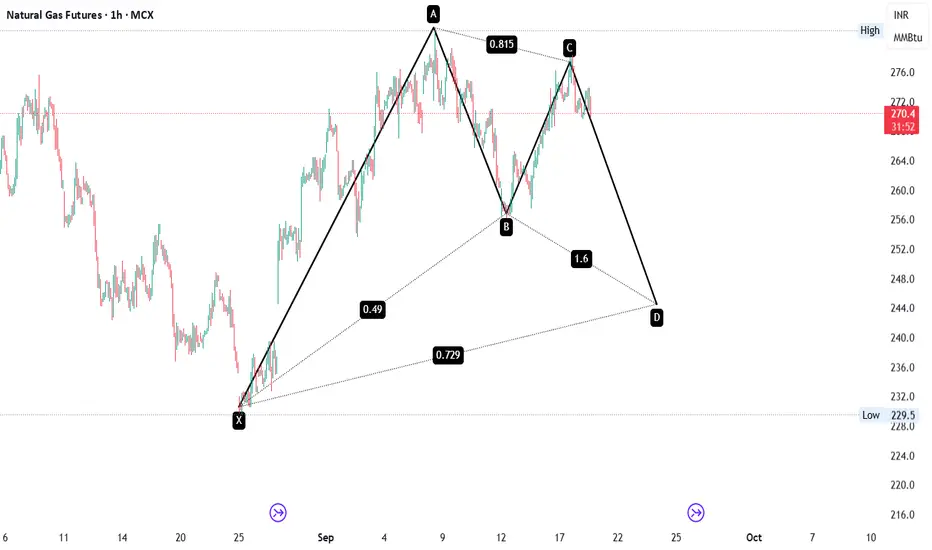
Natural Gas : Bullish with the key level 2.600Earlier I posted but it this post I changed the count of motive waves instead of impulse wave!
i:e: taking this whole upside move as an expanding diagonal structure
which suggest wave 3 of higher degree can take the prices up to 6.500
key level for this scenario is 2.600
Part 2 Support and Resistance How Option Prices Move (Option Greeks)
Option prices do not move exactly like stock prices. They depend on multiple factors called "Greeks". These help traders understand risk and movement.
1. Delta
Shows how much the option price changes with a ₹1 move in the underlying asset.
2. Theta
Measures time decay.
As expiry nears, options lose value quickly, especially OTM options.
3. Vega
Shows how changes in volatility affect option prices.
High volatility → higher premiums.
4. Gamma
Measures the rate of change of Delta.
It becomes powerful near expiry.
Divergence Secrets Intrinsic Value and Time Value
An option premium has two parts:
Intrinsic Value
The actual profit you would make if option were exercised now.
Time Value
Extra value based on:
Time left to expiration
Volatility
Market expectations
As expiry gets closer, time value decays—this is why options depreciate faster near expiry.
Regulatory Changes Explained in the Trading MarketIntroduction: The Role of Regulation in Financial Markets
Financial markets play a critical role in economic growth by enabling capital formation, price discovery, and risk management. However, without proper regulation, markets can become vulnerable to manipulation, excessive speculation, systemic risk, and investor exploitation. Regulatory changes in the trading market are therefore essential to ensure transparency, fairness, stability, and investor protection. Over time, regulators continuously update rules to adapt to technological advancements, evolving market structures, global financial crises, and emerging asset classes such as derivatives, cryptocurrencies, and algorithmic trading.
Objectives of Regulatory Changes in Trading Markets
The primary objective of regulatory changes is to maintain market integrity. Regulators aim to prevent fraud, insider trading, market manipulation, and unfair trading practices. Another key goal is investor protection, especially for retail investors who may lack sophisticated knowledge. Regulations also promote financial stability by controlling leverage, margin requirements, and systemic risk. In addition, regulatory reforms support orderly market development by encouraging innovation while managing associated risks.
Evolution of Trading Market Regulations
Trading regulations have evolved significantly over the decades. Earlier, markets were largely manual and localized, requiring minimal oversight. With the digitization of exchanges, online trading platforms, and global capital flows, the complexity of markets increased. Events such as the 2008 Global Financial Crisis exposed regulatory gaps, leading to major reforms worldwide. In India, institutions like SEBI (Securities and Exchange Board of India) continuously revise frameworks to align with global best practices while addressing domestic market needs.
Regulatory Changes in Equity Trading
Equity markets have seen several important regulatory changes. These include stricter disclosure requirements for listed companies, improved corporate governance norms, and enhanced surveillance mechanisms. Measures such as circuit breakers, price bands, and real-time monitoring systems help control extreme volatility. Regulations related to insider trading have become more stringent, with clear definitions of unpublished price-sensitive information (UPSI) and heavy penalties for violations. These changes have increased investor confidence and market transparency.
Impact of Regulations on Derivatives Trading
Derivatives trading carries higher risk due to leverage, making regulation particularly important. Regulatory changes have focused on margin requirements, position limits, and eligibility criteria for participants. Regulators periodically revise contract specifications, expiry rules, and risk management frameworks. In India, SEBI has introduced peak margin norms and tightened leverage rules to reduce excessive speculation and protect retail traders from large losses. While these changes may reduce short-term trading volumes, they enhance long-term market stability.
Regulatory Framework for Algorithmic and High-Frequency Trading
With the rise of algorithmic and high-frequency trading (HFT), regulators have introduced new controls to prevent market abuse. These include mandatory approvals for trading algorithms, audit trails, and system checks. Regulations ensure that automated strategies do not create unfair advantages or destabilize markets through flash crashes. Risk controls such as order-to-trade ratios, latency monitoring, and kill switches help maintain orderly trading conditions.
Changes in Risk Management and Margin Systems
Risk management regulations have become stricter to prevent systemic failures. One significant regulatory change is the introduction of dynamic margin systems, such as Value at Risk (VaR) margins and extreme loss margins. In recent years, peak margin reporting has been implemented to ensure traders maintain adequate funds throughout the trading session. These measures reduce the chances of broker defaults and cascading market failures, especially during periods of high volatility.
Regulatory Changes in Currency and Commodity Markets
Currency and commodity trading markets are also subject to evolving regulations. Position limits, trading hours, and contract specifications are periodically revised to reflect market conditions. Regulators aim to curb excessive speculation while ensuring genuine hedgers can manage price risk effectively. In commodity markets, warehouse accreditation, quality standards, and delivery mechanisms are closely monitored to maintain trust and efficiency.
Role of Technology and Compliance Automation
Modern regulatory changes increasingly rely on technology-driven compliance. Exchanges and brokers are required to implement advanced surveillance systems, automated reporting tools, and real-time risk monitoring. Regulatory technology (RegTech) helps institutions comply efficiently while reducing operational risks. This shift reflects the growing importance of data accuracy, cybersecurity, and system resilience in modern trading environments.
Global Regulatory Coordination and Cross-Border Trading
As trading markets become more globalized, regulatory coordination across countries has gained importance. International standards set by organizations such as IOSCO influence domestic regulations. Changes in global rules related to capital adequacy, derivatives clearing, and reporting requirements directly affect cross-border trading. Harmonized regulations help reduce regulatory arbitrage and improve global financial stability.
Challenges and Criticism of Regulatory Changes
While regulatory changes bring stability, they also face criticism. Frequent rule changes can increase compliance costs for brokers and traders. Stricter norms may reduce liquidity and short-term trading opportunities. Some market participants argue that excessive regulation can stifle innovation. Therefore, regulators must balance investor protection with market efficiency and growth.
Impact on Traders and Investors
For traders, regulatory changes require constant adaptation. Margin rules, position limits, and trading restrictions directly influence strategies and risk management. Long-term investors generally benefit from improved transparency and governance. Retail traders, in particular, gain protection from unfair practices, though they must adjust to reduced leverage and stricter compliance requirements.
Conclusion: The Future of Trading Market Regulations
Regulatory changes in the trading market are an ongoing and necessary process. As markets evolve with new technologies, products, and participants, regulations must adapt to address emerging risks while supporting innovation. Effective regulation enhances market confidence, protects investors, and ensures long-term stability. For traders and investors, understanding regulatory changes is not optional but essential for sustainable participation in modern financial markets.
Real Knowledge of Candle Patterns CANDLESTICK PATTERNS (Price Action Signals)
Candlesticks reflect short-term price behavior and trader psychology. Each candle shows:
Open
High
Low
Close
Patterns range from single candle to multi-candle structures.
Candlestick patterns show reversal, continuation, or indecision in the market.
Let’s explore major categories.
Part 9 Trading Master Class1. Call Options
A call option gives the holder the right to buy an asset at a fixed strike price before expiry.
Call buyers profit when prices rise.
For example, if a stock is ₹1,000 and you buy a call with a strike of ₹1,050, expecting prices to climb.
If at expiry the price exceeds ₹1,050, the call becomes profitable.
2. Put Options
A put option gives the holder the right to sell an asset at a fixed strike price before expiry.
Put buyers profit when prices fall.
Example: A stock trading at ₹1,000, you buy a put at ₹950 expecting decline.
If the stock falls below ₹950, the put becomes valuable.
Call = bullish
Put = bearish
Chart Patterns What Are Chart Patterns?
Chart patterns are recognizable formations created by price movements on a chart. They develop over time and help traders identify trends, reversals, or continuation of trends. Chart patterns are usually formed by support and resistance levels, trendlines, and consolidation phases.
Types of Chart Patterns
Chart patterns are broadly classified into:
Reversal Patterns
Continuation Patterns
Bilateral (Neutral) Patterns
Part 1 Candle Stick Patterns Understanding What Option Trading Profits Mean
Option trading profits refer to the financial gains a trader earns by buying or selling options contracts.
These profits arise from correctly predicting price movement in the market.
Options are leveraged instruments, so small price moves can generate large returns.
Profit is calculated based on premium difference, time decay, volatility changes, and strike-to-spot movement.
Part 11 Trading Master ClassRole of Time and Volatility
Two critical forces dominate option trading:
Time Decay (Theta):
As expiry approaches, the time value of an option erodes. Option sellers often benefit from this decay, especially in sideways markets.
Implied Volatility (IV):
IV reflects market expectations of future price movement. High IV means expensive options; low IV means cheaper options. Buying options in low IV and selling in high IV is a common professional approach.
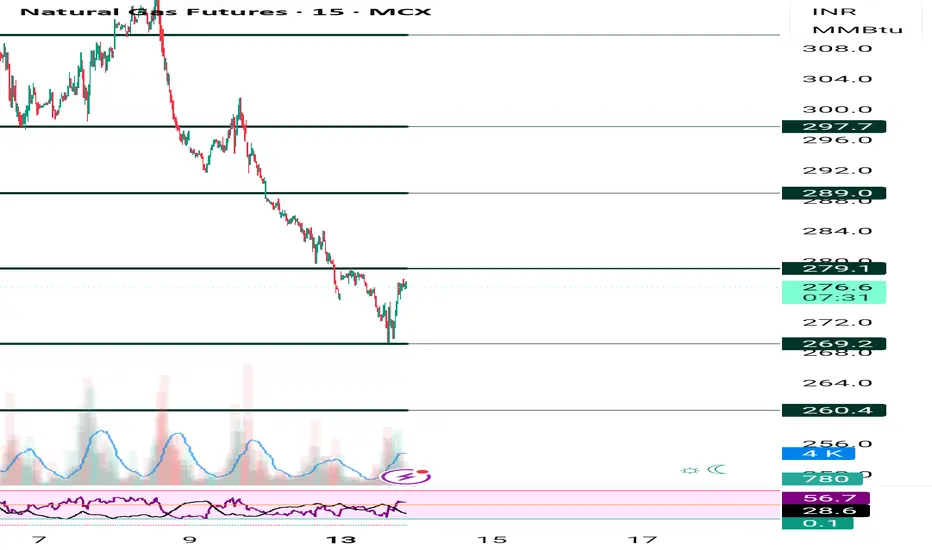
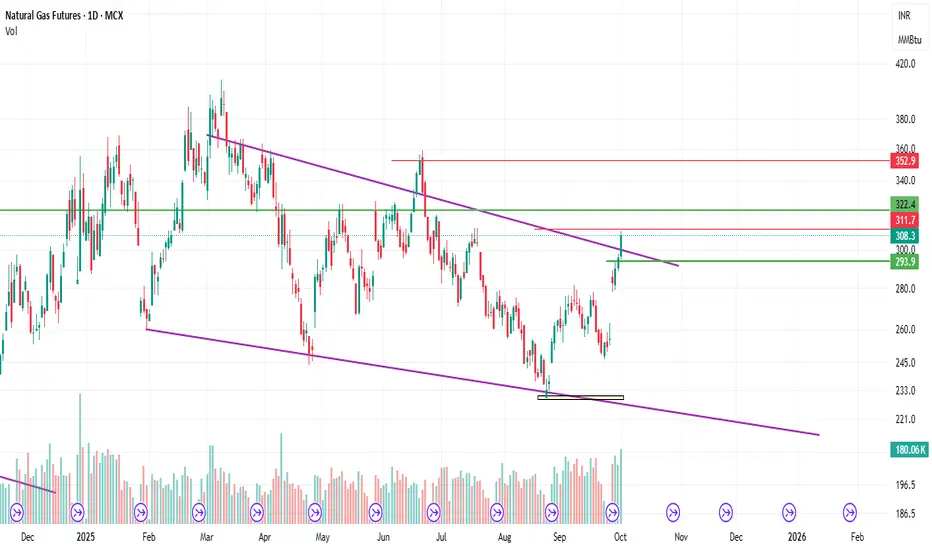
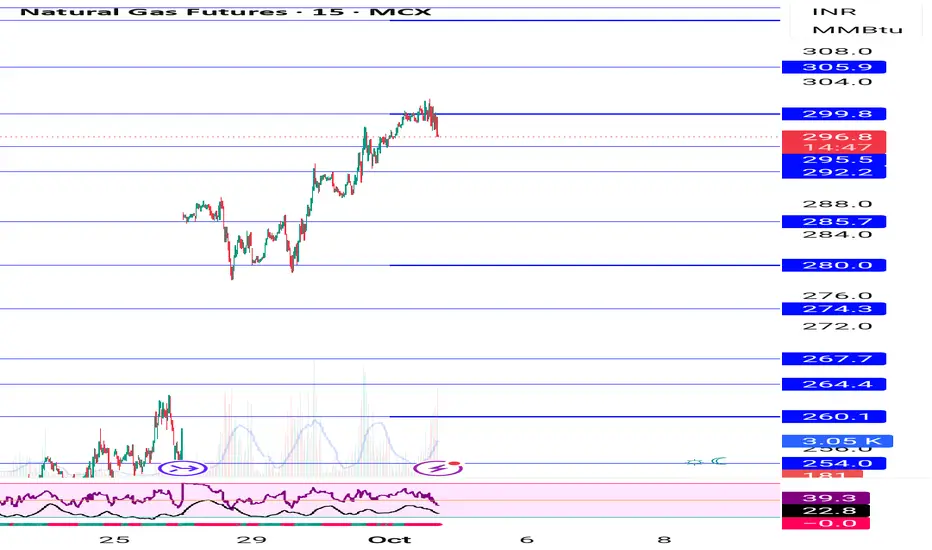
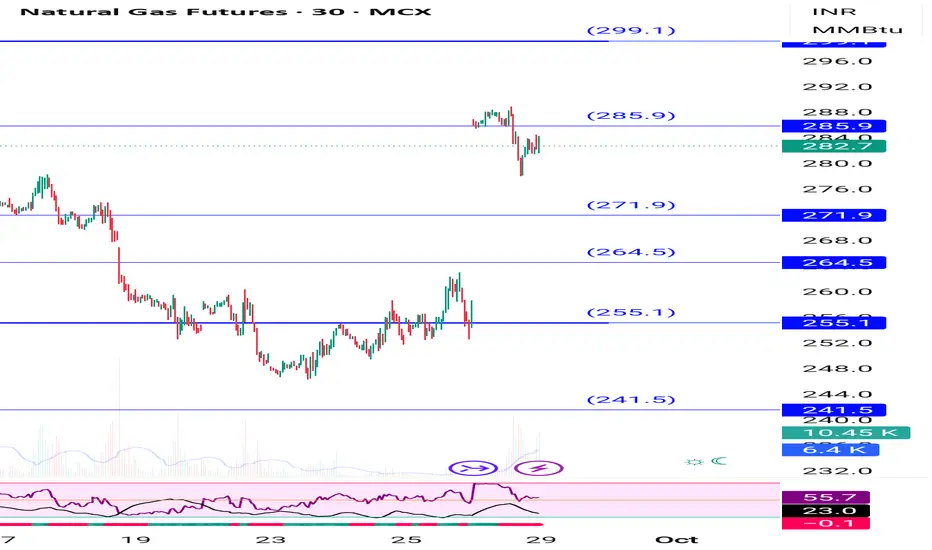
mcx natural gas brekaout updatemcx natural gas drag down 350 near@ after made high 490@ now some possibilities here on chart--
natural gas breakout point as per chart expert 365@ if sustain abv or close above than expect 385--400--430 after break out will see rock hard buy
if break structure 350@ than again dwn side 330--320 expect here
Part 8 Trading Master Class Rewards of Option Trading
Despite risks, options offer compelling advantages:
a) Limited Risk (for Buyers)
Option buyers know their maximum loss upfront—the premium paid.
b) High Return Potential
Small price movements in the underlying can result in substantial percentage gains.
c) Income Generation
Option sellers can generate consistent income through strategies like covered calls and iron condors.
d) Flexibility
Options allow traders to profit in bullish, bearish, or range-bound markets.
e) Capital Efficiency
Options require lower capital compared to buying underlying assets outright.
Real Kowledge of Chart Pattern Key Principles for Chart Pattern Analysis
A. Trend Context
Patterns are more reliable when analyzed in the context of prevailing trends. For instance, reversal patterns in strong trends may fail without sufficient volume confirmation.
B. Volume Confirmation
Volume often provides confirmation for patterns:
Breakouts with high volume are more reliable.
Low volume breakouts can indicate false signals.
C. Time Frame
Patterns may appear differently across time frames. For example, a double top on a daily chart is more significant than one on a 5-minute chart due to higher trading participation and reduced noise.
D. Pattern Failure
Not all patterns result in expected outcomes. False breakouts or trend reversals can occur due to market news, unexpected events, or low liquidity. Risk management, stop-losses, and position sizing are crucial.
Natural Gas Analysis in Daily TFNatural Gas completed in Leading Diagonal Pattern wave 1 cycle degree completed now in correction phase so don't go long immediately wait up to fib retrace 61.8% and wave ((4)) sweep then go long target Cycle degree wave 1 and 2 extension of 161.8 level may be reach in 2026 or 2027
natural gas crucial update after new high natural gas given corrective mode from high---now 2 scan possible here
1---ist buying range expect 432--415 as per chart structure looking good where can be again up side 452--470--490++ strong support looks 395@--390
2---- only if break 388 or close blw than trend change expect or chart structure will change or dwn side expect 370--355-335+++
over all dips on buy looks good way with support sl as per chart structure now let see coming days
Pro Option Trading System1. Market Framework: Understanding Structure Before Strategy
Professionals never start with signals. They begin with market classification, because options behave differently under different environments.
A pro system starts by identifying:
Trend environment
Uptrend: bullish spreads, naked puts, call credit hedges
Downtrend: put spreads, call credit spreads, bear diagonals
Sideways: iron condors, straddles, neutral calendars
Volatility regime
High IV: Sell options (credit spreads, strangles, condors)
Low IV: Buy options (debit spreads, long straddle, diagonals)
Event environment
Earnings
Fed meetings
Budget
Results season
Professional systems follow the principle:
“Environment dictates strategy.”
2. Strategy Module – Having a Playbook of Setups
A pro system has 4–6 core strategies only, each with exact rules. Too many strategies = confusion. Too few = inflexibility.
A professional options playbook includes:
1. Trend-Following Trades
Bullish: Bull call spread, naked put, diagonal
Bearish: Bear put spread, call credit spread, bearish diagonal
These setups use direction + momentum.
2. Mean-Reversion Trades
Iron condor on range-bound stocks
Credit spreads outside expected range
Short straddles/strangles in high IV
Mean-reversion systems depend heavily on statistical edge, not just price action.
3. Volatility Systems
Buy low IV (long straddle/strangle) before big event
Sell high IV (iron condor, strangle) after IV spike
Calendars for IV mispricing
Professional traders rely more on volatility edge than directional prediction.
4. Income/Multi-week systems
Weekly credit spreads
Monthly condors
Theta-harvesting diagonals
These strategies produce consistent, non-directional income.
3. Entry Criteria – Exact Rules, Not Guesswork
Professionals do not enter trades based on gut feeling. They use mechanical entry rules, such as:
Directional Entry Rules
Trend confirmed on higher time frame
Price above 20/50 EMA (bullish) or below (bearish)
RSI > 55 for bullish, < 45 for bearish
IV low for debit spreads, IV high for credit spreads
Non-Directional Entry Rules
IV Rank > 50 for selling options
Expected move calculated: Sell outside 1.5× expected move
Underlying has stable sideways structure
Liquidity > 500k volume + tight option spreads
Volatility Entry Rules
Enter long volatility when IVR < 20
Enter short volatility when IVR > 60
Avoid selling options before major announcements
The edge comes from mathematical consistency, not prediction.
4. Position Sizing – The Real Key to Survival
Professionals use strict money-management models.
Retailers blow up because they over-leverage.
Safe professional sizing models:
1. Fixed Fraction Model
Max 1–3% of total capital per trade
Max 10% reserved for high-risk trades (events)
2. Volatility-Weighted Sizing
Higher IV → smaller size
Lower IV → bigger size
3. Spread-Adjusted Sizing
Wider spreads = smaller position
Tighter spreads = larger size
4. Portfolio Allocation System
A pro trader allocates capital across:
Directional trades – 20%
Non-directional income – 40%
Event/volatility plays – 20%
Hedges – 20%
This diversification is why pros survive major market crashes.
5. Risk Management Rules – The Heart of a Pro System
Retail traders think winning makes you pro.
Professionals know not losing makes you superior.
Core Risk Rules:
Never let a credit spread go beyond 2× credit received
Never risk more than 5% portfolio per idea
Exit when 50–70% profit is reached (don’t aim for 100%)
Roll or adjust only when rules allow, not emotionally
No naked positions unless fully capitalized
Stop-Loss Rules
Directional debit spreads → stop loss at 40–50%
Credit spreads → exit at 2× credit
Straddles → delta imbalance breach triggers adjustment
Hedging Rules
Pros hedge systematically:
Short call hedge for longs
Long put hedge for naked puts
VIX call hedge during uncertain environment
Risk isn’t avoided—it’s engineered.
6. Adjustment Module – What Pros Do When Market Turns
Retail traders panic.
Professional systems have pre-defined adjustment triggers.
Directional Adjustment
If price breaks trend:
Roll spread up/down
Convert single options into spreads
Move to diagonal to reduce theta decay
Credit Spread Adjustment
If underlying moves toward strike:
Roll out (more time)
Roll up/down (change strike)
Convert to iron condor (add opposite side)
Straddle/Strangle Adjustment
Adjust when:
One side delta > 0.25
Underlying hits outer expected range
Professional systems aim for minimizing loss, not forcing winners.
7. Exit Module – Rules to Lock Profit and Control Loss
Professionals have zero emotional exits.
Profit Exit Rules
Credit spreads: exit at 50–60% profit
Iron condors: exit at 30–40% profit
Debit spreads: exit at 60–80% profit
Straddles: exit at IV crush or 25–30% profit
Calendars: exit near max positive theta
Time-Based Exits
Never hold weekly spreads into expiry
Close positions 1–2 days before major news
Close credit spreads 5–7 days before expiry
Close debit spreads near IV spike
Time-based exits prevent catastrophic losses.
8. Psychology: The Real Edge of a Professional System
A pro system succeeds only if trader psychology matches discipline.
Pro psychological rules:
No revenge trades
No doubling down after losses
No chasing IV spikes
Avoid FOMO positions
Trade only when setup appears
Pros behave like machines.
Emotionless execution = consistent returns.
9. Backtesting & Forward Testing – The Professional’s Secret Weapon
Professional traders rely heavily on:
Historical backtesting (5–10 years)
Forward testing (paper trading 1–2 months)
Statistical validation (win rate, risk-per-trade, expectancy)
Volatility simulation models
Retail traders often skip this step—but systems are born from testing, not imagination.
Important Testing Metrics
Win rate
Average return / risk
Max drawdown
Expected move hit ratio
IVR impact analysis
A professional system never goes live without data.
10. A Realistic Example of a Simple Pro-Level System
Here is a combined framework:
System: Trend + Volatility Edge Credit Spread System
Entry Conditions
Trend confirmed on daily chart (above 20/50 EMA)
IVR > 50
ATR stable
Liquidity high
Strategy
Sell bull put spread in uptrend
Sell bear call spread in downtrend
Sell iron condor in sideways trend
Sizing & Risk
Max 2% risk per trade
Exit at 50% profit
Stop at 2× credit received
Adjustments
Roll out if breach within 5% of short strike
Convert into iron condor if volatility drops
Exit
Close 7 days before expiry
Time stop after 12 trading days
A simple system like this can generate consistent returns if traded with discipline.
Conclusion – What Makes a System Truly Professional
A Pro Option Trading System is not magic—it is a disciplined, quantifiable, repeatable framework that removes emotions and adds structure. It blends:
Market classification
Strategy modules
Strict entry/exit rules
Risk management
Adjustments
Psychological control
Backtesting data